
Reviewed · ETOSHA SAFARI TOURS
Etosha National Park: Himba Village Cultural Tour
The most memorable part of this outing is the chance to see Himba daily life beyond an Etosha game drive. About 40 km from the park’s Anderson Gate, you visit a traditional village with mud huts, cattle kraals, open courtyards, handmade goods, and a guide who helps explain what you are seeing.
I like two things here. First, the small group limit of six should make it easier to ask clear questions. Second, your spending can support the village directly, especially if you buy jewelry, pottery, weaving, or other handmade goods. The main concern is the unclear timing and entrance fee: the published price is $64, but one booking account says a 300 NAD village fee was extra, while the activity details say entrance is included.
Key points to know
- About 40 km from Anderson Gate: This visit works only from Etosha’s southern entrance.
- Small groups of up to six: You get more room for questions and conversation.
- Himba customs explained locally: Expect discussion of cattle, family, marriage, spirituality, crafts, and beauty rituals.
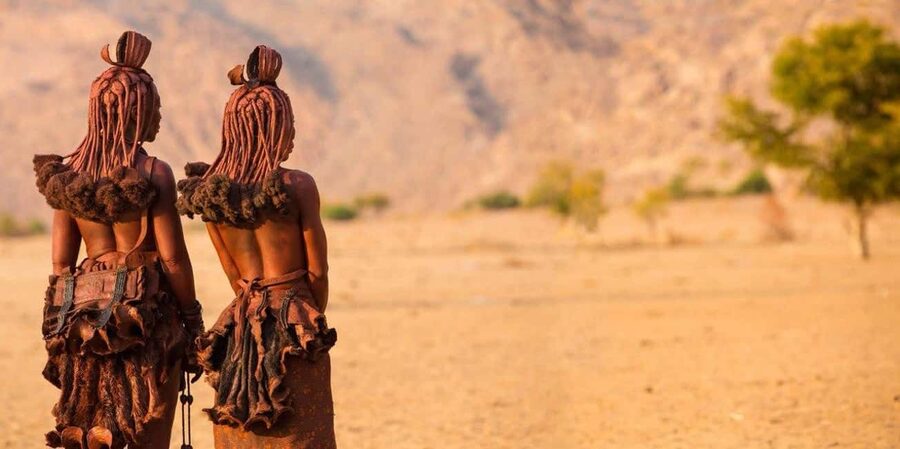
- Red ochre and butter beauty practice: The distinctive red color in women’s hair and skin is part of Himba cultural identity.
- Possible dance and craft demonstrations: These depend on the season and village schedule.
- Bring water and sun protection: Walking takes place outdoors, and meals and drinks are not provided.
A Himba village visit beside Etosha
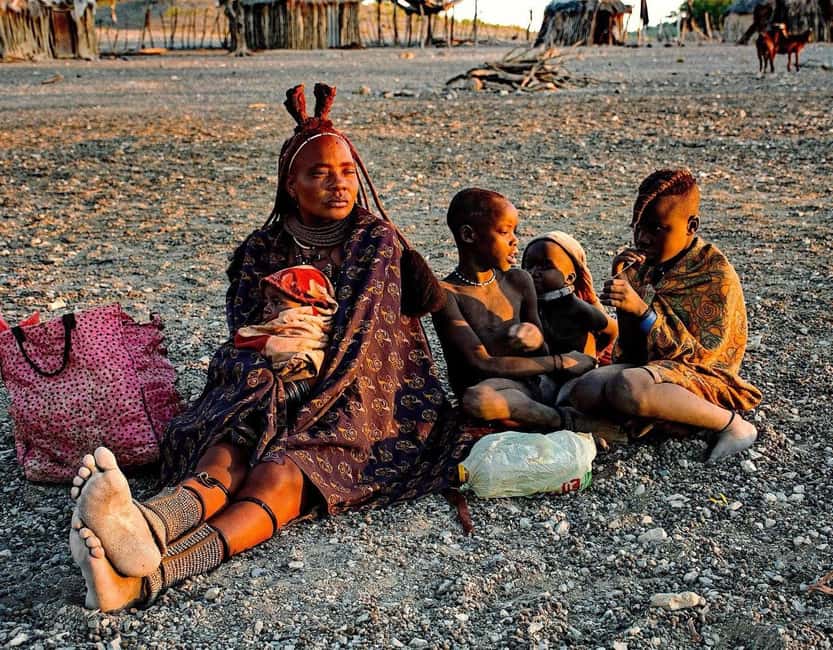
Etosha is famous for wildlife, but a visit to Namibia’s north is not only about animals at water holes. This outing gives you a look at one of the country’s best-known cultural groups, the Himba, whose traditional life is closely linked to cattle, family, land, and spiritual practice.
You are not entering a museum display. You walk through a living village with traditional mud huts, open gathering spaces, and cattle kraals. The guide explains how these parts fit together and helps you understand details that would otherwise be easy to miss.
That context matters. Without a local explanation, you might see red ochre in the hair, layered jewelry, or a cattle enclosure and simply treat them as striking photo subjects. The guide can connect those details to Himba identity, social customs, marriage, belief, and everyday work.
The experience is also brief enough to fit into a wider Etosha plan. It is not a full-day cultural program, and it does not replace time in the park. Instead, it works as a compact add-on from the southern entrance.
More Etosha Safari Tours in Etosha and the North
- Etosha National Park: Full or Half-Day Game Drive
★ 4.6 · 175 reviews - ETOSHA PARK SAFARI with local guides in 9-seater 4x4s
★ 5.0 · 87 reviews - Safari in Etosha national park with professional tour guides born in Etosha.
★ 5.0 · 32 reviews
Leaving Anderson Gate for the village
The meeting point is Anderson Gate, Etosha’s southern entrance, or a lodge up to 30 km outside the gate. This restriction is important. If your accommodation is on another side of the park, you cannot simply join the tour from there.
Transport is provided in a jeep or SUV. The published schedule lists about 1.5 hours for the vehicle portion, then a village visit, with the full activity described elsewhere as 150 minutes. Those figures do not line up neatly, especially since the village portion is also described as lasting about two hours.
One booking account described the transfer as roughly 30 minutes each way. I would confirm the exact pickup time, driving duration, and time in the village before paying. This is not a minor point if you have a game drive, lodge meal, or park exit planned for the same day.
The ride itself is practical rather than a featured sightseeing stop. You are being taken from Etosha to the community and back. Wear comfortable shoes, keep water close, and use sunscreen before leaving the vehicle.
Seeing the village from the inside
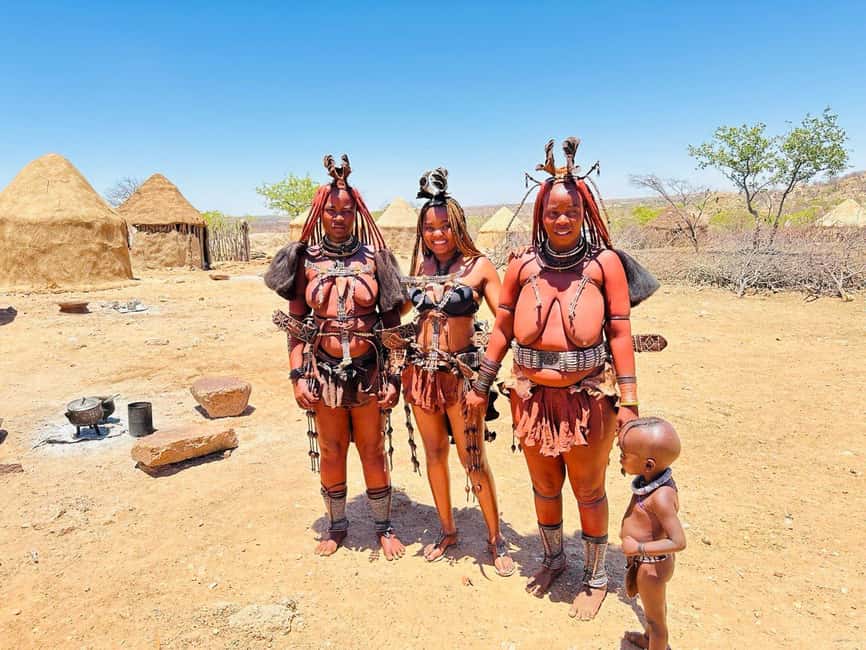
At the village, the guide takes you through the main areas and explains how they are used. You can expect traditional mud huts, open courtyards, cattle kraals, and central meeting spaces.
The huts are not just photogenic structures. They help show how the village is arranged and how family life takes place around shared spaces. Cattle are also central, so the kraals provide an important clue to the economic and social role of livestock.
The tour covers animal husbandry, agriculture, craftsmanship, and family bonds. It also addresses the Himba social structure and their close relationship with the land. These subjects give the visit more substance than a quick walk past huts and costumes.
You should ask questions as you go. A small group makes this easier, and one French booking account specifically praised the guide for being attentive and available to answer questions. No guide names are provided, so you should not expect to request a particular guide in advance.
Understanding Himba rituals and family customs
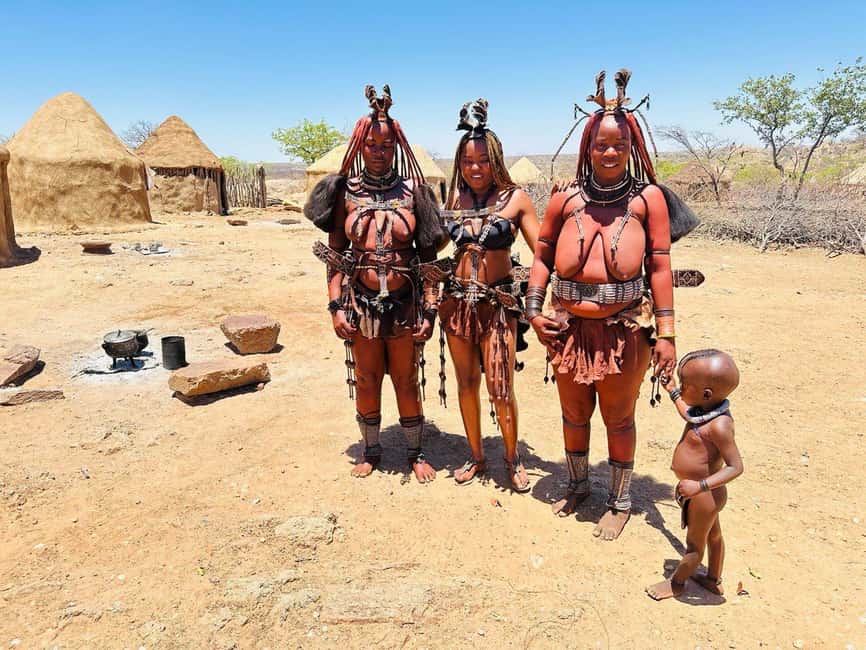
The guide discusses Himba spiritual practices, marriage customs, and family life. The exact depth of the conversation will depend on the guide and on what the community chooses to share that day.
Cattle are a recurring theme because they are tied to work, household life, and communal bonds. Agriculture and handcrafts also help explain how the village functions beyond what you see in a short visit.
The Himba beauty ritual is likely to be one of the most discussed subjects. Women are known for applying a mixture involving red ochre and butter to their skin and hair. The red color is visually striking, but the important point is to treat it as a cultural practice rather than a costume made for photographs.
That distinction matters. This type of visit can feel personal and worthwhile when you listen first and photograph second. It can feel uncomfortable if you treat people as scenery. The activity specifically asks you to respect Himba people and their culture, and that should guide your behavior at every point.
More etosha safari tours in Namibia:
- 3 Day Etosha Budget Camping Safari
★ 5.0 · 37 reviews - 6 Day Sand, Sea & Etosha Budget Camping Safari
★ 5.0 · 36 reviews - Etosha National Park: Full or Half-Day Game Drive
★ 4.6 · 22 reviews - 9 Day Etosha, Skeleton Coast and Sossusvlei Camping and Lodge Safari
★ 5.0 · 21 reviews
Photography without losing the human side
The setting offers strong photographic subjects: red ochre, distinctive clothing, jewelry, mud huts, cattle, and the Namibian surroundings. You are encouraged to bring a camera, and the tour presents photography as one of its main attractions.
Still, good manners come before a full memory card. Ask before taking close portraits, follow the guide’s instructions, and avoid turning a cultural explanation into a rushed photo stop. The most useful images will come after you understand what you are seeing.
The guide can also help with context. A photograph of traditional attire means more when you know how it fits into daily life, family identity, or ceremonial practice. You will get a better visit by giving the conversation as much attention as the camera.
Dance, music, and handmade crafts
Depending on the season, the village may offer traditional Himba music and dance. The wording matters: these performances are not guaranteed at every departure.
If a dance takes place, it adds a lively social element to the visit. You may also see demonstrations or examples of jewelry-making, pottery, and weaving. These skills have passed through generations and give you a direct way to understand local craftsmanship.
There is an arts and crafts market during the visit. Buying something is optional, but it provides a direct way to support the community. Jewelry and other handmade items are more meaningful purchases when you know who made them and how they connect to local traditions.
I would bring enough cash if you hope to shop, but the supplied activity information does not state which payment methods are accepted. Ask the operator before departure if purchasing crafts is important to you.
What the $64 price really covers
The listed cost is $64 per person. It covers transportation, a local guide, and the village entrance according to the activity details. It also gives you the opportunity to support the village by buying handmade goods, but purchases are not part of the tour price.
For a small group of six or fewer, transport, guiding, and a cultural visit can make the price reasonable, especially if you are already staying near Anderson Gate. The value comes from the local access and explanation, not from a long list of included extras.
There is one serious pricing point to check. A December booking account said the village charged 300 NAD per person separately, and criticized the fact that this was not clear. That conflicts with the information stating that village entrance is included.
I would ask this exact question before booking: Is the 300 NAD village fee included in the $64, or is it paid separately on arrival? Keep the answer in writing if possible. Also ask how much time is spent driving and how much time is spent inside the village.
Meals and drinks are not included. Bring your own food, water, and other drinks. The recommended packing list includes comfortable shoes, a hat, a camera, sunscreen, water, and food.
Timing, walking, and comfort
The activity is described as 150 minutes, but the schedule also lists a 1.5-hour vehicle segment and a two-hour village visit. You should not assume these numbers form a precise total.
Check availability for the starting time and allow flexibility around your Etosha plans. The tour begins at Anderson Gate or a lodge within 30 km outside it, then returns to Anderson Gate.
Expect outdoor walking around the village. Comfortable walking shoes are essential, and sun protection is not optional in this setting. A hat, sunscreen, and water will make the visit much easier.
The activity is not suitable for wheelchair users or people with mobility impairments. Electric wheelchairs are specifically not allowed. If you have difficulty walking or standing, ask the operator for a clear description of the route before reserving.
What the small group changes
A group limit of six is a real advantage here. Cultural visits work better when you can hear the guide, ask questions, and avoid crowding the village.
A small group also makes it easier to move at a respectful pace. You have more chance to pause at a hut, cattle kraal, or craft area instead of being hurried through a large procession.
The trade-off is that the experience remains short. You should not expect an extended stay, a full meal, or a broad cultural program covering every part of Himba life. Think of it as an introduction with local interpretation.
The English-speaking guide is the main link between you and the village. One French booking account described the guide as attentive and willing to answer questions. Another French account praised the visit as a direct look at everyday Himba life, while a Czech booking account reduced its praise to the simple phrase life in the village. Those descriptions point to the activity’s strongest feature: the village visit itself, supported by a responsive guide.
At the same time, one booking account felt the presentation looked too arranged for tourists. That concern is worth taking seriously. Any cultural visit can involve a balance between ordinary life and a planned visitor experience. Go with an open mind, listen carefully, and do not expect every moment to feel spontaneous.
Who should book this Etosha side trip
I would recommend this tour to you if you are staying near Anderson Gate and want cultural context alongside wildlife viewing. It suits photographers, families with older children who can walk comfortably, and anyone curious about Himba customs, craft, cattle, and village design.
It also suits people who prefer a small group and a short program. The six-person limit gives the guide room to respond to questions, and the 150-minute description leaves most of your day free for other plans, assuming the timing is confirmed.
I would be more cautious if you are very sensitive to staged cultural performances or want a long, quiet exchange with a community. Dance and music may be seasonal, and the visit is designed for tourists. It is also a poor fit if you need wheelchair access or cannot manage outdoor walking.
Book only after confirming the entrance fee and schedule. The conflicting timing and fee information are the two practical issues most likely to affect your satisfaction.
Should you book the Himba village tour?
Book it if you want a compact, locally guided introduction to Himba life from Etosha’s southern gate. The best parts are the small group, the chance to ask questions, the explanation of red-ochre beauty customs, and the opportunity to buy handmade goods directly from the village.
Do not book it blindly. Confirm whether 300 NAD per person is extra, ask for the true door-to-door duration, and plan to bring food, drinks, water, sunscreen, and a hat.
With those details settled, this can be a worthwhile cultural counterpoint to Etosha’s wildlife. It offers more than a photo stop when you take time to listen and show respect.
FAQ
Where does the Himba village tour start?
It starts at Anderson Gate, the southern entrance to Etosha National Park, or at a lodge up to 30 km outside Anderson Gate.
Can I join from another entrance to Etosha?
No. This activity is conducted only from Etosha’s southern entrance, Anderson Gate.
How far is the village from Anderson Gate?
The traditional Himba village is located about 40 km from Anderson Gate.
How long does the activity last?
The activity is listed as 150 minutes. The schedule also describes a vehicle segment of about 1.5 hours and a village visit of about two hours, so confirm the exact timing before booking.
What is included in the price?
Transportation, a local guide, and village entrance fees are listed as included. Because one booking account reported an additional 300 NAD village fee, confirm this point with the operator.
Are meals and drinks provided?
No. Meals and drinks are not included. Bring your own food, drinks, and water.
What language does the guide speak?
The live tour guide speaks English.
How large is the group?
The activity is limited to six participants.
Can I buy handmade Himba goods?
Yes. You have the opportunity to support the village by purchasing handmade goods at the arts and crafts market. The price of those items is not included.
Is the tour suitable for wheelchair users?
No. The activity is not suitable for wheelchair users or people with mobility impairments, and electric wheelchairs are not allowed.
More Historical Tours in Namibia
- Half-Day Windhoek City and Township Cultural Tour
★ 4.5 · 187 reviews - From Walvis Bay: Sandwich Harbour World Heritage Site
★ 4.8 · 134 reviews - City Tour of Historical Swakopmund
★ 5.0 · 8 reviews - Swakopmund Best Cultural Historical Township Tours Namibia
★ 5.0 · 8 reviews
More National Parks in Namibia
- 3 Day Camping tour at Etosha National Park
★ 5.0 · 5 reviews
Just added around Namibia
- Windhoek: Katutura Township Tour with Local Guide★ 3.5 · 3 reviews
- Walvis Bay: Seal Kayaking Adventure with Brunch★ 4.1 · 3 reviews
- Walvis Bay Shore Excursion: Flamingos, Dune 7, Swakopmund★ 5.0 · 3 reviews
- Windhoek: City & Township tour. Vehicle, guide, kapana★ 4.2 · 4 reviews
- Predator Encounter: Half-Day Carnivore Feeding Windhoek★ 4.0 · 5 reviews
- Knight Vibes: Bars, Shebeen, Clubs Crawl Windhoek★ 5.0 · 3 reviews
- Airport Transfers★ 5.0 · 5 reviews
- Discover the Routes of N/a’an ku sê.★ 4.0 · 6 reviews
Etosha Safari Tours, compared.
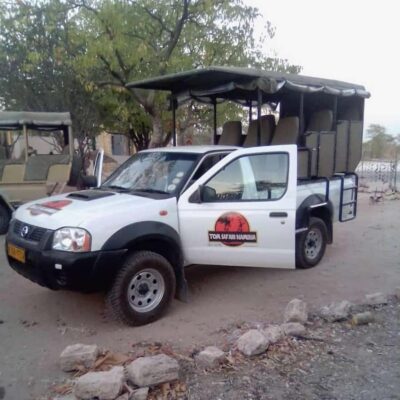
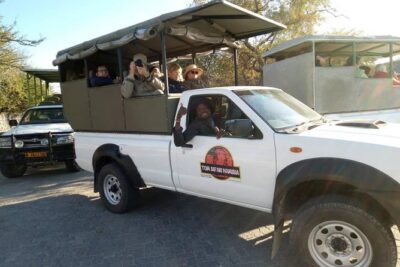
ETOSHA PARK SAFARI with local guides in 9-seater 4x4s
Read our review →
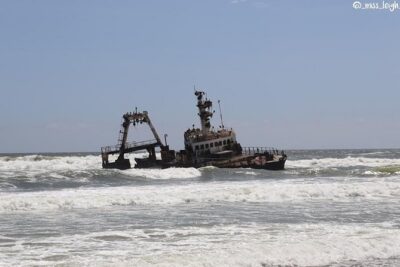
6 Day Sand, Sea & Etosha Budget Camping Safari
Read our review →
Safari in Etosha national park with professional tour guides born in Etosha.
Read our review →
9 Day Etosha, Skeleton Coast and Sossusvlei Camping and Lodge Safari
Read our review →
4-Day Etosha And Swakopmund Accommodated Adventure from Windhoek
Read our review →Browse the lists this tour appears in