
Reviewed · WINDHOEK TOURS
Predator Encounter: Half-Day Carnivore Feeding Windhoek
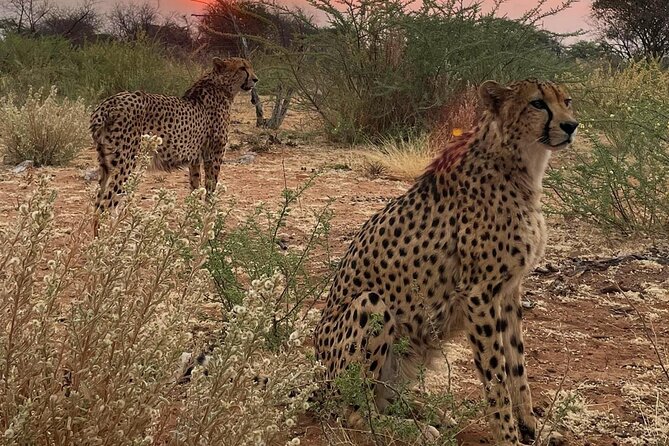
The most striking part of this Windhoek outing is the close view of ambassador animals, including cheetahs, lions, leopards, caracals, and wild dogs that cannot return to the wild. You watch experienced guides feed them, then hear why conservation groups care for these animals and how predators fit into Namibia’s natural systems.
I like the small maximum group of 10, which should make it easier to hear the talks and get a clear photo position. I also like the mix of feeding sessions and a short reserve drive, since you get both close animal encounters and a chance to spot wildlife from the vehicle. The main concern is that this is a sanctuary feeding experience, not a traditional safari, and the public feedback is mixed, with one serious complaint about expectations and the condition of the visit.
Key points to know before booking
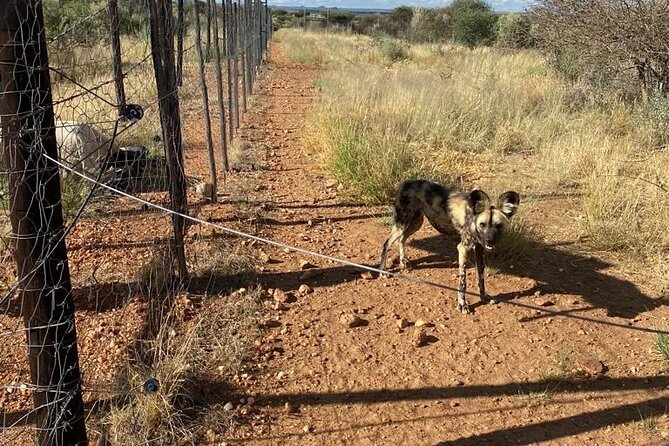
- Ambassador animals up close: See baboons, caracals, lions, cheetahs, wild dogs, and leopards that cannot be released into the wild.
- A five-hour Windhoek outing: Pickup begins at Zoo Park at 8:00 am, with the activity ending back at the same meeting point.
- Feeding led by experienced guides: Watch controlled feeding while guides explain animal behavior, biology, and conservation.
- Small group size: The tour accepts no more than 10 people, a useful limit for viewing and photography.
- Not a standard safari: The animals are cared for at Naankuse Wildlife Sanctuary, and the feeding sessions are the main event.
- Free cancellation with a deadline: Cancel at least 24 hours before the start time for a full refund, subject to the weather policy.
What this five-hour experience really is
If you picture a classic Namibian game drive, adjust your expectations before you book. This outing centers on animals living in a sanctuary setting, not on tracking free-ranging predators across a vast reserve.
Naankuse cares for animals called ambassadors. These are creatures that cannot be released for various reasons, so their role is different from that of wild animals you might encounter on safari. They help people learn about predator behavior, conservation work, and the difficult choices involved in caring for wildlife affected by human activity.
That difference matters. You are likely to get a much closer view of a cheetah or leopard than you would in a conventional vehicle-based safari. At the same time, the encounter is managed, scheduled, and built around feeding. It does not offer the uncertainty, distance, or fully wild setting of searching for predators in a national park.
I see value in both formats. A traditional safari may give you a more natural sense of animal movement and space, while this visit offers access and explanation. If your main goal is a strong photograph of a big cat and a clear talk about conservation, the sanctuary format may suit you well.
A few more Windhoek trips to weigh up
- Half-Day Windhoek City and Township Cultural Tour
★ 4.5 · 187 reviews - Walvis Bay: Sandwich Harbour Half-Day 4×4 Scenic Excursion
★ 5.0 · 426 reviews - Pelican Point Kayaking Half-Day Tour
★ 5.0 · 349 reviews
Leaving Windhoek at 8:00 am
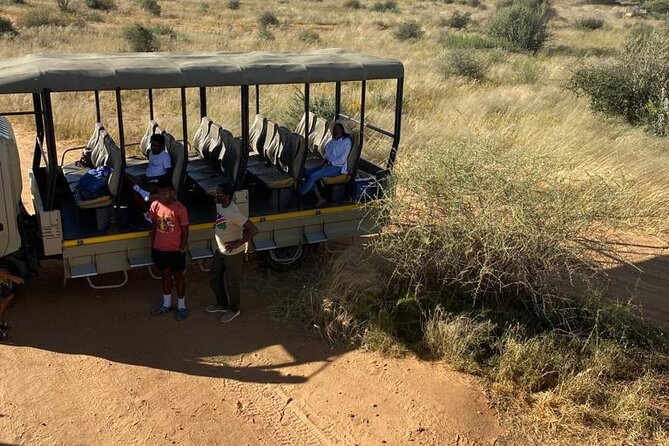
The tour starts at Zoo Park on Park Street in Windhoek. Pickup is offered, and the provided transport is an air-conditioned vehicle, a welcome detail for a warm morning outside the city.
The activity lasts about five hours in total, although the listed sanctuary portion is described as roughly two hours. That suggests you should allow time for the drive between Windhoek and Naankuse, along with the scenic reserve drive and return journey.
The end point is the same as the start point, so you can plan the rest of your day from Zoo Park. An early start also leaves part of the afternoon open, though you should not make a tight appointment immediately afterward because the total duration is approximate.
The group limit of 10 is one of the better practical features here. You will not have the intimacy of a private vehicle, but a group this size is more manageable than a large coach. It should also help when the guide explains the animals or when people take turns finding a good angle for photographs.
At Naankuse Wildlife Sanctuary
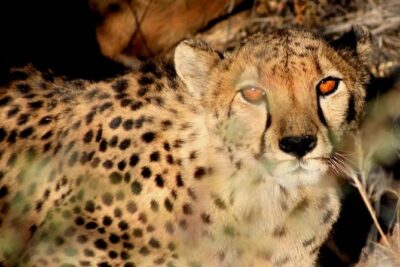
The sanctuary visit is the heart of the outing. You can expect to see baboons, caracals, lions, cheetahs, wild dogs, and leopards, all animals that are described as ambassador animals because they cannot be returned to the wild.
Each species offers something different. Cheetahs are built for speed, with a lighter frame and a very different hunting style from the heavier big cats. Leopards are powerful and adaptable. Lions provide a chance to think about social behavior and group living, while wild dogs are especially useful for understanding cooperation among predators.
Caracals can be easy to overlook in Namibia because they are smaller than lions and leopards, but they are impressive hunters in their own right. Baboons add another type of animal behavior to the visit, giving the program more range than a big-cat-only encounter.
The feeding is controlled and carried out by experienced guides. You are not simply watching an animal eat. The guide-led format gives you a chance to see movement, strength, feeding habits, and reactions at close range while hearing how the animals are managed safely.
The setting also gives you a better chance at photographs than a distant sighting on a normal game drive. Still, close access does not guarantee a perfect image. Animals move, people share viewing space, and the feeding schedule controls the action. Bring patience rather than expecting every animal to pose.
Why the conservation message matters
Predators are often at the center of conflict between people and wildlife. They need large areas, may prey on livestock, and can be feared or killed when communities have few ways to protect their animals.
The educational side of the visit addresses these problems. Talks cover the biology and habitat of carnivores, their role in ecological balance, and conservation projects aimed at reducing conflict between people and wildlife.
You will also hear about community-based conservation. That part is important because protecting predators cannot depend only on keeping animals behind fences or caring for individual animals at a sanctuary. Long-term conservation also requires local communities to have a reason and a practical way to live alongside wildlife.
The tour is therefore more useful when you treat it as a conservation lesson with animal viewing, not just a feeding show. The close encounters may be what gets your attention, but the explanations give the visit its wider purpose.
Same desert coast, a completely different day out:
- Windhoek: City and Township Tour
★ 4.8 · 430 reviews - Windhoek: Bushman Walk with the San
★ 4.9 · 145 reviews - 6-Day Dunes and Wildlife Accommodated Safari from Windhoek
★ 5.0 · 123 reviews - Windhoek City Tour
★ 5.0 · 113 reviews
Feeding time: the strongest and most sensitive part
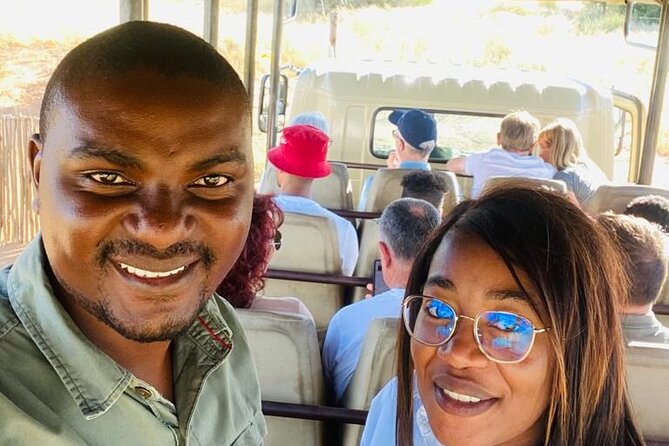
Watching a guide feed a predator can be exciting. You may see the animal move with sudden speed, use its strength, or display feeding behavior that is difficult to observe from far away.
It can also raise questions. A feeding encounter is not the same as watching a predator hunt naturally, and the animals are living in a managed environment. If you care about animal welfare, ask clear questions about why each animal is at the sanctuary, how it is cared for, and how the feeding sessions support the animals’ needs.
That is not a reason to dismiss the experience, but it is a reason to pay attention. The word sanctuary can mean different things in different places, so the quality of the visit depends on the care standards and the clarity of the explanations you receive.
The available public feedback reflects that difference in expectations. Two people described the outing as a memorable chance to see and feed big cats close up, while another person felt the experience was misleading and distressing. The provider disputed claims about altered images and denied that the guide was under the influence of alcohol.
For me, the practical lesson is simple: confirm the current format before paying. Ask if the advertised photographs accurately show the present experience, and make sure you understand that the animals are sanctuary ambassadors rather than free-ranging predators. That small check can prevent a major mismatch.
The scenic drive after the feeding
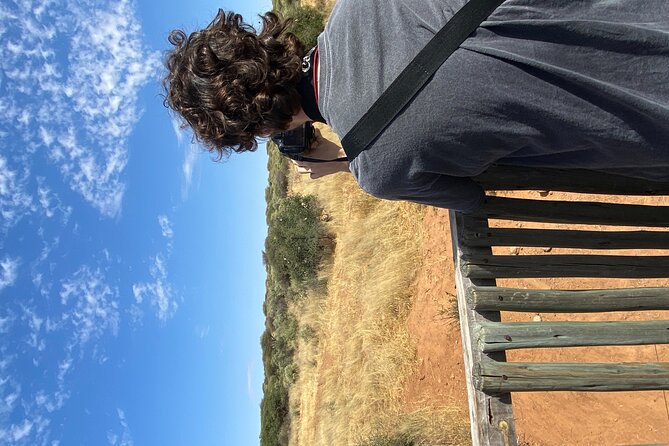
After the animal sessions, the outing includes a scenic drive through the reserve. This gives you a change of pace after the scheduled feeding and a chance to look for other wildlife.
The drive is not presented as a guaranteed game-viewing session. Wildlife sightings depend on conditions, animal movement, and luck. You might see additional reserve animals, but you should not book this portion expecting a full safari with a long list of guaranteed sightings.
Its value is that it adds open-air viewing to a program otherwise focused on specific animals. You can use the drive to think about the habitats discussed during the talks and to look for signs of wildlife beyond the sanctuary enclosures or managed areas.
If your schedule allows only one short wildlife outing from Windhoek, this combination is efficient. You get the close predator encounter first, then a broader look at the reserve before returning to the city.
Is the $170.92 price good value?
At $170.92 per person, this is not a casual budget activity. The cost covers transport in an air-conditioned vehicle, the sanctuary visit, the feeding program, the guide-led interpretation, and the reserve drive.
I would judge the value by your main interest. For someone who wants close photographs of several carnivore species and has only a morning available from Windhoek, the price may be reasonable. A small group and a five-hour door-to-door plan also save you the trouble of arranging separate transport.
The value is weaker if you are paying for a classic safari experience. You are not buying a full day in the bush, a private vehicle, or a promise of wild predator sightings. The centerpiece is the sanctuary feeding program, and the scenic drive is an additional part of the visit rather than the main purpose.
The price also makes accurate expectations more important. Before booking, confirm what current images show, what animals are expected on the day, and how much time is spent at the sanctuary compared with driving. Those questions help you decide if the cost matches what you actually want.
Who will enjoy this outing most?
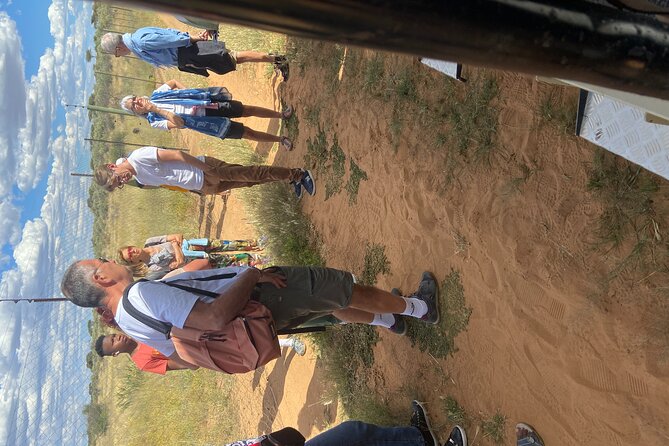
This experience suits you if you have a strong interest in predators and want to see several species in one morning. It also works well for photographers, families, and first-time visitors who want clear explanations rather than a silent drive through a reserve.
It may be especially useful if you are staying in Windhoek and have a spare morning but no time for a longer wildlife trip. The return to Zoo Park keeps the plan straightforward.
You should think twice if your priority is seeing animals behave without human management. A feeding session offers access, but it does not recreate a wild hunt. You may also want a different activity if you are uncomfortable with captive or semi-wild animal settings.
The required fitness level is moderate. No special technical skill is stated, but you should be comfortable with a half-day outing that includes transport, time outside, and movement around the sanctuary.
Practical details that can save you trouble
Book ahead if your dates are fixed. The experience is booked an average of 32 days in advance, which suggests that popular mornings may fill before your trip.
Confirmation is provided at booking, and the ticket is mobile, so you can keep the details on your phone. Pickup begins at 8:00 am from Zoo Park, and you return to that meeting point at the end.
Alcoholic beverages are not included. The tour requires good weather, and if poor weather forces a cancellation, you are offered another date or a full refund.
The cancellation rule is friendly as long as you act early. You can cancel for a full refund up to 24 hours before the start time. Changes or cancellations inside that 24-hour window are not accepted and are not refunded.
My booking advice
I would book this if I wanted a compact, close-up introduction to Namibia’s carnivores and understood that Naankuse is a sanctuary setting. The combination of feeding, conservation talks, photography, and a reserve drive gives you more substance than a quick animal photo stop.
I would not book it without first checking the current promotional images and asking direct questions about the animal encounter. The mixed feedback shows that expectations matter here, especially if you believe you are buying a traditional safari.
For the right person, this can be a memorable morning with rare access to cheetahs, lions, leopards, caracals, wild dogs, and baboons. For someone seeking completely wild behavior, a conventional reserve or national park safari will likely be the better choice.
FAQ
Where does the tour begin?
The tour begins at Zoo Park, C3MP+432, Park Street, Windhoek, Namibia.
What time does the tour start?
The start time is 8:00 am.
Where does the tour end?
The activity ends back at the meeting point at Zoo Park.
How long does the experience last?
The full experience lasts approximately five hours. The Naankuse Wildlife Sanctuary portion is listed as about two hours, followed by a scenic drive and return transport.
Which animals can I see?
The sanctuary visit includes baboons, caracals, lions, cheetahs, wild dogs, and leopards. These are described as ambassador animals that cannot be released back into the wild.
Is transportation included?
Yes. Pickup is offered, and an air-conditioned vehicle is included.
What is the cancellation policy?
You can cancel at least 24 hours before the local start time for a full refund. Cancellations or changes made less than 24 hours before the start time are not accepted or refunded. If poor weather causes cancellation, you are offered another date or a full refund.
Just added around Windhoek
- Windhoek: Katutura Township Tour with Local Guide★ 3.5 · 3 reviews
- Windhoek: City & Township tour. Vehicle, guide, kapana★ 4.2 · 4 reviews
- Knight Vibes: Bars, Shebeen, Clubs Crawl Windhoek★ 5.0 · 3 reviews
- 3 Day Camping safari at Sossusvlei★ 5.0 · 5 reviews
- Airport Transfers★ 5.0 · 5 reviews
- Discover the Routes of N/a’an ku sê.★ 4.0 · 6 reviews
- 3 Day Camping tour at Etosha National Park★ 5.0 · 5 reviews
- Private Multi-Day Tour Self-Drive for Beginners Safari in Namibia★ 5.0 · 6 reviews
Windhoek Tours, compared.

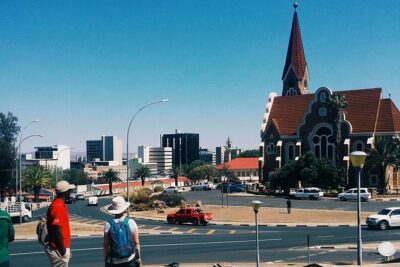
Half-Day Windhoek City and Township Cultural Tour
Read our review →
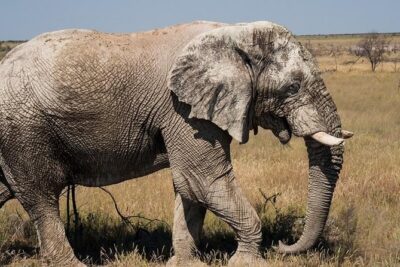
6-Day Dunes and Wildlife Accommodated Safari from Windhoek
Read our review →
10-Day Namibia Highlights Guided Tour from Windhoek
Read our review →
Browse the lists this tour appears in