
Reviewed · ETOSHA SAFARI TOURS
6 Day Sand, Sea & Etosha Budget Camping Safari
The big draw here is the variety packed into six days: red dunes at sunrise, coastal desert, and Etosha wildlife. You move from Namibia’s dry interior to the Atlantic edge, then finish around waterholes where animals come to drink.
I like the small maximum group of nine and the practical price of $1,355.66, which covers park fees, camping gear, most meals, and guided drives. I also like the mix of camping and fixed accommodation, since you get the outdoor experience without sleeping under canvas every night. The main caution is the pace: long driving days, early starts, basic camping, and no included drinks or sleeping bag.
Key points to know before booking
- Dune 45 at sunrise: Start before dawn for the best light on the Namib’s red sand.
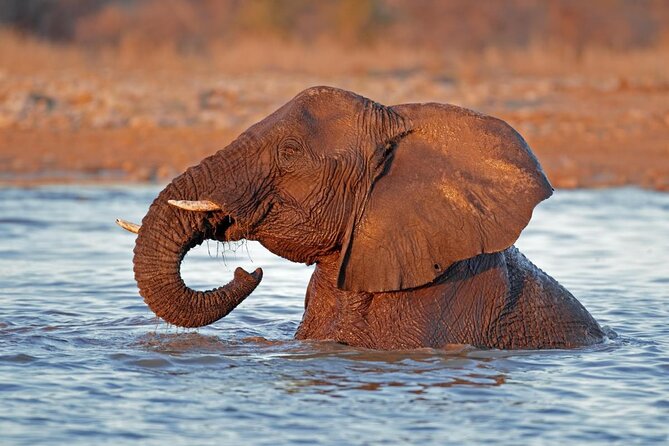
- Two nights in Etosha: Waterholes give you repeated chances to watch wildlife without rushing through the park.
- Small group of up to nine: A compact vehicle group is easier to manage at campsites and viewing points.
- Camping equipment included: You bring or hire your own sleeping bag, while the other basic camping gear is supplied.
- Swakopmund break: Two nights in accommodation give you a more comfortable pause between desert drives and Etosha.
- Windhoek pickup and return: Collection begins at 7:00 a.m. within Windhoek city limits, with a shuttle back to city accommodation at the end.
Three Namibian highlights in six days
This is a route for you if you want the headline sights without paying for a private safari. It links Sesriem and Sossusvlei, Swakopmund, and Etosha National Park in one compact trip.
The route also gives you a useful sense of Namibia’s scale. You cross high plateaus, gravel plains, mountain passes, desert roads, and open park country. The scenery changes often, but the driving is a real part of the experience, not just a transfer between attractions.
At $1,355.66 per person, the value comes from what is bundled into the trip. You receive national park entry fees, the Sossusvlei excursion, game drives in the safari vehicle, camping equipment other than a sleeping bag, five breakfasts, six lunches, and four dinners. You still need to budget for drinks, extra water, optional activities, tips, and possibly a sleeping bag rental.
The maximum group size is nine. That is a useful middle ground: more affordable than a private trip, but smaller than a large coach tour. You should still expect shared routines, shared meals, and limited control over the daily timetable.
More Namibia Camping Safaris in Windhoek
- 12 Day Classic Namibia Camping Safari
★ 5.0 · 77 reviews - 3 Day Sossusvlei Budget Camping Safari
★ 5.0 · 62 reviews - 7 Day Southern Namibia and Sossusvlei Camping Safari
★ 5.0 · 26 reviews
Leaving Windhoek for Sesriem
Pickup is at 7:00 a.m. from accommodation within Windhoek city limits. You first go to Chameleon headquarters for a short pre-departure meeting, then set off toward Sesriem.
The road climbs from Windhoek onto Namibia’s central plateau. Mountain views make the opening drive more interesting than a simple highway transfer, and you stop in Rehoboth for essential supplies. From there, the route passes through the small community of BűellsPort before reaching the Sesriem camping area around lunchtime.
Your campsite is set beneath a large old camelthorn tree, with a view toward the red dunes of the Namib. After setting up, you have a picnic-style lunch and time around camp before the next morning’s early start.
The first day lasts about six hours. That sounds manageable, but the morning departure, setup, and desert heat can make it feel full. You need moderate physical fitness, especially for putting up camp and handling the dune walk on Day 2.
Camping gear is supplied, but not a sleeping bag. You can hire one, or bring your own. Tap water is included, but bottled or mineral water is not, so plan your drinking water carefully.
Sossusvlei and the logic of a pre-dawn start
Day 2 begins before sunrise. That early alarm is not a needless hardship. The dune colors are strongest when low sunlight hits one side of the sand while the other side remains in shadow.
Your first major stop is Dune 45, named for its distance from Sesriem. You climb to a viewpoint and watch the sand change from dark shapes into orange and apricot tones as the sun rises. If you enjoy photography, this is the moment to keep your camera ready. The low light gives the dunes depth that is lost later in the day.
After the climb, you return to the vehicle for a quick breakfast before continuing toward Sossusvlei. The supplied schedule gives this stop about six hours, including the drive and excursion.
The physical effort is moderate, but walking on loose sand is tiring. The heat can also build quickly after sunrise. Wear practical shoes, carry water, and keep your expectations realistic: this is a scenic outing with a very early start, not a slow morning at camp.
I like that the tour gives Sossusvlei its own full day rather than treating the dunes as a quick roadside photo stop. The tradeoff is that you lose sleep to make it happen. For most people, that is a sound bargain.
Crossing the Namib to Swakopmund
After breakfast on Day 3, you head west across the Namib gravel plains. The scenery here is stark and wide, with flat stretches broken by large mountain inselbergs. You also cross the Tropic of Capricorn, where a signpost provides an easy photo stop.
The route includes the Gaub River canyon and the Kuiseb Pass. The Kuiseb River has carved a broad canyon over a long period, and the road drops into and out of this dry country before continuing toward the Atlantic coast.
This is one of the most useful days for understanding Namibia. The desert is not only sand dunes. Gravel plains, dry river channels, rocky mountain edges, and coastal fog country all form part of the journey.
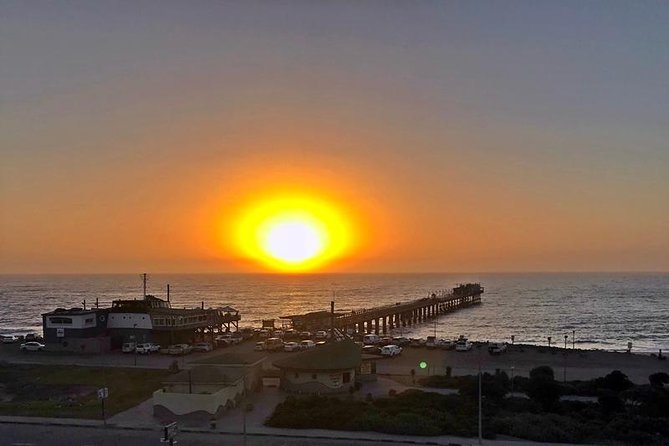
Swakopmund is described as Namibia’s adventure capital, and you spend two nights in accommodation there rather than camping. That matters. After the first two nights outdoors and a demanding dune morning, a bed and a town base provide a welcome reset.
The schedule lists about six hours for the day. Actual time on the road can feel longer because the route includes scenic stops and the distances between Namibian towns are substantial. You should not book tightly timed onward plans around the listed arrival estimates.
The tour information does not specify which optional activities are available or include them in the price. You will need to pay separately for any extra activity, and the schedule may not leave room for every choice. The included plan focuses on the transfer and the Swakopmund stay.
More etosha safari tours in Windhoek:
- 9 Day Etosha, Skeleton Coast and Sossusvlei Camping and Lodge Safari
★ 5.0 · 21 reviews - 4-Day Etosha And Swakopmund Accommodated Adventure from Windhoek
★ 4.5 · 19 reviews - Etosha Express Safari 3 Days / 2 Nights
★ 5.0 · 11 reviews - 3 Day Camping tour at Etosha National Park
★ 5.0 · 5 reviews
Entering Etosha through Okaukuejo
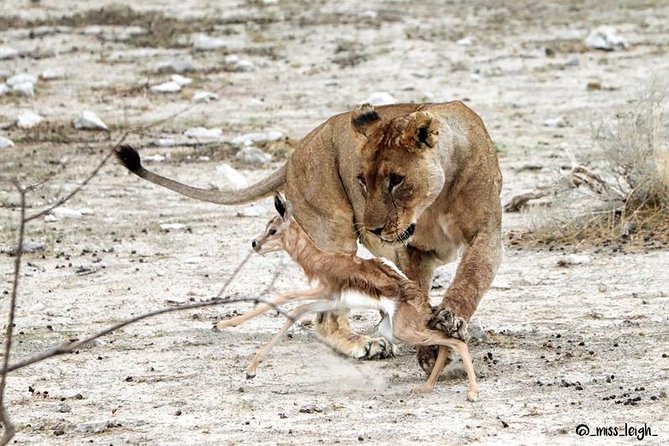
After breakfast on Day 4, the group aims to leave around 9:00 a.m. The route to Etosha uses paved roads and reaches the park in the afternoon.
The first game drive takes place as you travel into the park and set up camp at Okaukuejo. The day is listed at about seven hours, so you should expect a full travel day rather than a short hop.
Okaukuejo’s waterhole is the main event after camp is ready. It gives you a place to sit and watch animal activity without needing to chase every sighting from the vehicle. Water is scarce in this desert park, so waterholes are natural gathering points for wildlife.
That changes the rhythm of the safari. Instead of driving constantly, you can spend time waiting in one place. Patience matters here. Wildlife does not follow a tour timetable, but a waterhole gives you a sensible chance to see animals coming in for a drink.
The two nights in Etosha are included as camping nights. The camping equipment is supplied, but you remain responsible for having a sleeping bag. Meals are included according to the package, with four dinners and five breakfasts provided across the six-day trip.
A full day of waterholes and game driving
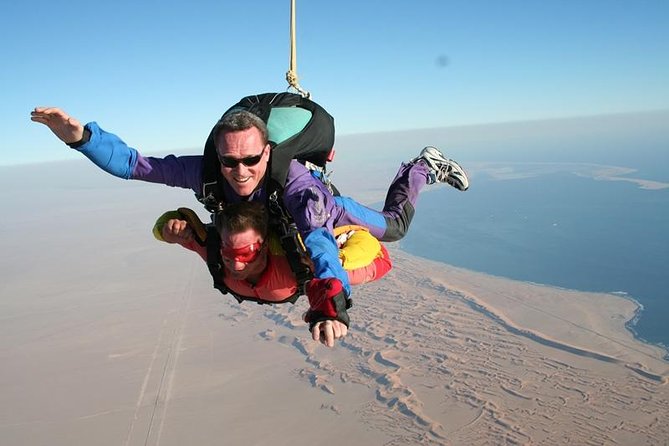
Day 5 is the main Etosha wildlife day. The plan is to visit as many waterholes as possible, beginning with early morning activity around Okaukuejo and continuing toward Halali.
Early morning is a sensible time for this kind of drive. Animals often gather at water, and the cooler part of the day is more comfortable for sitting in the vehicle. You stop at a designated picnic area for a quick breakfast before continuing toward Halali.
The route is not built around a single guaranteed sighting. It is a series of chances. You may find animals at one waterhole and very little at the next, so the value comes from having a full day and several stops rather than relying on one brief visit.
Halali’s name comes from a European hunting bugle call used to signal that a hunt was over. Here, the name gives the camp an old historical reference, but your focus is the park’s present-day wildlife and dry surroundings.
The game drives are conducted in the Chameleon Safaris vehicle. A small group of up to nine should make it easier to see out from the vehicle and coordinate stops, though you still share the viewing time and decisions with the group.
If you want a private safari with complete control over stops, this is not that experience. If you want a lower-cost route with two nights inside Etosha and repeated waterhole visits, the arrangement makes good sense.
Returning through Otjiwarongo and Okahandja
After breaking camp on Day 6, you head south toward Windhoek. The drive takes about eight hours and includes a refueling stop in Otjiwarongo.
You also stop in Okahandja, home to Namibia’s largest wood carving market. Craftspeople from across the country bring items of many sizes, making this more than a routine fuel stop. It is your best chance on this route to buy a Namibian souvenir while supporting local artists and communities.
The tour aims to reach Windhoek in the late afternoon. A shuttle then takes you to accommodation within Windhoek city limits.
The final day is long, and you should avoid booking an evening flight unless you have a generous buffer. The return transfer is useful, but the schedule is still affected by road conditions, group needs, and the distance covered.
How the camping setup affects comfort
This is a budget camping safari, but budget does not mean you should expect a bare-bones vehicle transfer with no support. Camping equipment, park fees, guided driving, and many meals are covered.
You will still need to take part in the practical side of camp life. A first-time camper described being shown how to put up the tents by guide Raymond and feeling comfortable with the process. That is helpful if you have little or no camping experience.
I would pack light but carefully. Bring a sleeping bag or arrange the rental, personal water beyond the included tap water, sun protection, and clothes that work for cool early mornings and warmer daytime hours. Keep your luggage manageable because the group handles repeated camp changes.
The food plan reduces daily planning, but drinks are not included. This is one of the small costs that can add up, especially in a hot, dry region. Ask about the practical water arrangement before departure so you know what to buy and carry.
Who gets the best value from this trip
This safari suits you if you want Namibia’s major natural sights in one short trip and do not need luxury lodges. It is also a good fit if you are new to camping but willing to learn the basics.
The route works especially well for:
- First-time visitors with only six days
- Solo travelers who want a small shared group
- Couples or friends watching costs
- People who want both desert scenery and wildlife
- Campers comfortable with early mornings and long drives
- Visitors staying in Windhoek before and after the safari
It is less suitable if you need a slow schedule, private transport, high-end lodging, or guaranteed wildlife sightings. The route covers a lot of ground, and two days include around seven to eight hours of travel.
The published rating is 4.9 from 36 reviews, with 97 percent recommending the experience. Those figures support the tour’s strong reputation, but they do not remove the basic realities of camping, shared transport, or a fixed route.
Booking details that matter
Confirmation is provided at booking, and the experience uses a mobile ticket. Pickup is offered from accommodation within Windhoek city limits, beginning at 7:00 a.m.
The tour requires a moderate level of physical fitness. You should be ready for dune walking, campsite tasks, early starts, and long periods in a safari vehicle.
The price is non-refundable and cannot be changed after booking. That makes travel insurance and firm plans especially important before you pay.
Should you book the Sand, Sea & Etosha safari?
Book this trip if you want a well-packed Namibia sampler with Sossusvlei, Swakopmund, and Etosha in one affordable route. The combination of two camping nights, two nights in accommodation, included meals, and national park fees gives the price real value.
Think twice if you dislike shared schedules or long drives. You will spend much of the trip on the road, and the most memorable moments require early alarms, patience at waterholes, and a willingness to help with camp.
For a first Namibia trip on a controlled budget, I would choose this route over a rushed sightseeing package. Bring a sleeping bag, protect your water budget, leave room in your schedule on the final day, and you will be set up to enjoy the sand, sea, and wildlife without paying for comforts you may not need.
FAQ
Where does the safari start?
The safari starts with pickup from accommodation within Windhoek city limits at 7:00 a.m. You then go to Chameleon headquarters for a short pre-departure meeting.
How long does the tour last?
The tour lasts approximately six days.
What places does the route visit?
The route includes Sesriem, Sossusvlei, Swakopmund, Etosha National Park, Okaukuejo, Halali, Otjiwarongo, Okahandja, and Windhoek.
How many nights are spent camping?
You spend two nights camping in Etosha National Park. The tour also includes camping at Sesriem, while the overview states that two nights in Swakopmund are in accommodation.
Is camping equipment included?
Basic camping equipment is included, but a sleeping bag is not. A sleeping bag can be hired.
Are meals included?
Yes. The package includes six lunches, four dinners, and five breakfasts.
Are drinks and bottled water included?
No. Drinks and water, including mineral water, are not included. Tap water is included.
How large is the group?
The maximum group size is nine people.
Can I cancel or change the booking?
No. The experience is non-refundable and cannot be changed for any reason.
More 6-Day Experiences in Windhoek
- 6 Day Private Guided Accommodated Namibian Loop
★ 5.0 · 6 reviews - 6 DAYS ETOSHA,SWAKOPMUND & SOSSUSVLEI- NAMIBIA (Lodging)
★ 4.5 · 4 reviews
More Safari in Windhoek
- 6-Day Dunes and Wildlife Accommodated Safari from Windhoek
★ 5.0 · 123 reviews - 9 Day Canyons, Dunes & Wildlife Camping and Lodge Safari
★ 4.5 · 23 reviews - From Windhoek: Okapuka Safari Lodge Day Trip
★ 4.4 · 20 reviews - 7 Day Northern Namibia and Skeleton Coast Camping Safari
★ 5.0 · 19 reviews
Just added around Windhoek
- Windhoek: Katutura Township Tour with Local Guide★ 3.5 · 3 reviews
- Windhoek: City & Township tour. Vehicle, guide, kapana★ 4.2 · 4 reviews
- Predator Encounter: Half-Day Carnivore Feeding Windhoek★ 4.0 · 5 reviews
- Knight Vibes: Bars, Shebeen, Clubs Crawl Windhoek★ 5.0 · 3 reviews
- Airport Transfers★ 5.0 · 5 reviews
- Discover the Routes of N/a’an ku sê.★ 4.0 · 6 reviews
- 3 Day Camping safari at Sossusvlei★ 5.0 · 5 reviews
- 3 Day Camping tour at Etosha National Park★ 5.0 · 5 reviews
Etosha Safari Tours, compared.
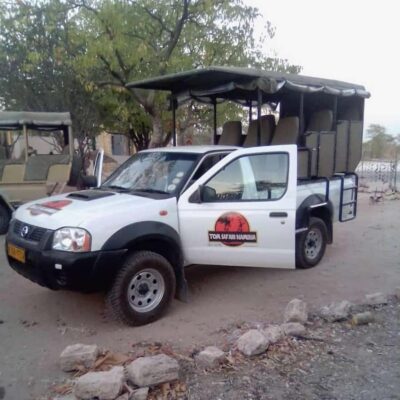
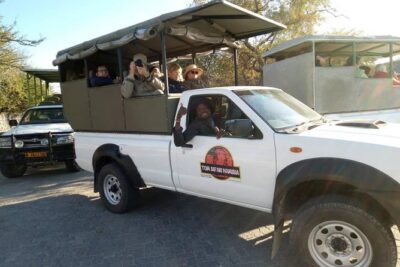
ETOSHA PARK SAFARI with local guides in 9-seater 4x4s
Read our review →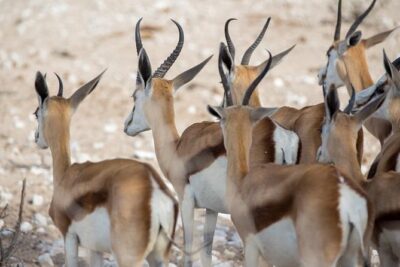
Safari in Etosha national park with professional tour guides born in Etosha.
Read our review →
9 Day Etosha, Skeleton Coast and Sossusvlei Camping and Lodge Safari
Read our review →
4-Day Etosha And Swakopmund Accommodated Adventure from Windhoek
Read our review →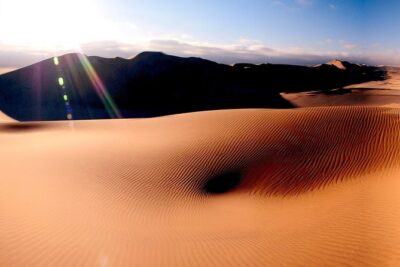
Browse the lists this tour appears in