
Reviewed · NAMIB DESERT TOURS
NAMIB DESERT TOURS, Full-Day and Half-Day Tours from Swakopmund, Namibia
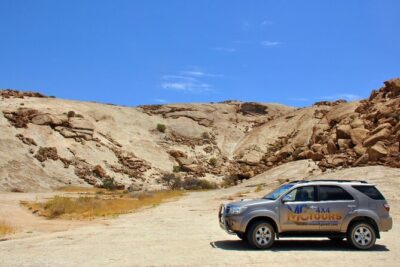
The Namib Desert tour reaches its best moments far from town, where Ringing Stones, living-stone plants, and ancient Welwitschia plants appear among bare rock and sand. Later, the route follows the dry Swakop River toward Moon Valley and finishes among shifting dunes near Swakopmund.
I like the small group size, capped at seven, and the strong focus on natural detail rather than a quick photo stop. I also like that Hans-Dieter, a lifelong resident of Swakopmund who speaks German, brings local context about Namibia’s culture, politics, animals, and terrain.
The main drawback is the long day in an exposed desert setting. The seven-hour version includes a picnic lunch, but the shorter four-hour tour skips lunch and covers less of the Swakop Valley route.
Key points to know before booking

- The seven-hour route covers the widest range: You visit the rocky Namib, the dry Swakop River, Goanikontes, Moon Valley, and the dunes near Swakopmund.
- Welwitschia is the botanical star: This unusual plant is a living fossil found only in this part of the world.
- Hans-Dieter adds local insight: He explains desert geology, climate, plants, animals, history, culture, and politics.
- Groups stay small: A maximum of seven people makes it easier to ask questions and see the terrain without a crowded vehicle.
- The four-hour option is more focused: It visits the Namib Desert but does not include the lunch break or the full valley route.
- The price is $75.16 per person: For a full day with transport, guiding, lunch, and several distinct settings, that is a fair rate if you want more than a short desert outing.
Why this desert trip is different from a simple dune stop
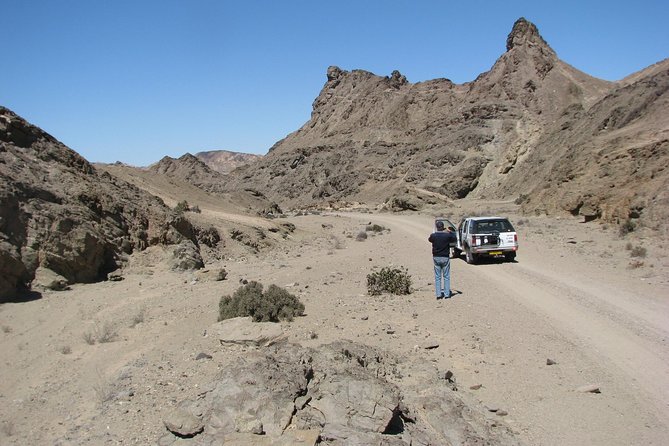
Swakopmund is an easy base for seeing the Namib, but the desert around town is not one-note. It shifts from rocky open ground to dry riverbeds, plant life, distant hills, and loose sand. This tour gives you time to notice those changes.
That matters because the Namib is not just a place for dramatic photographs. The plants and animals here have adapted to severe dryness, and the guide’s explanation helps make the bare scenery readable. A patch of lichen, a low Lithops plant, or a Welwitschia can look insignificant until you understand how unusual it is.
I like the way the day is built around several forms of desert. You are not asked to spend seven hours looking at the same type of view. The first part is more geological and botanical. The second part follows the Swakop Valley and ends with the familiar but still striking sight of shifting dunes.
The tour is also a good match for you if you prefer interpretation to adrenaline. There is no promise of a high-speed 4×4 thrill ride or a long hike. The value comes from access, explanation, and the chance to see parts of the Namib outside Swakopmund.
More namib desert tours in Swakopmund:
- Swakopmund: Moon Valley and Namib Desert Welwitschia Tour
★ 4.7 · 4 reviews - Full-Day Tour in Namib Desert from Swakopmund, Namibia
★ 5.0 · 3 reviews - Namib Desert Landscape Tour
★ 5.0 · 20 reviews
Leaving Swakopmund for the oldest Namib
The morning begins at 9:00 am at Farmhouse Deli on The Mole in Swakopmund. Pickup is offered, and the activity ends back at the meeting point, which keeps the day simple if you are staying in town.
The route heads along smallholdings on the northern bank of the Swakop River. Soon, the built-up edge of Swakopmund gives way to open desert. This gradual change is useful: you can see how quickly the town gives way to a place shaped by very little rain, coastal conditions, and exposed rock.
Your guide explains how the Namib formed and how its geological and climatic conditions affect life here. These explanations are not filler. They give you a reason to look closely at ground that may first appear empty.
The group limit of seven is especially helpful during this opening section. If you want to ask why a plant survives in a certain spot or how the riverbed affects the surrounding area, you are less likely to feel lost in a large coach group. The tour is suitable for most people, according to the supplied activity details, though the information does not specify walking distances or vehicle facilities.
Ringing Stones, Lithops, and Welwitschia
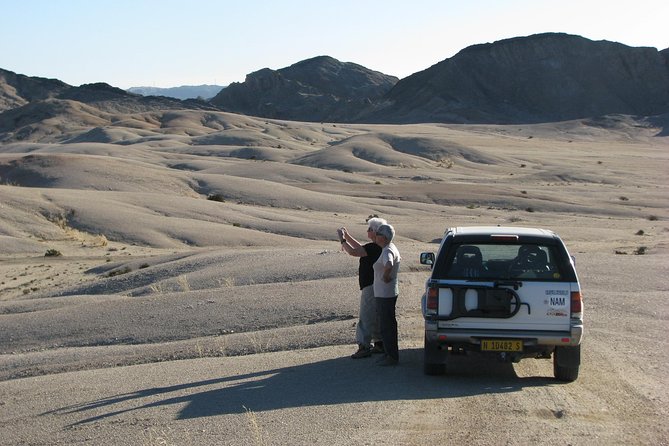
The rocky portion of the Namib is the heart of the four-hour tour and the first major section of the full-day outing. Here you see the Ringing Stones, a curious feature that gives the desert a touch of natural theatre. The exact sound and setting can depend on how the stones are handled and where you stop, so treat it as an unusual detail rather than the whole reason to book.
The plants are more important. Lithops, also called living stones, blend into their surroundings so well that you could pass them without help. Rare lichens add small touches of color and texture to the otherwise spare ground.
Then comes the Welwitschia plant. It is described as a living fossil and is found only in this geographical area. That makes it one of the clearest reasons to choose a guided trip instead of simply driving through the desert on your own. You might see the plant, but the guide helps you understand why it matters.
The plant can look rough and ancient rather than conventionally beautiful. That is part of its appeal. The Namib rewards patience and close attention, not a checklist of postcard views.
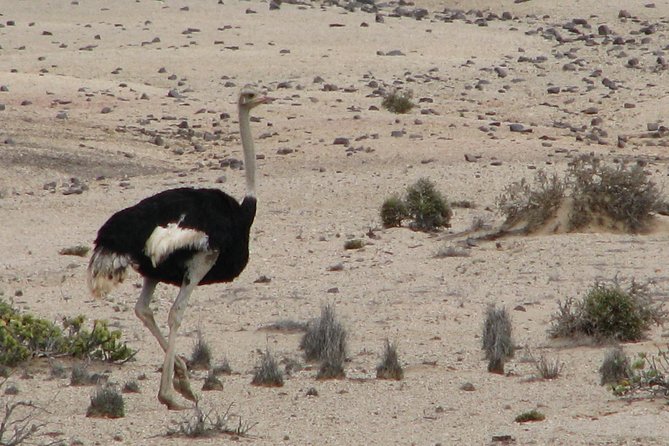
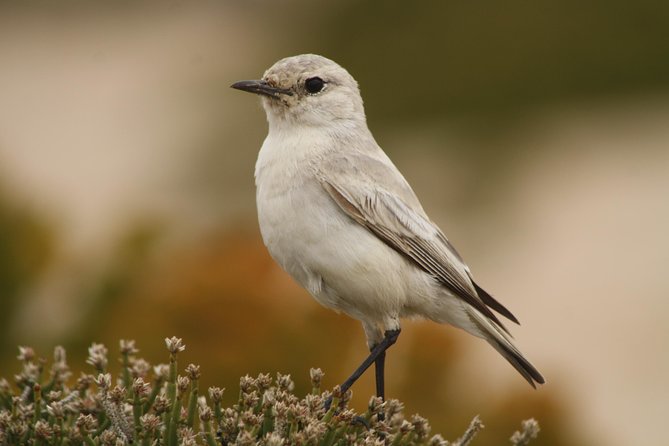
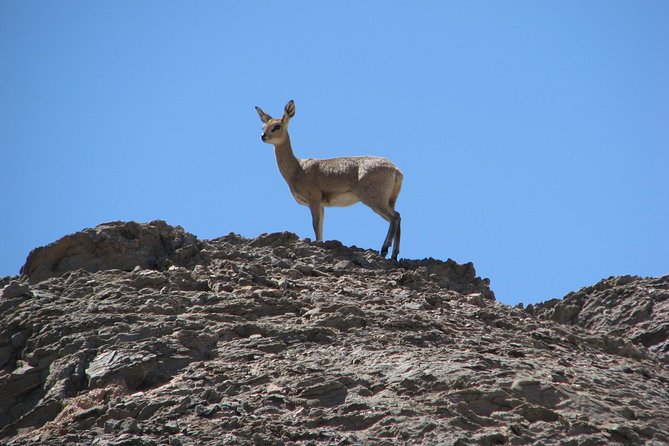
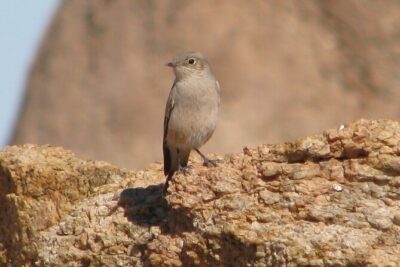
Animal sightings are possible but not assured. The species listed for the route include Springbok, Klipspringer, Steenbok, baboons, ostriches, Ruppel’s Korhaan, and Tractrac Chats. You should book this for the desert setting and natural explanations, with wildlife as a welcome bonus.
The seven-hour route and its picnic lunch
The full-day version takes about seven hours and includes a lunch break after the first desert section. The lunch is described in the experience material as a picnic, and one particularly praised detail was eating in the shade of an overhang.
That small point matters in the Namib. A shaded pause gives you time to cool down, eat, and take in the surroundings without rushing straight from one sight to the next. One review specifically praised the food, calling the picnic lunch delicious, so lunch appears to be more than a token stop.
Still, you should confirm any dietary needs directly with Kallisto Tours & Services before booking, since the supplied information does not give a menu or dietary arrangements. The same applies to drink provision and exact lunch timing.
The four-hour version does not include a lunch break. It follows a shorter route, making it a sensible choice if you have limited time in Swakopmund or prefer a compact outing. The tradeoff is clear: you miss the longer Swakop Valley section, Goanikontes, the Moon Valley viewpoint, and the final dune visit described for the full-day tour.
A few more Swakopmund trips to weigh up
- Walvis Bay: Sandwich Harbour Half-Day 4×4 Scenic Excursion
★ 5.0 · 426 reviews - Pelican Point Kayaking Half-Day Tour
★ 5.0 · 349 reviews - Half-Day Windhoek City and Township Cultural Tour
★ 4.5 · 187 reviews - Etosha National Park: Full or Half-Day Game Drive
★ 4.6 · 175 reviews
Following the dry Swakop River toward Goanikontes
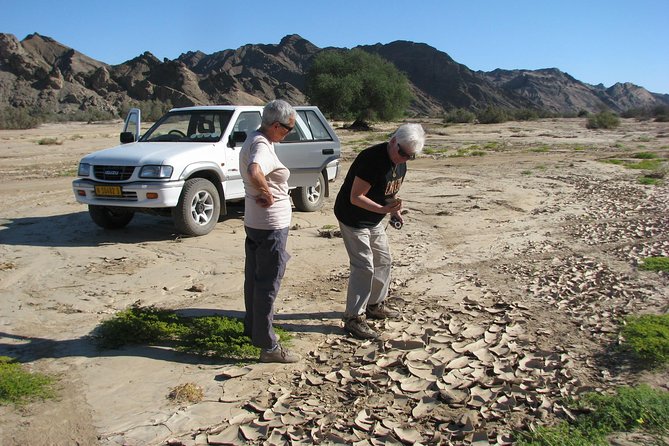
After lunch, the seven-hour route follows the dry riverbed of the Swakop Valley. Dry does not mean lifeless. The riverbed is lined with Tamarisk, Prosopis, and Ana trees, showing how plants can persist along a watercourse that may appear empty for much of the year.
This portion gives the day a different rhythm. The rocky Namib section is about exposed ground and desert plants. The river valley adds trees, a visible route through the desert, and a sense of how water shapes the area even when no water is flowing.
You pass the oasis of Goanikontes before entering Namib Naukluft Park. The stop is valuable because it adds contrast to the open desert. Instead of seeing only dryness, you see the effect of a more sheltered, water-linked place.
The tour information does not state how long you stop at Goanikontes or whether you walk there. Keep your expectations practical: this is a guided sightseeing route, not a detailed botanical expedition with a fixed number of field stops.
Moon Valley from above
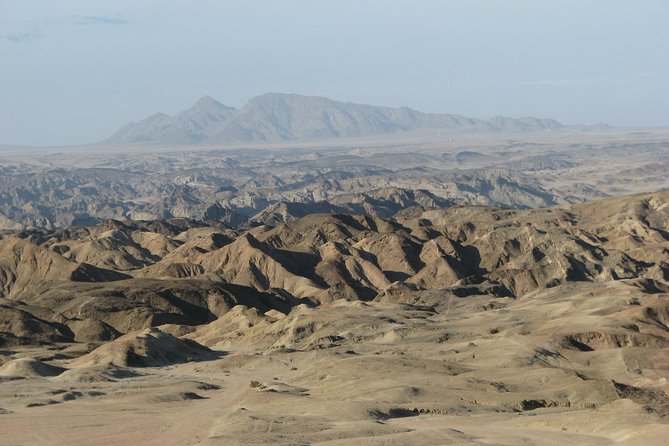
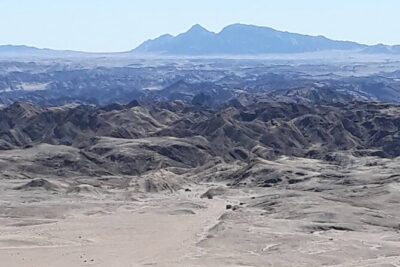
The route continues into the Namib Naukluft Park and offers a view of Moon Valley from a vantage point. The name fits the broken, stark appearance of the Swakop Valley, though the appeal is not just visual drama.
From above, the area gives you a sense of erosion and time. The valley helps connect the guide’s earlier explanation of geology with something you can see directly. The Namib can appear flat from one angle, but the Swakop Valley introduces folds, ridges, and worn rock.
This is one of the best reasons to take the full-day route. You are not simply adding extra driving hours. You are adding a setting that changes how you read the desert.
If photography matters to you, the vantage point should be useful, but the supplied details do not promise a particular viewpoint, lighting condition, or amount of time for photographs. Bring realistic expectations and listen for the guide’s explanation before rushing for pictures.
Finishing among Swakopmund’s shifting dunes
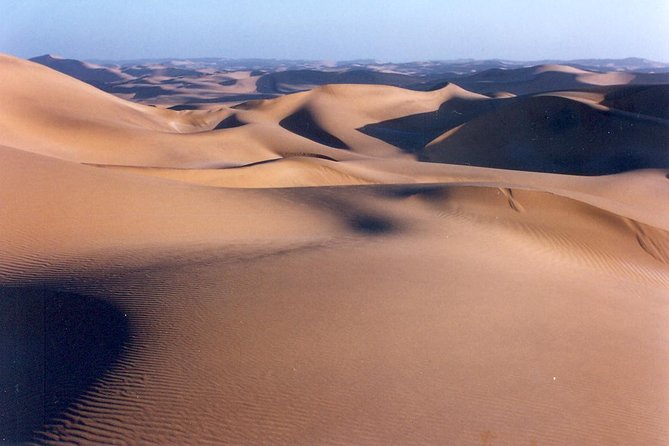
The final stop is at the shifting sand dunes near Swakopmund. After the hard, rocky desert and the dry riverbed, the loose dunes provide a clear visual change.
This ending works well because it brings the tour back toward the town while showing another side of the Namib. You finish with sand shaped by wind rather than with the fixed rock and plant life seen earlier.
The wording describes a visit to the dunes, but it does not specify dune climbing, sandboarding, a hike, or a particular activity. Do not book this expecting an adventure-sports session. Think of it as a final scenic stop within a wider desert tour.
The contrast is the point. On one day, you can see stones, lichens, living-stone plants, a rare Welwitschia, trees along a dry river, a valley viewpoint, and moving sand. That range gives the seven-hour route its strongest value.
What the guide adds to the day
Hans-Dieter receives the clearest praise in the supplied feedback. He is from Swakopmund, has lived in Namibia all his life, and speaks German. His explanations cover the plants, animal life, terrain, history, culture, and politics of Namibia.
That breadth can change the experience from a scenic drive into a more useful introduction to the country. You can ask about more than the next stop. The tour is suited to you if you want the desert connected to local life and national context.
The information also describes him as kind, competent, and informative. I would place the greatest weight on the specificity of his role: he explains what you are seeing instead of simply driving you to it.
If you need an English-only guide, the supplied information does not state the full language options. Hans-Dieter is specifically identified as German-speaking, so confirm language arrangements with the operator before booking if this is important to you.
Is $75.16 a fair price?
At $75.16 per person, the tour sits in a reasonable range for a small-group full-day desert outing. You are paying for roughly seven hours, transport from Swakopmund, a guide, several distinct stops, entry into the described park area, and a picnic lunch on the longer route.
The price looks strongest when you choose the full-day version. You see more ground and receive the lunch break, while the group remains limited to seven. A larger vehicle tour might cost less per person, but it would not offer the same small-group setting.
The four-hour version may suit a tighter budget or schedule, but the supplied price is listed for the experience generally rather than separately for each duration. Confirm the exact price for your selected option before payment.
The tour is often booked well ahead, with an average booking time of 65 days in advance. That does not prove every date sells out, but it is a useful planning signal. If this is a priority in Swakopmund, do not leave it until the last minute.
Who should book this Namib Desert tour?
I would choose the seven-hour route if you want a calm, informative day with broad scenery and a guide who explains the details. It is particularly suitable for first-time visitors to the Namib, plant lovers, photographers, and anyone who wants more context than a short drive to the dunes can provide.
The four-hour version makes sense if you have only part of a day, do not need lunch included, or want to focus on the rocky desert, plants, stones, and possible wildlife. You should accept that it does not include the longer Swakop River section or the final sequence of stops described for the full-day trip.
This may not be the right choice if you want a physically demanding hike, guaranteed animal sightings, or a dedicated sand activity. Those features are not part of the stated program.
Free cancellation is available if you cancel at least 24 hours before the local start time. Changes or cancellations inside that window are not refunded, and the tour requires a minimum number of participants. If the operator cancels because that minimum is not reached, you are offered another date or experience, or a full refund.
Should you book it?
Book this tour if you want the Namib explained as well as seen. The best reasons are the small group, the Welwitschia and Lithops stops, the unusual Ringing Stones, the dry Swakop Valley, Moon Valley, and Hans-Dieter’s local knowledge.
Choose the seven-hour outing if you can spare the time. The picnic lunch and wider route make the price easier to justify, and the changing scenery keeps the day from feeling repetitive. Choose four hours only when your schedule demands it or you prefer a shorter desert visit.
FAQ
Where does the tour start?
The meeting point is Farmhouse Deli on The Mole in Swakopmund, Namibia. Pickup is also offered.
What time does the tour begin?
The stated start time is 9:00 am.
How long does the tour last?
The experience lasts approximately four to seven hours. The full-day tour takes about seven hours, while the shorter option takes about four hours.
What is included in the seven-hour tour?
The seven-hour route includes the Namib Desert, Ringing Stones, Lithops, lichens, Welwitschia plants, the Swakop Valley, Goanikontes, a view of Moon Valley, shifting dunes near Swakopmund, and a lunch break.
Does the four-hour tour include lunch?
No. The four-hour Desert Tour follows a shorter route and does not include a lunch break.
How many people can join the tour?
The activity has a maximum of seven participants.
Can I cancel for a full refund?
Yes. You can cancel at least 24 hours before the experience starts for a full refund. Cancellations or changes made less than 24 hours before the start time are not refunded or accepted.
More Full-Day in Swakopmund
- Walvis Bay: Kayaking and Sandwich Harbour Full-Day Tour
★ 4.8 · 105 reviews - Sandwich Harbour & Pelican Point Full Day Tour
★ 5.0 · 27 reviews - Sandwich Harbour Full Day Excursion
★ 4.5 · 17 reviews - Sandwich Harbour Full Day 4×4 Adventure
★ 5.0 · 15 reviews
Just added around Swakopmund
- Walvis Bay Shore Excursion: Flamingos, Dune 7, Swakopmund★ 5.0 · 3 reviews
- Unforgettable Half Day Adventure, Explore Sandwich Harbour★ 5.0 · 3 reviews
- Swakopmund Explorer Township Tour in Mondesa with Nande the Township Local Guide★ 5.0 · 4 reviews
- Walvisbay Dune 7 and Swakopmund Town Half Day Guided Tour★ 4.0 · 4 reviews
- Half Day Swakopmund Cultural Historical Township Tour★ 5.0 · 4 reviews
- Spitzkoppe – Day Tour to the Spitzkoppe Mountain from Swakopmund★ 5.0 · 3 reviews
- Full-Day Tour in Namib Desert from Swakopmund, Namibia★ 5.0 · 3 reviews
- 3-Day Scenic Sossusvlei Adventure in Namibia from Swakopmund★ 5.0 · 5 reviews
Namib Desert Tours, compared.
Cruise liner Special: Swakopmund and Namib Desert Highlights
Read our review →Cruise liner special: Swakopmund and Namib Desert Highlight Tour
Read our review →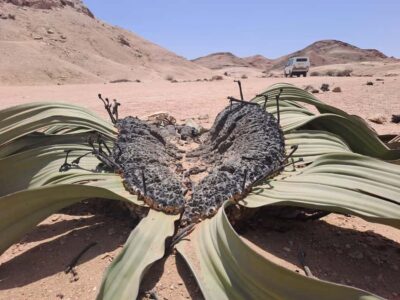
Full-Day Tour in Namib Desert from Swakopmund, Namibia
Read our review →Browse the lists this tour appears in