
Reviewed · WINDHOEK TOWNSHIP TOURS
Half Day Swakopmund Cultural Historical Township Tour
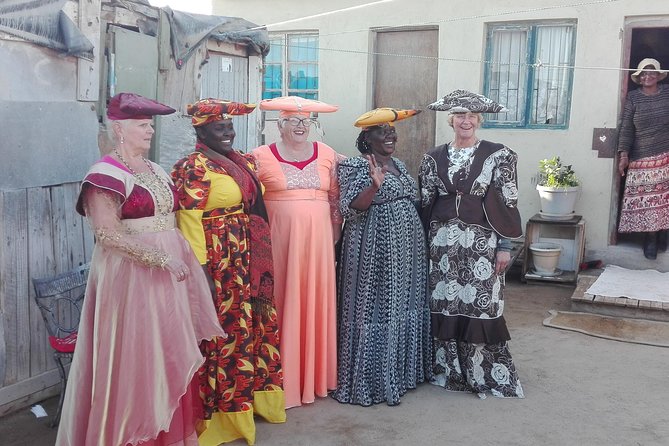
Swakopmund’s Mondesa township gives you a very different view of Namibia from the town’s German colonial streets and seaside hotels. This three-hour walk brings you into local neighborhoods, where your guide explains how Mondesa and the Democratic Resettlement Community developed, introduces you to residents, and translates the cultural details that are easy to miss on your own.
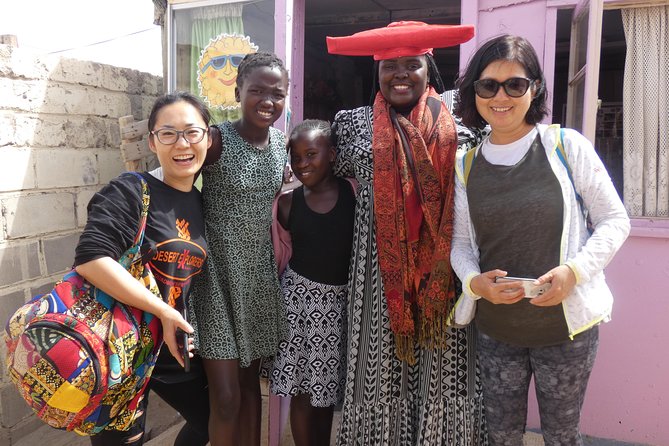
I like the personal scale and the food. You meet people rather than simply taking photographs of buildings, and the traditional tasting, local beer, mopane worms, and two-course meal give the visit a real social setting. I also like that guides such as Theo, Constance, and Nande are singled out for clear storytelling and strong local knowledge.
The main consideration is that this is a walking tour through an active residential community, not a polished museum visit. You need moderate fitness, a willingness to listen, and respect for local people. The non-refundable booking policy also calls for care when choosing your date.
Key points at a glance
- Mondesa and the DRC: Learn how two Swakopmund communities developed and how daily life differs from the resort center.
- Local guides: Theo, Constance, and Nande have led guests through the area, explaining history, language, and tribal traditions.
- Namibian food: Try traditional fare, including local specialties such as mopane worms, with a two-course lunch or dinner included.
- Cultural introductions: Hear about Ovambo, Damara, Herero, and Ovahimba people, with translations and explanations from your guide.
- Small-group feel: The activity is private, so only your group participates, although the booking limit allows up to 100 people.
- Simple logistics: Hotel pickup, drop-off, bottled water, and a mobile ticket are included.
Why Mondesa offers a fuller view of Swakopmund

Swakopmund is often presented through its German buildings, cafés, adventure sports, and Atlantic setting. Those are worthwhile, but they tell only part of the town’s story. Mondesa and the Democratic Resettlement Community show you the social side of Swakopmund, including the neighborhoods where many local families live and work.
The tour focuses on people. You walk the streets with a guide who can explain what you are seeing, introduce local customs, and translate when needed. That matters because a township visit without context can become a quick drive past homes. Here, the stated aim is to create conversation and understanding rather than a simple sightseeing loop.
You may hear children playing, see sidewalk barbecues, and visit places where residents gather for food and drinks. These details help you understand the township as a lived-in community, not as a backdrop for photographs. Your guide also introduces the idea of Ubuntu, a term connected with human kindness, community, and shared humanity.
The tour also touches on Namibia’s different cultural groups. You can learn about Ovambo, Damara, Herero, and Ovahimba traditions, rather than treating Namibian culture as one single thing. That broader view is one of the strongest reasons to choose this experience.
More Windhoek Township Tours in Swakopmund
- Swakopmund: Mondesa Township Day Tour Experience
★ 3.8 · 25 reviews - Swakopmund Best Cultural Historical Township Tours Namibia
★ 5.0 · 8 reviews - Explorer Historical Private Township Cultural Tours
★ 4.0 · 6 reviews
Walking through Mondesa with a local guide
The tour begins at 10:00 in Swakopmund and lasts about three hours. Pickup and drop-off are included, so you do not need to find your way to an unfamiliar neighborhood. The exact walking route can vary, but the central stop is a guided visit through Mondesa and the DRC.
Guides bring different personalities to the experience. Theo has been described as an especially clear storyteller when explaining how Mondesa and the DRC developed over time. Constance is a strong choice for travelers who want help understanding Namibia’s wider culture and society. Nande handles pickup and communication and has also guided people through a local open-air setting.
You should expect explanation as you walk, not a formal lecture delivered from one fixed point. Your guide may point out community features, explain local history, introduce objects or customs, and help you speak with residents. The value lies in having someone present who can connect the visible details with the story behind them.
That guidance is important for good manners. A local guide can explain when photographs are appropriate, how to approach people, and which questions are welcome. You still need to behave thoughtfully. Ask before taking close-up pictures, listen more than you speak, and remember that people live here year-round.
The tour is listed as private, meaning only your group participates. That gives you more room to ask questions than a large coach tour would. The maximum booking size is stated as 100 people, so if you are booking for a large organization, confirm the practical group arrangement before paying.
The DRC and the story behind the neighborhoods
The Democratic Resettlement Community is not simply another stop on a sightseeing map. The guide explains how it and Mondesa developed over the years, giving you a better sense of why the communities exist and how they fit into Swakopmund.
The supplied details do not provide a full historical timeline, so you should not expect a museum-level chronology. Instead, the experience gives you local interpretation while you are standing in the places being discussed. That often makes the story easier to grasp than reading a few dates on a sign.
This is also where the tour moves beyond the tourist center. You see an area shaped by ordinary routines, housing, food, language, and community ties. If you want only major landmarks, this visit may feel less focused. If you want to understand how Namibians actually live outside the hotel and souvenir-shop circuit, it is a useful addition to your Swakopmund plans.
The tour’s tone is best suited to curious, respectful people. It is not designed to turn hardship into entertainment. Your guide’s role is to provide context and help you meet people in a responsible way. The experience works best when you treat the community as a place to learn from, not a spectacle.
Meeting people and learning several Namibian cultures
One of the most valuable parts of the morning is the chance to meet local residents. The tour description places these encounters at the center of the experience, and the guide helps bridge language and cultural gaps.
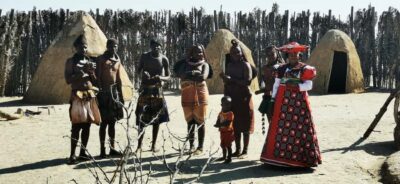
You learn about the Ovambo, Damara, Herero, and Ovahimba people. These groups have distinct traditions, histories, and languages, and the guide can explain some of those differences in a way that is easier to follow during a personal conversation.
The Damara and Herero focus is especially relevant to the Swakopmund area, but the tour does not limit the discussion to just two groups. The inclusion of Ovambo and Ovahimba people gives you a wider introduction to Namibia’s cultural makeup.
Language is part of the fun. You may learn to say Uuharapo and hear about the click language associated with Damara culture. The guide’s translations are useful here because pronunciation and meaning can be hard to understand from a printed page.
Keep your expectations sensible. This is a three-hour introduction, not a full anthropology course. You will come away with a clearer sense of cultural variety and local life, but you will not cover every tradition or region in Namibia.
Same desert coast, a completely different day out:
- Walvis Bay: Marine Big 5 Luxury Catamaran Tour
★ 4.8 · 1,012 reviews - Swakopmund: Desert Dunes Quad Biking with Optional Sandboard
★ 4.9 · 590 reviews - Walvis Bay and Sandwich Harbour Tour
★ 4.8 · 483 reviews - Scenic Sandwich Harbour Tour
★ 5.0 · 277 reviews
Food, mopane worms, and a local bar

Food gives the visit a social anchor. A local bar and restaurant are included, along with traditional food tasting and a two-course lunch or dinner. Bottled water is also provided.
The food may include local mopane worms, a well-known regional specialty. This is not a challenge designed to shock you. It is a chance to encounter an ingredient that may be unfamiliar and to ask how it fits into local food traditions.
You do not have to pretend that every taste is your favorite. A good cultural meal gives you room to be curious, ask questions, and try what you feel comfortable trying. The two-course meal adds real value to the $51.29 price because you are paying for more than transport and commentary.
The bar stop also changes the mood. Instead of seeing a neighborhood only in daylight from a vehicle, you spend time in a place where people gather. It can help you understand how food, drink, conversation, and community overlap.
The exact menu is not specified, so do not book this expecting a particular dish. If you have allergies, dietary restrictions, or strong food preferences, ask the provider before the tour. The included food is traditional tasting and a two-course meal, but no special menu is promised.
What the $51.29 price really covers
At $51.29 per person, the price is fair if you value local access and interpretation. You receive about three hours with a guide, hotel pickup and drop-off, bottled water, traditional food tasting, and a two-course meal. Buying transport, a meal, and a private local introduction separately could easily take more planning.
The best value comes from the guide. Without a local interpreter, you could walk through Mondesa and see homes, food stalls, and gathering places without understanding how they connect to the township’s past and present. The guide turns ordinary details into useful information.
The price is less compelling if you want a broad list of Swakopmund attractions. This tour does not center on the town’s colonial buildings, desert activities, or coastal scenery. It is a focused cultural visit, and its value depends on your interest in community life.
Pickup adds convenience, particularly if you are staying in central Swakopmund and want to avoid arranging a taxi. The meeting and ending point are in Swakopmund, and the activity returns to the meeting point after the tour.
The tour is booked, on average, 23 days ahead. That suggests you should reserve early if it fits a fixed Namibia itinerary, especially since there are limited cultural-tour options in many destinations.
Timing, fitness, and practical comfort

The scheduled start is 10:00 am, with a duration of roughly three hours. That leaves the afternoon open for other Swakopmund plans, including a meal, rest, or another activity.
You need moderate physical fitness. The experience involves walking through the township, so comfortable shoes and practical clothing make sense. The information provided does not give a precise walking distance or accessibility details, so ask the provider if you have mobility concerns.
A mobile ticket is accepted, and confirmation is received when you book. Hotel pickup and drop-off are included, which keeps the morning straightforward.
Weather matters. The activity requires good conditions, and poor weather can lead to cancellation. In that case, you are offered another date or a full refund. The same applies if the minimum number of participants is not met.
The standard cancellation rule is strict: the experience is non-refundable and cannot be changed for any reason. Since the tour is booked well in advance by many people, check your schedule carefully before committing.
Who will enjoy this township visit most
I would choose this tour if you want to meet people, ask questions, and understand more of Namibia than you can from a hotel district. It suits first-time visitors who want a guided introduction to local culture without spending a full day away from Swakopmund.
It is also a good fit for families with older children, couples, photographers who value human stories, and anyone interested in food and language. The private format gives your group a more personal setting, and the meal helps keep the experience relaxed.
You may prefer another activity if you dislike walking, want a tightly timed sightseeing list, or feel uncomfortable visiting residential communities. The tour asks you to be open-minded and attentive. It is not a passive ride where everything is presented for quick viewing.
For photographers, the main reward is context rather than guaranteed photo opportunities. Ask permission before taking pictures, and let the guide set the tone for encounters. A respectful conversation is more important than getting a dramatic image.
Should you book the Mondesa tour?
Book it if your goal is to see a human side of Swakopmund and learn how several Namibian cultures connect with life in the town. The strongest features are the personal guides, the walk through Mondesa and the DRC, and the meal at a local bar or restaurant.
The tour is particularly worthwhile early in your Namibia trip because it can give later visits more meaning. You will have a better frame for understanding the country’s cultural variety, local food, and community life.
Skip it if you want monuments, wildlife, or desert scenery. Also think twice if a strict non-refundable policy creates too much risk for your schedule. For the right visitor, though, $51.29 buys a direct, grounded introduction to Swakopmund that a standard town tour rarely provides.
FAQ
Where does the tour take place?
The activity takes place in Swakopmund, including the community of Mondesa and the Democratic Resettlement Community.
How long does the tour last?
The tour lasts approximately three hours.
What time does the tour start?
The scheduled start time is 10:00 am.
Is hotel pickup included?
Yes. Hotel pickup and drop-off are included, and the activity ends back at the meeting point.
Is this a private tour?
Yes. It is listed as a private activity, so only your group participates.
What food is included?
Traditional food tasting and a two-course lunch or dinner are included. The experience may include local specialties such as mopane worms.
Is bottled water provided?
Yes. Bottled water is included.
Which Namibian cultures are discussed?
The guide discusses Ovambo, Damara, Herero, and Ovahimba people and cultures.
How fit do I need to be?
You should have a moderate level of physical fitness because the experience involves walking through the township.
Can I cancel for a refund?
The experience is normally non-refundable and cannot be changed. If poor weather causes cancellation, or if the minimum number of participants is not met, you are offered another date or a full refund.
More Historical Tours in Swakopmund
- City Tour of Historical Swakopmund
★ 5.0 · 8 reviews - Half-Day Windhoek City and Township Cultural Tour
★ 4.5 · 187 reviews - From Walvis Bay: Sandwich Harbour World Heritage Site
★ 4.8 · 134 reviews - Etosha National Park: Himba Village Cultural Tour
★ 4.5 · 6 reviews
Just added around Swakopmund
- Walvis Bay Shore Excursion: Flamingos, Dune 7, Swakopmund★ 5.0 · 3 reviews
- Unforgettable Half Day Adventure, Explore Sandwich Harbour★ 5.0 · 3 reviews
- Swakopmund Explorer Township Tour in Mondesa with Nande the Township Local Guide★ 5.0 · 4 reviews
- Walvisbay Dune 7 and Swakopmund Town Half Day Guided Tour★ 4.0 · 4 reviews
- Spitzkoppe – Day Tour to the Spitzkoppe Mountain from Swakopmund★ 5.0 · 3 reviews
- Full-Day Tour in Namib Desert from Swakopmund, Namibia★ 5.0 · 3 reviews
- 2h30min Explorer Quad Bike Tour★ 5.0 · 6 reviews
- 3-Day Scenic Sossusvlei Adventure in Namibia from Swakopmund★ 5.0 · 5 reviews
Windhoek Township Tours, compared.
Half-Day Windhoek City and Township Cultural Tour
Read our review →
Katutura Tour – Experience Genuine Namibian Life
Read our review →
Swakopmund Best Cultural Historical Township Tours Namibia
Read our review →Browse the lists this tour appears in