
Reviewed · PELICAN POINT TOURS
Pelican Point Peninsula Tour
Pelican Point is where Walvis Bay’s calm lagoon meets the open Atlantic, and this 3-hour tour takes you right to that meeting point. Along the way, you’ll pass flamingoes, salt works, a shipwreck, an old jetty, and a lighthouse before reaching a huge Cape Fur Seal colony.
I like the variety packed into three hours. You get birds, industry, local history, and a proper off-road ride rather than one long drive to a single viewpoint. I also like the chance to see the peninsula from both sides, with the lagoon on one side and the Atlantic Ocean on the other.
The main consideration is the starting point. The tour begins at the Walvis Bay waterfront, so you’ll need to arrange your own way there unless you are staying in Swakopmund and add the N$100 per person transfer. Loose sand and strong coastal sun also make sensible clothing and sun protection important.
Key points to know before you book
- A 3-hour route with plenty of variety: Birdlife, salt production, old coastal structures, seals, and an off-road drive all fit into one morning or afternoon.
- Walvis Bay lagoon comes first: Expect flamingoes, pelicans, avocets, photo stops, and an introduction to one of southern Africa’s important wetland areas.
- The salt refinery adds a working-coast angle: You’ll hear how salt is produced at the large solar salt operation rather than seeing only natural scenery.
- Pelican Point is reached by 4×4: The drive crosses deep, loose sand, giving the outing a more adventurous feel than a standard sightseeing transfer.
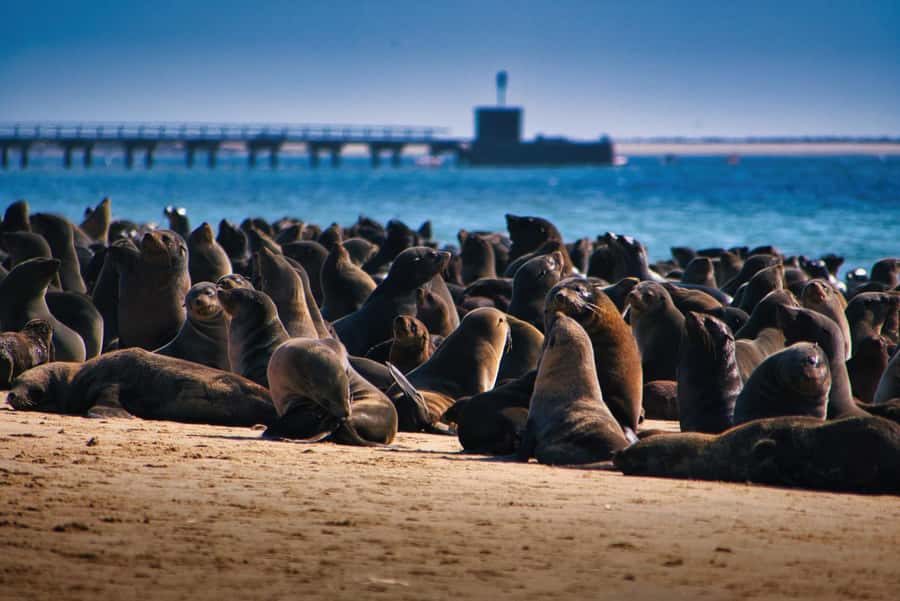
- The seal colony is the main event: The peninsula is home to about 100,000 Cape Fur Seals, with time to watch seals and birds near the tip.
- The price includes useful basics: At $130 per person, permits and refreshments are included, while Swakopmund pickup costs an additional N$100 per person.
From Walvis Bay waterfront to the lagoon
Your tour begins at the Walvis Bay waterfront with a short briefing. This is a useful start because the day includes several different settings, from wetland bird habitat to open sand and the exposed Atlantic coast.
I like the order of the route. The lagoon comes first, when you are fresh and ready to stop for photographs. It also gives you a clear sense of the area’s geography before the vehicle heads farther out toward Pelican Point.
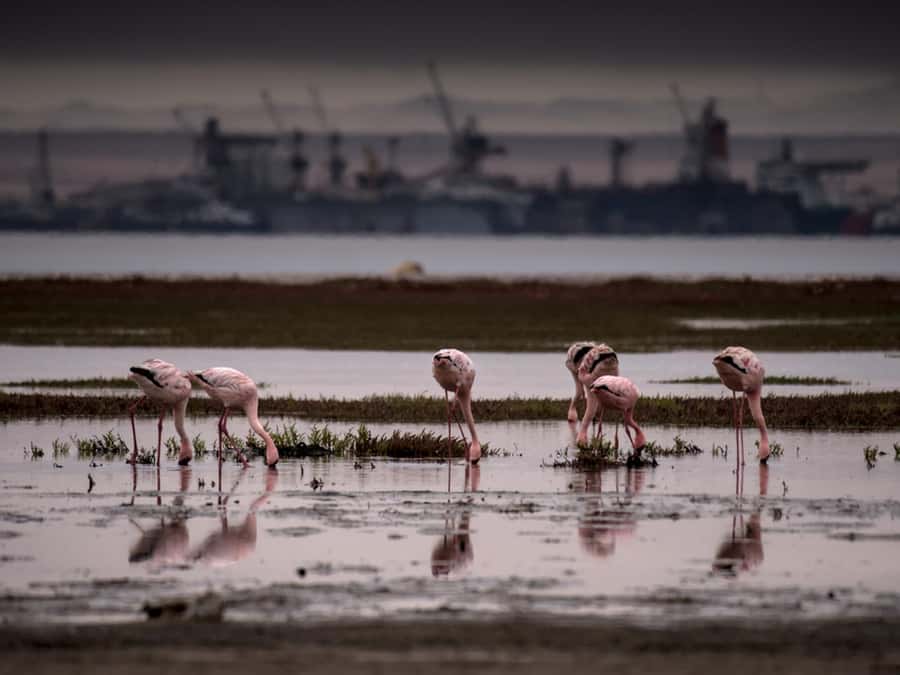
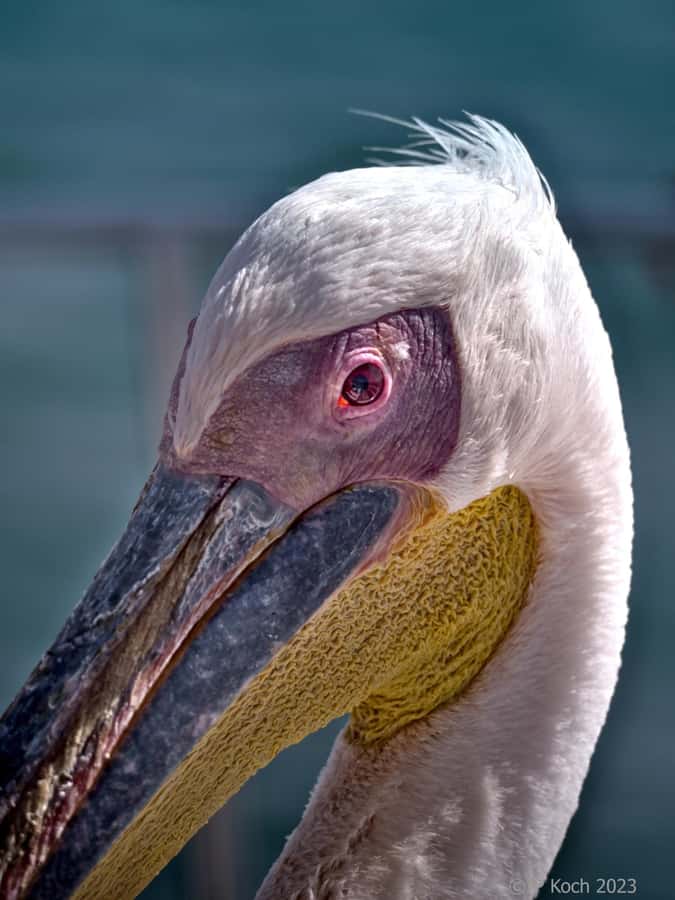
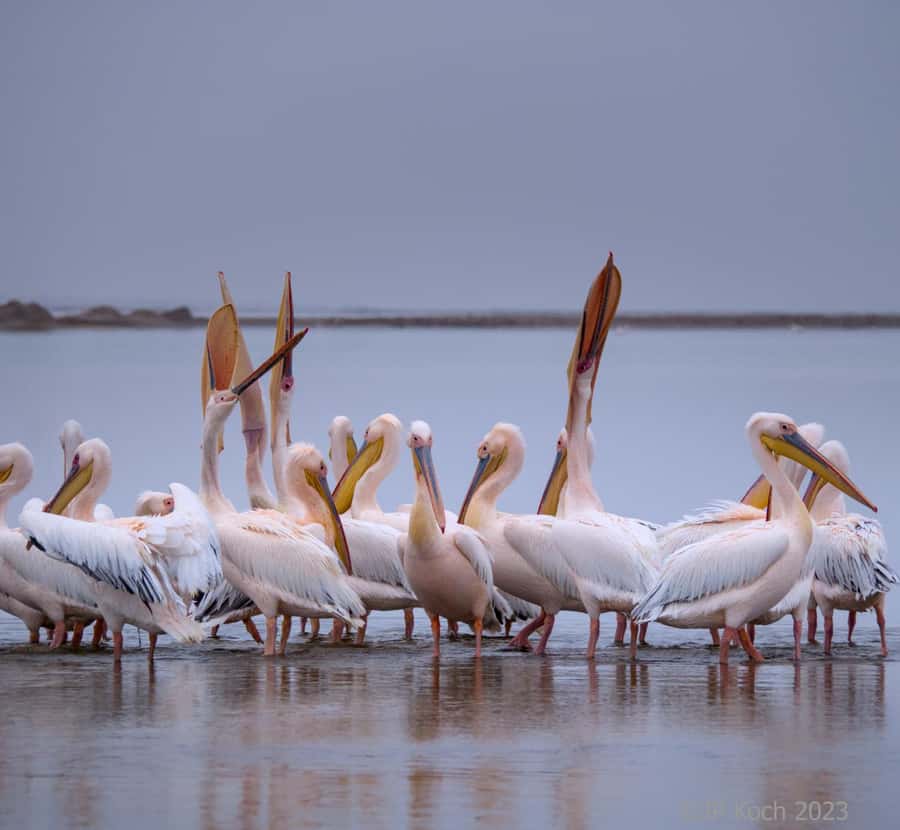
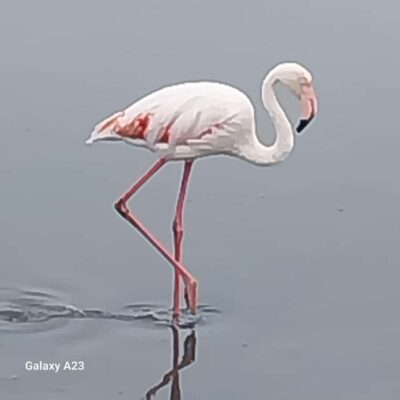
Walvis Bay lagoon is regarded as one of southern Africa’s important lagoons. Its shallow waters support hundreds of flamingoes, along with pelicans and avocets. You should allow yourself time to look carefully rather than simply taking a quick picture and climbing back into the vehicle.
The birds are a major reason to bring a camera. Flamingoes can make the shoreline feel almost otherworldly, while pelicans and avocets add different shapes and movement to the scene. The exact number and closeness of birds can vary, so I would treat the lagoon as a good wildlife stop, not a guaranteed close-up photo session.
The guide provides information about the lagoon during the stop. That matters because the view is more meaningful when you understand that this is not just a pretty stretch of water. It is an important feeding and resting area for birdlife on the Namibian coast.
More pelican point tours in Swakopmund:
- Pelican Point Kayaking Half-Day Tour
★ 5.0 · 349 reviews - Walvis Bay: Pelican Point Kayaking Tour
★ 4.7 · 171 reviews - Half Day Original Seal Kayak Adventure, Pelican Point, Walvis Bay
★ 5.0 · 56 reviews
The salt refinery shows Walvis Bay at work
The next stop is the Walvis Bay salt refinery, described as the largest solar production plant in Africa. Here, you’ll learn about the production process and see a very different side of the coast.
This stop gives the tour useful balance. The lagoon is natural and full of birds, while the salt works show how people use the area’s sun, water, and coastal conditions for industry. You are not simply being driven from one scenic point to another. You are also getting a glimpse of how Walvis Bay functions.
I especially like this part for visitors who want more context than a wildlife checklist. Salt refining is not always what people expect on a coastal excursion, but it helps explain the broad, open setting around the bay.
The supplied details do not specify how long you spend at the refinery or how close you get to the working areas. Plan to listen to the explanation and view the operation as part of the route, rather than expecting a lengthy plant tour.
The 4×4 run across deep, loose sand

After the salt refinery, the tone changes. You’ll head into deep, loose sand in a 4×4 vehicle, following the peninsula toward its older coastal landmarks and lighthouse.
This is the part that gives the outing its off-road character. A normal road transfer can get you to a destination, but a sandy route makes the journey part of the experience. You’ll feel that Pelican Point is a narrow, exposed place reached by conditions that call for a proper four-wheel-drive vehicle.
I would wear comfortable shoes and clothes that can handle sand. Sunglasses are also useful, both for the bright sun and for blowing sand. The tour information does not give a detailed ride description or promise a particular level of bumpiness, so you should expect an off-road drive without assuming it will be a high-speed adventure ride.
The 4×4 section is also a reason to think about personal comfort. If you prefer smooth paved roads and structured sightseeing, this may feel rougher than you want. If you like seeing places that require a little effort to reach, the sandy route adds real appeal.
Shipwrecks, an old jetty, and the Pelican Point lighthouse
The drive includes a stop to see a shipwreck and the remains of an old jetty. These weathered structures give the peninsula a strong sense of time and place without requiring a long historical tour.
The coast here is not presented as a polished resort setting. You’ll see traces of older activity alongside sand, ocean, birds, and seals. That mixture makes the stop worthwhile for photographers and for anyone who enjoys the less tidy side of coastal history.
As you approach the lighthouse, your guide explains more about the landmark. The information supplied does not name the lighthouse or give its construction date, so I would not book this expecting a detailed architectural history. Think of it as a concise local-history stop within a broader nature and 4×4 tour.
The lighthouse also helps you understand where you are. By this stage, you are nearing the tip of the peninsula, with Walvis Bay lagoon on one side and the Atlantic Ocean on the other. Few short tours offer such a clear contrast between sheltered water and open sea.
Same desert coast, a completely different day out:
- Walvis Bay: Marine Big 5 Luxury Catamaran Tour
★ 4.8 · 1,012 reviews - Swakopmund: Desert Dunes Quad Biking with Optional Sandboard
★ 4.9 · 590 reviews - Walvis Bay and Sandwich Harbour Tour
★ 4.8 · 483 reviews - Scenic Sandwich Harbour Tour
★ 5.0 · 277 reviews
Reaching the peninsula tip and the seal colony
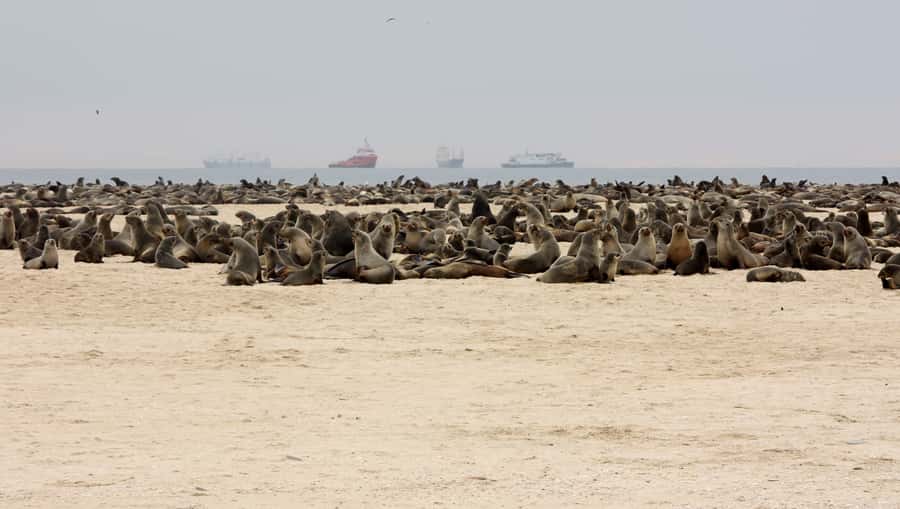
The final main stop is the tip of Pelican Point, where the two bodies of water meet around the narrow peninsula. This is where the tour’s different parts come together: the lagoon, the Atlantic, the sand, the birdlife, and the seals.
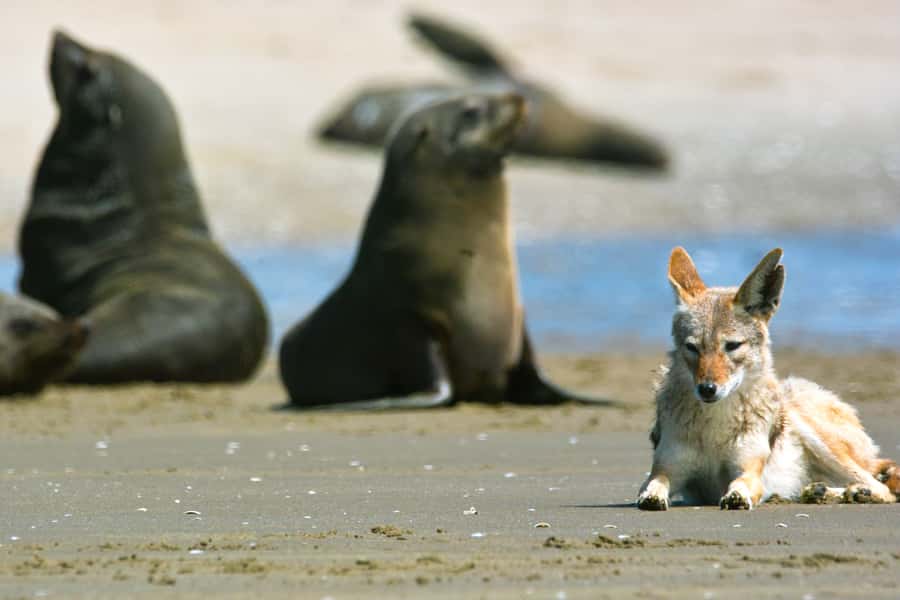
The peninsula is home to about 100,000 Cape Fur Seals. That number tells you what kind of setting to expect. This is not a single-animal sighting beside a quiet rock. It is a major colony, with seals and birds forming the main living presence at the end of the route.
You’ll have a break with refreshments and some free time to watch the seals and birds. I like having this unscripted period in the plan. After several guided stops, you get a chance to slow down, take photographs, and pay attention to the sounds and movement around the colony.
The information does not state how close the vehicle gets to the seals, nor does it promise particular animal behavior. Keep expectations sensible. You may see a great deal of activity, but wildlife is unpredictable, and your best experience will come from observing patiently rather than demanding a perfect photograph.
The seal colony may be the strongest reason to choose this tour over a simple lagoon visit. You get the birds at Walvis Bay, but you also reach a more remote coastal setting where the seals dominate the scene.
How the tour guide affects the experience
The provider is Red Dune Safaris Namibia, and tours are offered in English and Afrikaans. The supplied feedback gives one clear point about the guide: Monika praised the guide’s open, accessible manner and willingness to respond to questions and requests, giving the experience ten out of ten.
That is important on a tour like this. The route includes several stops, but the quality of the day depends on how clearly the guide explains what you are seeing and how well the group’s questions are handled. A guide who listens can make the salt works, lighthouse, and lagoon feel connected rather than like unrelated stops.
No guide name is provided in the tour information, so I would not expect to request a particular person when booking. What you can reasonably look for is a guide who explains the route, answers questions, and helps you make good use of the photo stops and free time.
What the $130 price gives you
The price is $130 per person. That is not a casual add-on for a quick viewpoint, but it covers a substantial half-day outing with permits and refreshments included.
For the price, you are paying for more than transport. The package combines a wetland stop, a salt-production explanation, an off-road vehicle journey, several coastal points of interest, and time beside a very large seal colony. Permits are also included, which is useful when visiting a protected or controlled coastal area.
Value depends on what you want from Walvis Bay. If your priority is only to see flamingoes, a shorter lagoon visit may be enough. If you want the lagoon, the industrial setting, the old coastal remains, and Pelican Point in one organized route, the price is easier to justify.
The extra transfer charge matters. Pickup and drop-off from Swakopmund are not included, and the listed cost is N$100 per person. If you are already in Walvis Bay, the tour’s waterfront meeting point keeps the arrangement simpler. If you are based in Swakopmund, add that amount to your budget and confirm the transfer details when booking.
The tour includes refreshments, but no meal is listed. Plan your food around the three-hour duration rather than expecting lunch to be provided.
Timing, clothing, and practical preparation
The tour lasts three hours, which makes it easy to fit into a day of sightseeing around Walvis Bay or Swakopmund. The exact departure time is not provided, so check the available schedule before arranging other activities.
Wear comfortable shoes. You may spend time around sand, coastal ruins, and the 4×4 vehicle, so footwear meant for a formal town walk is less useful than something practical.
Bring a sun hat, sunglasses, and a camera. The coastal light can be strong, and there is no promise of shade at the lagoon, refinery, lighthouse, or peninsula tip. Refreshments are supplied, but I would still plan your personal water and food needs according to your day’s schedule, since the included items are not described in detail.
English and Afrikaans are the available languages. If you need another language, the supplied information does not confirm that it can be arranged.
The tour begins and ends at the Walvis Bay waterfront unless you add the Swakopmund transfer. That meeting point is one of the most important details to check before paying, especially if you are staying outside Walvis Bay.
You can reserve now and pay later, which helps if you are building a Namibia itinerary with several moving parts. Cancellation is allowed up to 24 hours before the tour for a full refund. Those terms give you some useful flexibility, but I would still check the final booking conditions before confirming.
Who will enjoy Pelican Point most
I would recommend this tour to you if you want several types of scenery in a short outing. It suits people who like wildlife but also want to understand local industry and see traces of older coastal activity.
Birdwatchers should appreciate the lagoon stop, especially if flamingoes, pelicans, and avocets are high on your list. The seal colony gives the tour wider appeal, so you do not need to be a dedicated bird expert to enjoy it.
Photographers get a good mix of subjects: pink flamingoes, white pelicans, old structures, a lighthouse, sand, surf, seals, and the strong contrast between lagoon and ocean. Bring a camera, but remember that the tour does not guarantee close wildlife encounters or a particular light condition.
The outing also works well for someone with limited time in Walvis Bay. Three hours is long enough to reach Pelican Point and short enough to leave room for other plans. The drawback is that each stop must fit into that compact schedule, so this is not the right choice if you want long, quiet periods at every location.
I would think twice if you dislike loose sand, off-road travel, or exposed coastal conditions. The tour’s appeal comes partly from reaching a remote peninsula by 4×4, so those features are central rather than minor details.
Should you book this Pelican Point tour?
Book it if you want a well-packed coastal outing with birds, seals, salt works, and off-road travel in one route. The combination is the strongest part of the experience, and the tip of the peninsula offers a memorable contrast between Walvis Bay lagoon and the Atlantic Ocean.
The $130 price makes the most sense if you value a guided route, included permits, refreshments, and access to Pelican Point rather than simply a drive around town. Add N$100 per person if you need pickup and drop-off from Swakopmund.
I would skip it only if your schedule allows for a very short lagoon stop, or if deep sand and a 4×4 ride sound unpleasant. For most people who want to see the wider Walvis Bay coast in three hours, Red Dune Safaris Namibia offers a practical and varied choice.
FAQ
How long is the Pelican Point Peninsula Tour?
The tour lasts three hours.
Where does the tour begin and end?
The tour begins at the Walvis Bay waterfront and ends there after the visit to Pelican Point.
Is hotel pickup from Swakopmund included?
No. Pickup and drop-off from Swakopmund cost N$100 per person and are not included in the main tour price.
What wildlife can I see?
At Walvis Bay lagoon, you can see flamingoes, pelicans, and avocets. At Pelican Point, you can watch Cape Fur Seals and birds, with the colony estimated at about 100,000 seals.
Does the tour include an off-road drive?
Yes. The route includes a 4×4 drive across deep, loose sand on the way to Pelican Point.
Are permits and refreshments included?
Yes. Permits and refreshments are included in the tour price.
What languages are available?
The tour is available in English and Afrikaans.
Just added around Swakopmund
- Walvis Bay Shore Excursion: Flamingos, Dune 7, Swakopmund★ 5.0 · 3 reviews
- Unforgettable Half Day Adventure, Explore Sandwich Harbour★ 5.0 · 3 reviews
- Swakopmund Explorer Township Tour in Mondesa with Nande the Township Local Guide★ 5.0 · 4 reviews
- Walvisbay Dune 7 and Swakopmund Town Half Day Guided Tour★ 4.0 · 4 reviews
- Half Day Swakopmund Cultural Historical Township Tour★ 5.0 · 4 reviews
- Spitzkoppe – Day Tour to the Spitzkoppe Mountain from Swakopmund★ 5.0 · 3 reviews
- Full-Day Tour in Namib Desert from Swakopmund, Namibia★ 5.0 · 3 reviews
- 2h30min Explorer Quad Bike Tour★ 5.0 · 6 reviews
Pelican Point Tours, compared.
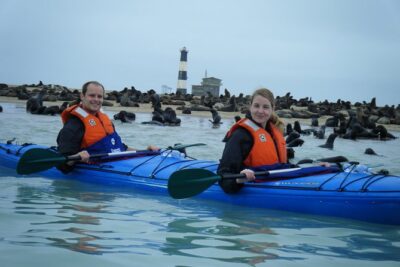
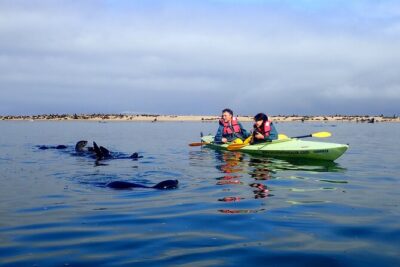
Half Day Original Seal Kayak Adventure, Pelican Point, Walvis Bay
Read our review →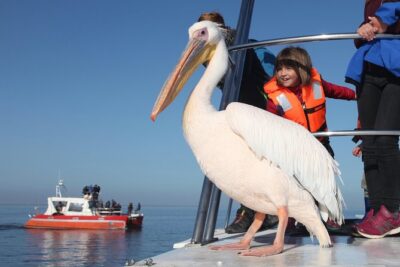
Mola Mola Marine Dolphin Cruise from the Walvis Bay Waterfront to Pelican Point
Read our review →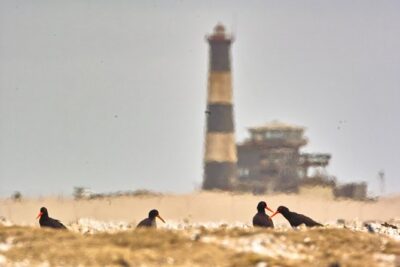
Pelican Point Peninsula Tour- visit the seal colony
Read our review →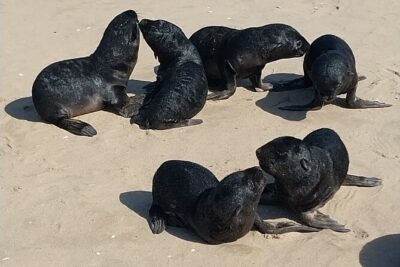
Browse the lists this tour appears in