
Reviewed · CRUISES & BOAT TOURS
Walvis Bay: Marine Big 5 Luxury Catamaran Tour
Walvis Bay’s marine Big 5 cruise mixes wildlife watching with a surprisingly generous lunch at sea. You may spot dolphins racing the bow, seals climbing aboard, or a humpback whale near Pelican Point, then settle in with Namibian oysters and sparkling wine.
I like the easy half-day timing and the relaxed catamaran setting. I also like that guides such as Bertie, Steven, Raymond, and Tu-Tu bring real interest to the animals and local coastline instead of simply pointing and naming species. The main consideration is wildlife: you cannot count on seeing all five animals, and $76 is a fair but not bargain-level price for three and a half hours.
Key points to know before booking
- Cape Fur Seals are the reliable stars: Pelican Point supports about 60,000 resident seals, and some may come close to the boat.
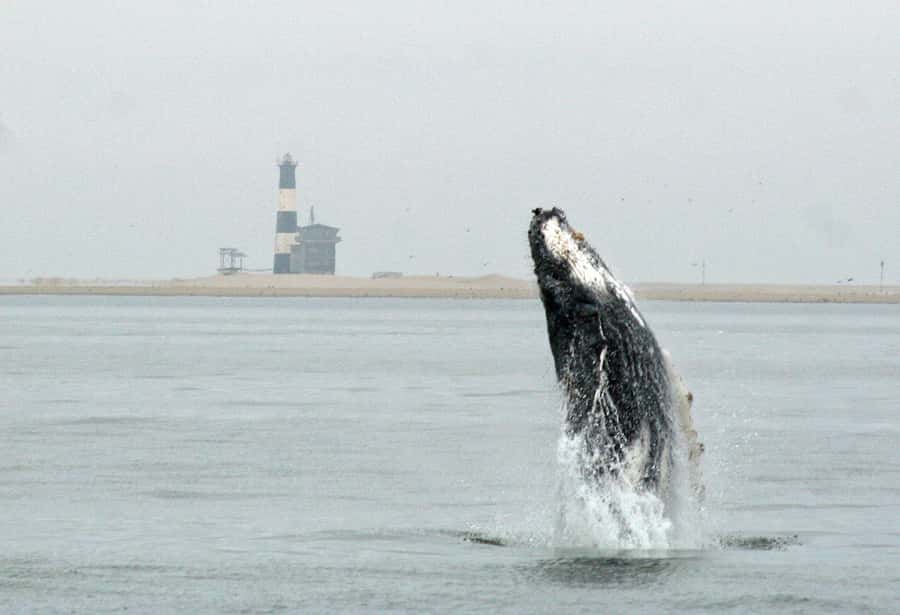
- Whales are seasonal: July through November offers the best chance for Southern Right and Humpback Whales, but sightings remain wild and unpredictable.
- The food is more than a token snack: Fresh Namibian oysters, sparkling wine, beer, soft drinks, savoury bites, and pastries are included.
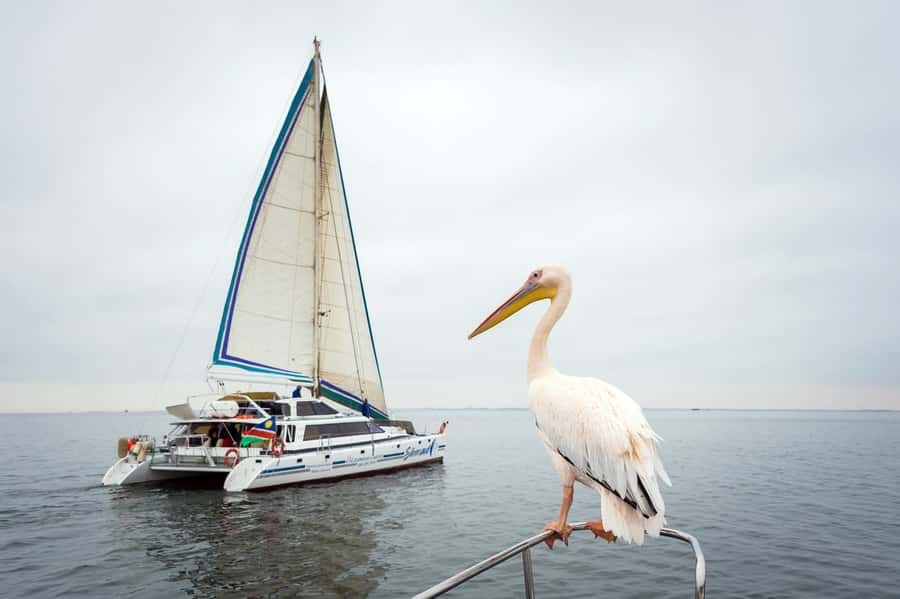
- Pelicans can come aboard: These large birds sometimes approach the catamaran for a fish snack, making close views possible.
- Bring warm clothing: Walvis Bay can feel cool and windy on the water, even when the town feels mild.
- The meeting point is simple: Check in at the small dark blue building near the jetty at the northern end of Walvis Bay Waterfront.
Why this cruise works so well
I see this as a wildlife outing with a strong food-and-comfort component, not a hard-charging expedition. You spend about 210 minutes on the water, with time to watch wildlife, hear about the bay, take photographs, and enjoy the view without feeling rushed from one sighting to the next.
The catamaran gives you room to move around and find a good viewing angle. That matters when a dolphin appears off the bow or a seal surfaces on the other side of the boat. The open-air setting also gives you broad views of Pelican Point, the lighthouse, ships in the bay, seabirds, and the Namibian coast.
The tour has earned a 4.8 rating from more than 1,000 bookings, and I can understand why. The strongest part is not just the chance of seeing a whale. It is the whole package: a well-run departure, a lively guide, close seal and pelican encounters, and a generous spread of food and drinks.
A few more Swakopmund trips to weigh up
- Marine Dune Day: Catamaran Cruise and Sandwich Harbor Dune Drive
★ 5.0 · 10 reviews - Catamaran Dolphin Cruise and Sandwich Harbour Tour
★ 4.8 · 13 reviews
Checking in at Walvis Bay Waterfront
Plan to arrive around 8:30 in the morning. Departure is generally between 8:45 and 9:00, with the catamaran returning at about 12:30.
Look for the small dark blue Catamaran Charters building near the jetty at the northern end of the waterfront. One practical warning: arrival instructions have occasionally varied, so check the latest time in your booking details rather than relying on an older message.
If you arrive by passenger ship, a newer access gate south of the passenger liner terminal leads directly to the waterfront. The walk takes about 10 minutes. Hotel pickup and drop-off are not included, so arrange your own way to the meeting point.
The check-in area has been useful for early arrivals, with a lounge where you can wait and have tea or coffee. Boarding is described as orderly, with safety information given before departure. The activity is listed as wheelchair accessible, though you should still discuss your exact mobility needs with the operator before arrival.
Passing the oyster farms toward Pelican Point
The first part of the route takes you past Walvis Bay’s oyster farms while coffee and tea are served. This is a gentle start, giving you time to get settled and look for birds before the boat reaches the seal colony.
Pelican Point is the first major wildlife focus. Its lighthouse provides an easy landmark, while the surrounding shore supports roughly 60,000 Cape Fur Seals. The colony gives you a strong chance of seeing seals even on a day when whales and dolphins remain out of sight.
Some seals may approach the catamaran, and individual animals have climbed aboard. That is a memorable close-up encounter, but it also means you should follow crew instructions and avoid crowding or touching the animals unless the crew clearly allows it.
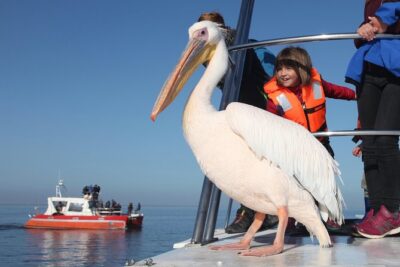
Pelicans are another highlight here. They sometimes land on the boat for a fish snack, putting a very large bird only a short distance from your camera. Cape Cormorants, Kelp Gulls, and Hartlaub’s Gulls add movement overhead and often use the catamaran as a temporary perch.
Out into the open sea for the marine Big 5
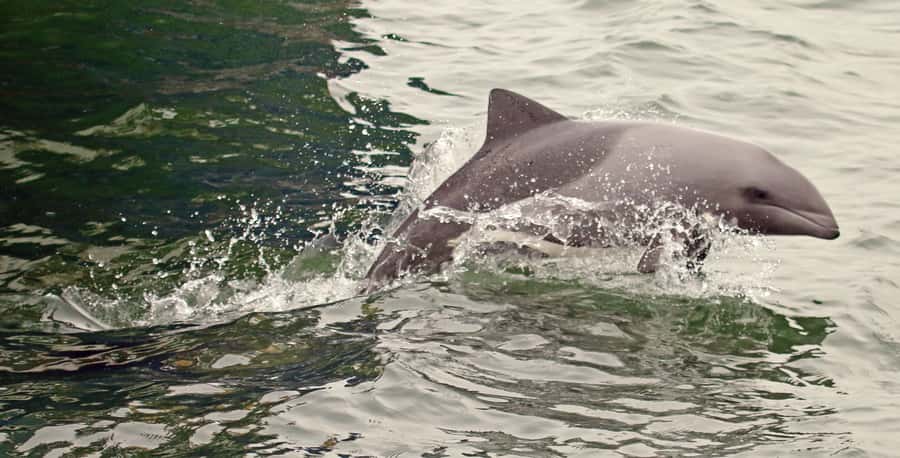
After rounding Pelican Point, the catamaran heads into open water. This is where the outing changes from a seal-colony visit into a search for the wider group of marine species.
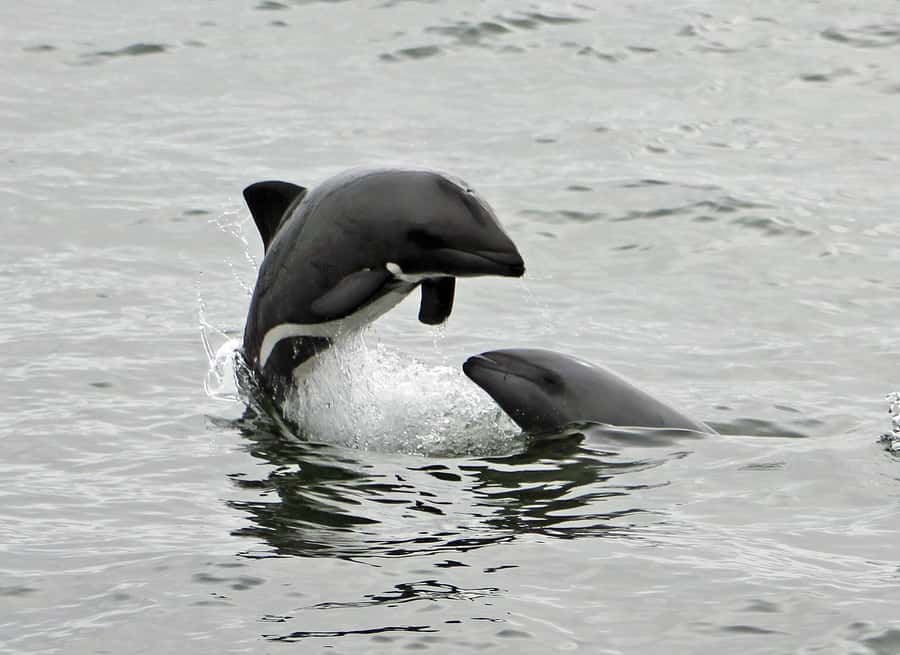
The three dolphin species associated with Walvis Bay are common bottlenose, Heaviside’s, and dusky dolphins. Bottlenose dolphins are the most common. Heaviside’s dolphins are smaller, social, and often travel in groups. Dusky dolphins are known for energetic leaps and aerial movement.
If dolphins appear near the bow, you may see them ride the pressure wave in front of the catamaran. The best advice is to keep your camera ready but also watch with your own eyes. These encounters can last seconds, and a phone screen is a poor substitute for seeing several dolphins move together.
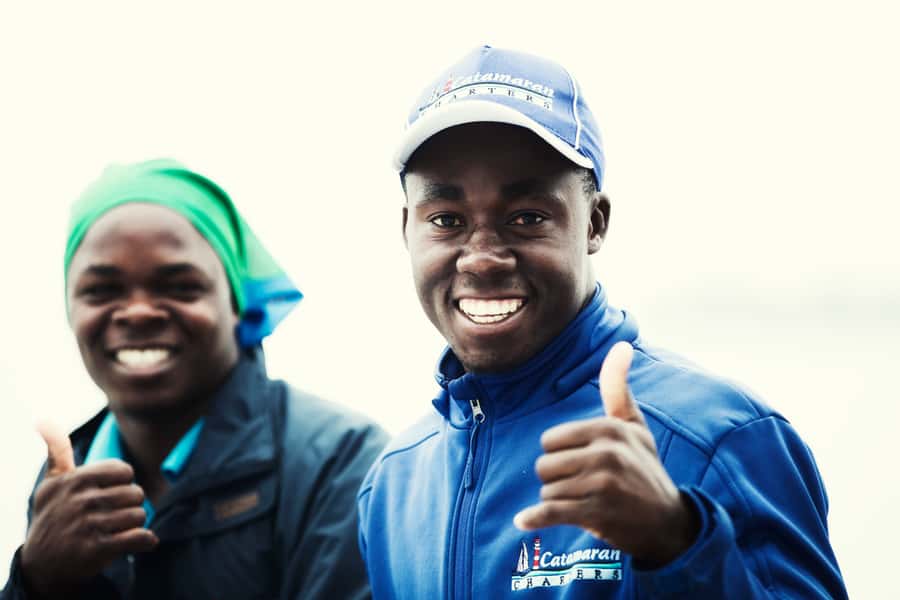
The guides play an important role here. Names that have been praised for clear explanations and lively delivery include Bertie, Steven, Raymond, Tu-Tu, Andries, Monique, and Vaughn. The guide team changes, but the common thread is an effort to explain both animal behavior and the local setting.
Same desert coast, a completely different day out:
- Swakopmund: Desert Dunes Quad Biking with Optional Sandboard
★ 4.9 · 590 reviews - Walvis Bay and Sandwich Harbour Tour
★ 4.8 · 483 reviews - Scenic Sandwich Harbour Tour
★ 5.0 · 277 reviews - Scenic Desert Tour by Bike
★ 5.0 · 165 reviews
Whale season and the reality of wildlife sightings
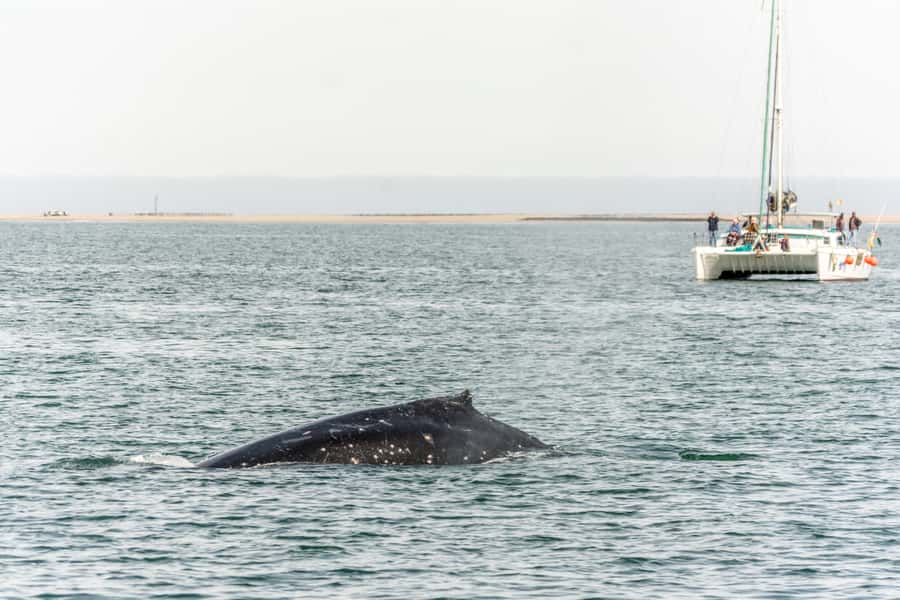
The strongest whale period is generally July through November. Southern Right and Humpback Whales are the main possibilities during that season, and sightings have included multiple humpbacks close to the boat.
The cruise can still produce whale sightings outside the main season, but you should treat any whale as a bonus. Other species, including Gray Whales and Pygmy Right Whales, have appeared in the area, though these are not animals you should expect to see on a normal outing.
Some departures see seals, dolphins, pelicans, and whales. Others see only seals or a smaller selection of wildlife. That is not a fault with the cruise. Marine animals set the schedule, not the boat operator. If seeing a particular species is the main purpose of your trip, give yourself more than one possible wildlife outing if your Namibia itinerary allows.
Weather matters, too. A sunny morning can make the boat feel wonderfully open, while a gray day can be cold and less comfortable. The crew continues to serve food and drinks in either case, but pack a warm layer and sunglasses. Sunscreen is still useful, even under coastal cloud.
Sunfish and leatherback turtles
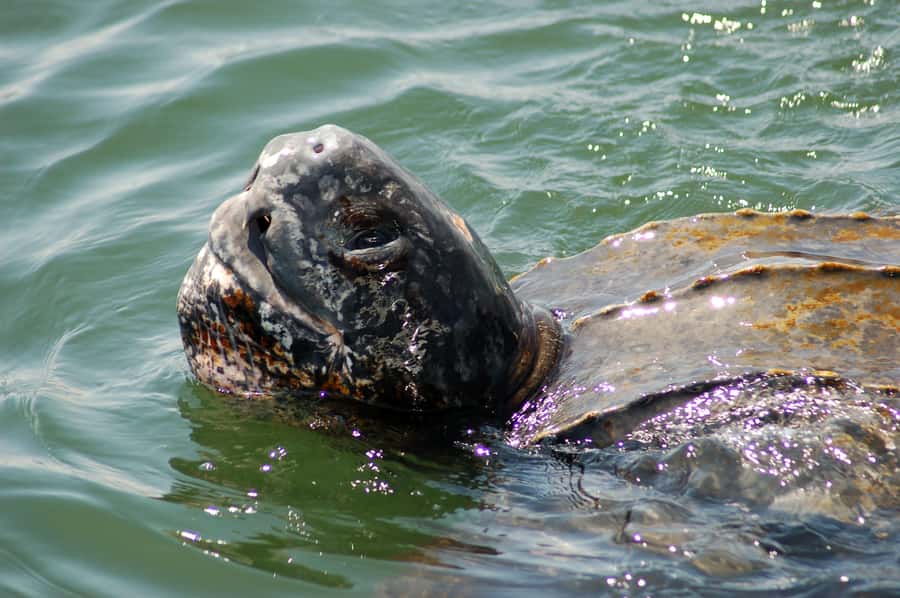
The marine Big 5 concept includes mola mola, or ocean sunfish, and leatherback turtles. Both are unusual sightings, so you should think of them as special surprises rather than standard stops.
Sunfish look almost unfinished, like a huge fish head with a tail. They can grow to an enormous size, with weights of up to 1,000 kilograms. Their strange shape makes even a brief surface appearance exciting.
Leatherback turtles are the largest living turtles. Instead of a hard shell like most familiar sea turtles, they have a flexible carapace covered by skin and flesh. They can travel long distances to breeding grounds, sometimes covering more than 1,000 kilometers.
The crew searches for these animals, but no responsible wildlife operator can promise them. The value of the trip lies in the chance to see them alongside more likely sightings, not in a guaranteed checklist.
Lunch with oysters, sparkling wine, and Namibian beer
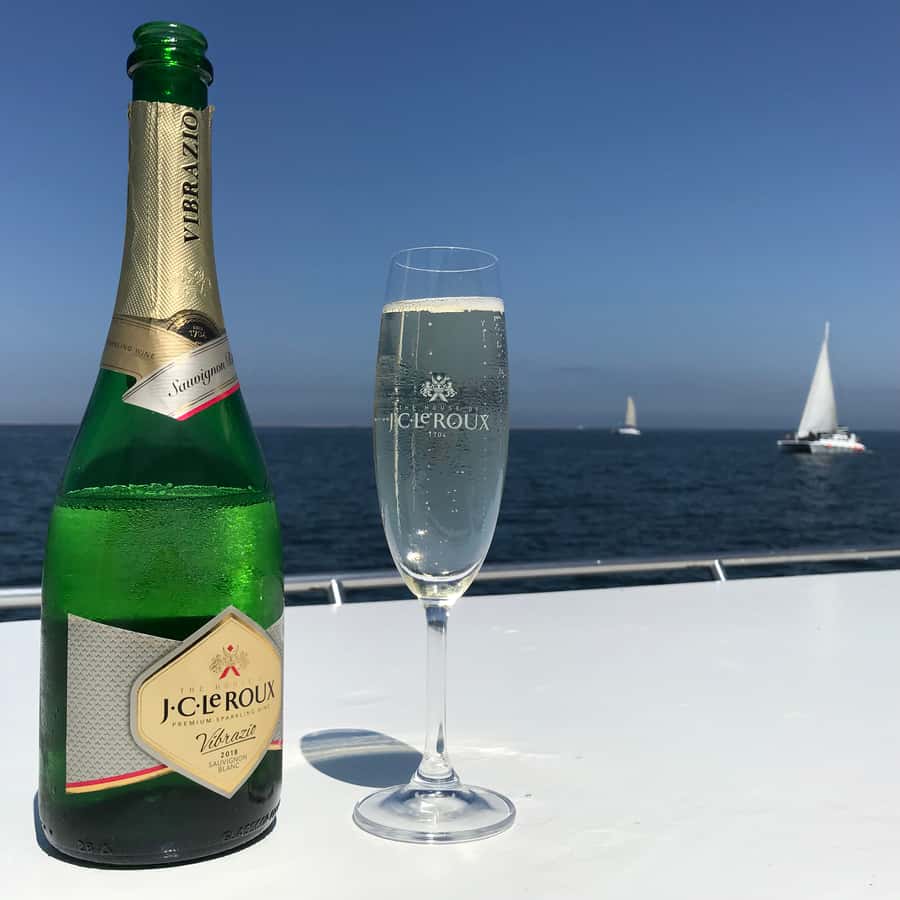
The return route through the wider bay is when the food service becomes a major part of the experience. Fresh Namibian oysters are paired with crisp sparkling wine, and the spread also includes savoury snacks, dessert pastries, soft drinks, water, and cold Namibian beer.
This is one of the tour’s best value points. Many boat trips include a small packet of snacks and call it lunch. Here, the food is substantial enough to change the feel of the morning. You can treat it as a casual tasting of local produce rather than simply refuelling.
The oysters receive especially strong praise, so they are worth trying if you eat seafood. If oysters are not for you, the savoury and sweet snacks give you other choices. Alcoholic drinks are included, but pace yourself. You are still on a moving boat, and the coastal air can make drinks feel stronger than expected.
The timing also works well. By serving lunch after the main wildlife search, the crew gives you something enjoyable to do during the return journey while the boat passes ships and oil rigs in the larger bay.
Ships, oil rigs, and the working side of Walvis Bay
The bay is not only a wildlife zone. The route passes interesting ships and oil rigs, offering a look at Walvis Bay as an active port and industrial center.
That contrast is part of the appeal. You get seals and pelicans close to the catamaran, then see the large vessels and offshore equipment that support the region’s working economy. The guide can connect the wildlife, port, oyster farms, lighthouse, and coastline into a clearer picture of the area.
The views are broad rather than dramatic in a mountain-and-cliff sense. You will see water, sky, the Pelican Point peninsula, the lighthouse, port activity, and seabirds. The simplicity is appealing, but anyone expecting a nonstop wildlife spectacle should set a more realistic expectation.
The catamaran, crew, and onboard comfort
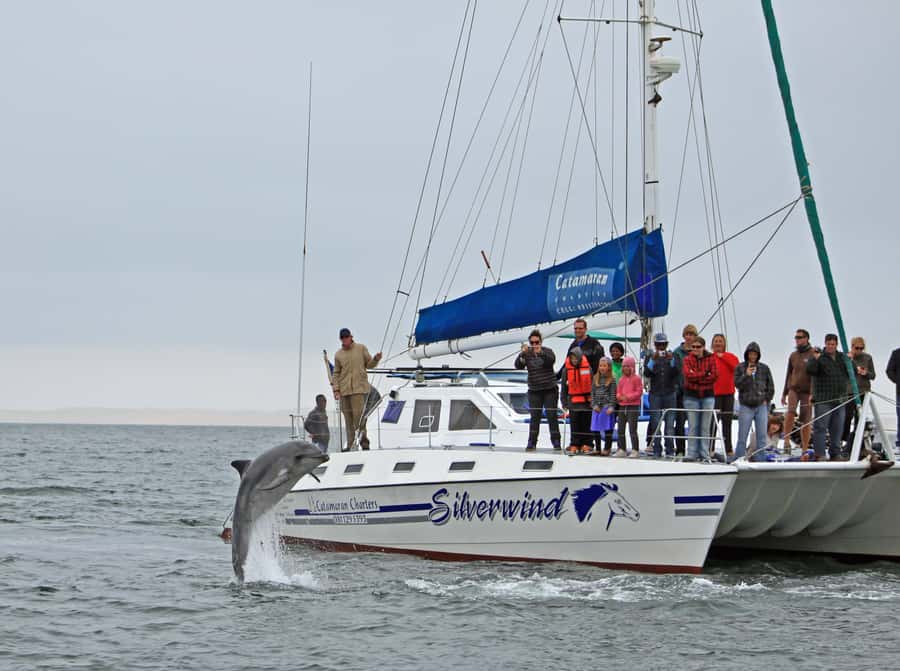
The luxury label mainly means a comfortable, service-focused boat rather than a private yacht. The crew serves drinks throughout the outing, keeps the food moving, and helps you get a better look when animals approach.
The atmosphere can be social, especially when the boat is full. One smaller departure had only eight people onboard, while other accounts describe a larger mix that included families with children. You should expect a shared excursion, not a quiet private charter.
Guides are generally present and willing to answer questions. Several have been praised for combining facts with humor, while one account found the commentary a little long. That is useful to know if you prefer a quiet cruise. The narration is part of the product, and the guide’s energy can shape the morning.
Wear comfortable shoes with good grip. High heels are not allowed, and pets are not permitted. Bring warm clothing, sunglasses, and sunscreen. The boat is wheelchair accessible according to the activity details, but confirm any specific boarding requirements ahead of time.
What the $76 price really includes
At $76 per person, this is not the cheapest way to spend a morning around Walvis Bay. It is, however, a solid value if you want wildlife, a guide, and a proper food-and-drink service in one package.
The included extras add up: coffee and tea at the start, oysters and sparkling wine, a light lunch, pastries, beer, water, soft drinks, and other snacks. You are also paying for a 210-minute boat trip, a crew actively searching for wildlife, and the chance to see animals close to the vessel.
The value is strongest for couples, families, and cruise passengers who want a polished half-day activity without spending a full day on land. It is less compelling if you only want a quick seal sighting or if you are mainly focused on keeping costs down.
The price does not include transport from your hotel. Add the cost and effort of reaching the waterfront when comparing this with other Walvis Bay activities.
Who should book this Walvis Bay cruise
I would recommend it to you if you enjoy wildlife but also want comfort. You do not need specialist knowledge of marine biology. The guide explains what you are seeing, and the food makes the experience pleasant even during a quiet wildlife period.
Families can find plenty to hold their attention, especially when dolphins approach, pelicans land on the boat, or seals come close. The 3.5-hour duration is long enough to feel worthwhile without taking up the entire day.
It also suits cruise passengers because the departure and return are built around a morning schedule, and the waterfront is accessible from the passenger terminal in about 10 minutes on foot. Still, allow enough time to return to your ship and follow the ship’s required boarding time.
Photographers should bring a camera with a fast shutter setting if possible, but do not expect every sighting to cooperate. Wildlife can appear on either side of the catamaran, so standing ready near one viewing area is not always the best plan.
Should you book it?
Book this tour if you want a relaxed marine safari with excellent catering and a real chance of close seal, pelican, and dolphin encounters. Choose July through November if whales are high on your wish list, but do not book on the assumption that the full Marine Big 5 will appear.
The strongest reasons to go are the resident seal colony, the chance of animals coming onto the boat, the capable guide team, and the unusually generous food and drinks. The main reasons to hesitate are the price, the shared-boat setting, and the normal uncertainty of ocean wildlife.
For most visitors spending time in Walvis Bay, I consider it a well-rounded morning rather than a narrow whale-watching gamble. Pack warmly, arrive at the correct waterfront building, and let the wildlife determine the highlights.
FAQ
How long does the Walvis Bay catamaran tour last?
The tour lasts 210 minutes, or about three and a half hours. Check-in begins around 8:30 am, departure is usually between 8:45 and 9:00 am, and the catamaran returns at about 12:30 pm.
Where do I meet the catamaran?
Check in at the small dark blue Catamaran Charters building near the jetty at the northern end of Walvis Bay Waterfront.
Can I walk from a passenger ship to the meeting point?
Yes. A newer access gate south of the passenger liner terminal provides direct access to Walvis Bay Waterfront. The walk takes about 10 minutes.
What wildlife might I see?
The tour searches for whales, dolphins, mola mola sunfish, leatherback turtles, and seals. You may also see pelicans, Cape Cormorants, Kelp Gulls, and Hartlaub’s Gulls. Sightings are not guaranteed.
Is food and drink included?
Yes. The tour includes coffee and tea, Namibian oysters with sparkling wine, savoury snacks, dessert pastries, water, soft drinks, and Namibian beer.
What should I bring, and are high heels allowed?
Bring comfortable shoes, warm clothing, sunglasses, and sunscreen. High-heeled shoes and pets are not allowed.
Just added around Swakopmund
- Walvis Bay Shore Excursion: Flamingos, Dune 7, Swakopmund★ 5.0 · 3 reviews
- Unforgettable Half Day Adventure, Explore Sandwich Harbour★ 5.0 · 3 reviews
- Swakopmund Explorer Township Tour in Mondesa with Nande the Township Local Guide★ 5.0 · 4 reviews
- Walvisbay Dune 7 and Swakopmund Town Half Day Guided Tour★ 4.0 · 4 reviews
- Half Day Swakopmund Cultural Historical Township Tour★ 5.0 · 4 reviews
- Spitzkoppe – Day Tour to the Spitzkoppe Mountain from Swakopmund★ 5.0 · 3 reviews
- Full-Day Tour in Namib Desert from Swakopmund, Namibia★ 5.0 · 3 reviews
- 2h30min Explorer Quad Bike Tour★ 5.0 · 6 reviews
Cruises & Boat Tours, compared.
Mola Mola Marine Dolphin Cruise from the Walvis Bay Waterfront to Pelican Point
Read our review →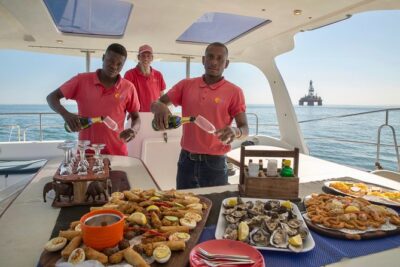

Cruise liner Special: Swakopmund and Namib Desert Highlights
Read our review →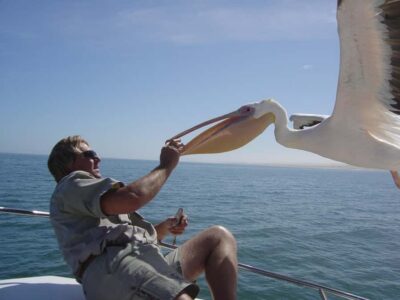
Catamaran Dolphin Cruise and Sandwich Harbour Tour
Read our review →
Walvisbay & Coastal Town City Private Local Guided Day Tour for Cruise Ships
Read our review →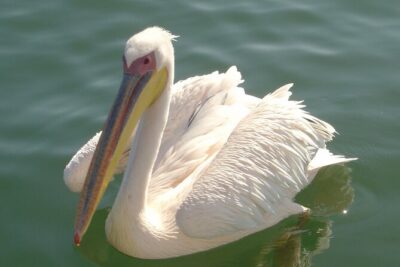
Marine Dune Day: Catamaran Cruise and Sandwich Harbor Dune Drive
Read our review →Browse the lists this tour appears in