
Reviewed · NAMIBIA CAMPING SAFARIS
12 Day Classic Namibia Camping Safari
Namibia’s big attraction is variety. In 12 days, you move from Etosha’s waterholes and Himba culture to the cold Atlantic, towering Namib Desert dunes, abandoned diamond towns, and Fish River Canyon. The trip also includes the rare pleasure of sleeping beneath southern African stars.
I like the strong route and the small maximum group of 10. I also like that the guides, including Tulimo and Gregory, do more than drive: they set up camp and cook meals over an open fire. The main consideration is the pace. Long drives, early starts, heat, and ten nights under canvas demand a reasonable level of fitness and a taste for simple camping.
Key points to know before booking
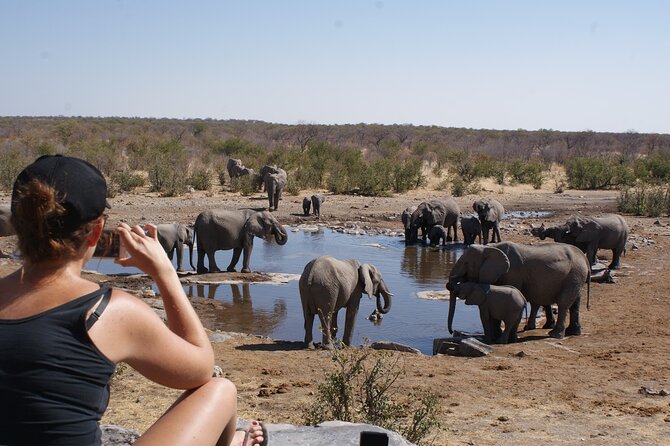
- Etosha gives you two full days of waterhole wildlife watching, with a floodlit waterhole at Okaukuejo.
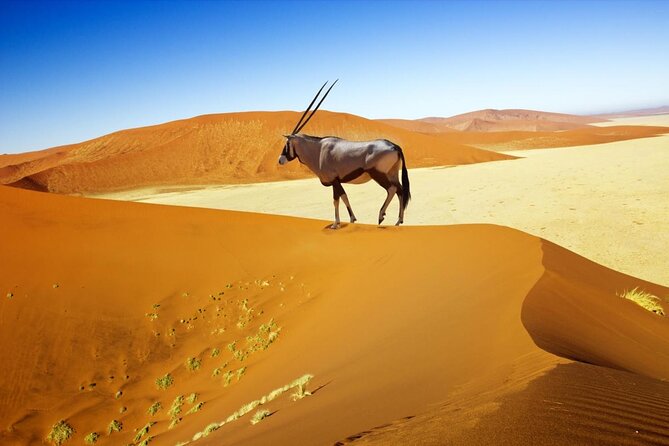
- Sossusvlei and Deadvlei are the visual high points, reached through pre-dawn starts and walks over hot sand.
- The Skeleton Coast feels stark and remote, with Cape fur seals, shipwrecks, fog, and cold Atlantic air.
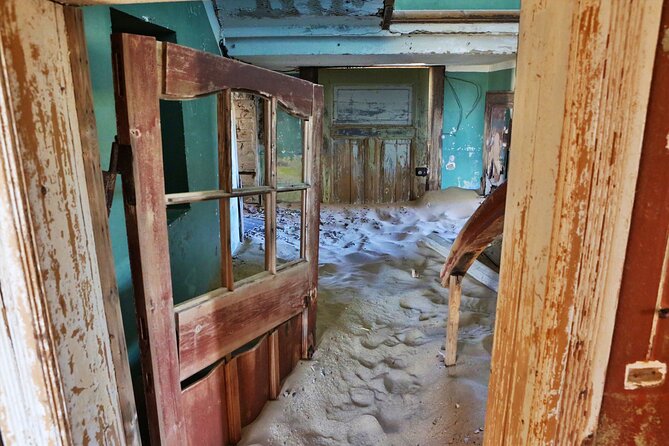
- Kolmanskop adds a human story to the desert, with abandoned rooms slowly filling with sand.
- The trip includes 10 camping nights and one night in accommodation, but you must bring or rent your own sleeping bag.
- The $3,071.21 price covers most meals and camping equipment, but drinks and optional Swakopmund activities cost extra.
Why this route works so well in 12 days
This is a broad sweep of Namibia rather than a slow stay in one region. You cover the central highlands, northern wildlife country, the Atlantic coast, the Namib Desert, and the far south before returning to Windhoek.
That route gives you a useful first look at the country. You see the places most visitors come for, but you should not expect long, unhurried stays at every stop. Several days involve substantial time in the safari vehicle, and some camp arrivals come late in the afternoon.
The tour starts at Chameleon Safaris in Windhoek at 7:00 am. After a short pre-departure meeting, you stop at Okahandja’s woodcarving market. It is a modest first stop, but a good chance to browse handmade work and practice bargaining while supporting local sellers.
The first night is at Mount Etjo Game Reserve. The conservation focus here is black and white rhino protection, and the afternoon game drive aims to find rhinos saved through that work. Arriving before lunch gives you time to help set up camp before the reserve outing, a useful introduction to the routine that will shape much of the trip.
More Namibia Camping Safaris in Windhoek
- 3 Day Sossusvlei Budget Camping Safari
★ 5.0 · 62 reviews - 6 Day Sand, Sea & Etosha Budget Camping Safari
★ 5.0 · 36 reviews - 7 Day Southern Namibia and Sossusvlei Camping Safari
★ 5.0 · 26 reviews
Etosha: waterholes, predators, and a floodlit night
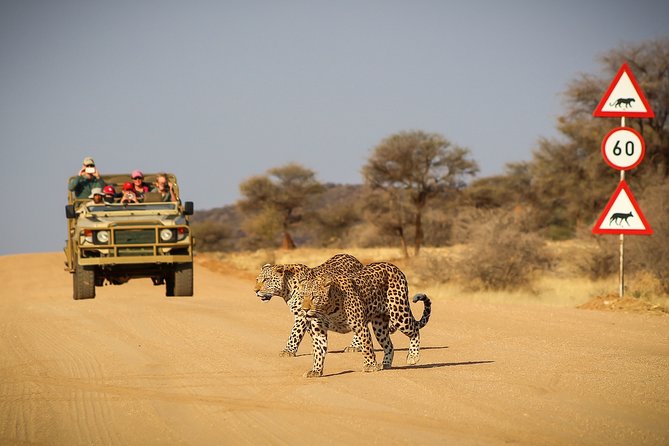
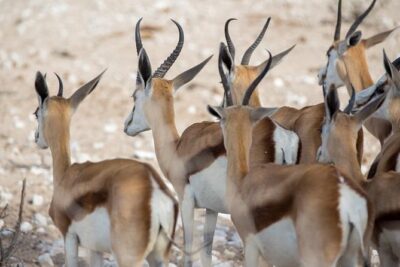
Day two begins with a supply stop in Otjiwarongo before you reach Etosha National Park. Once inside, the safari becomes a patient search from waterhole to waterhole. You might see plains animals, birds, predators, and reptiles, but wildlife sightings are never guaranteed.
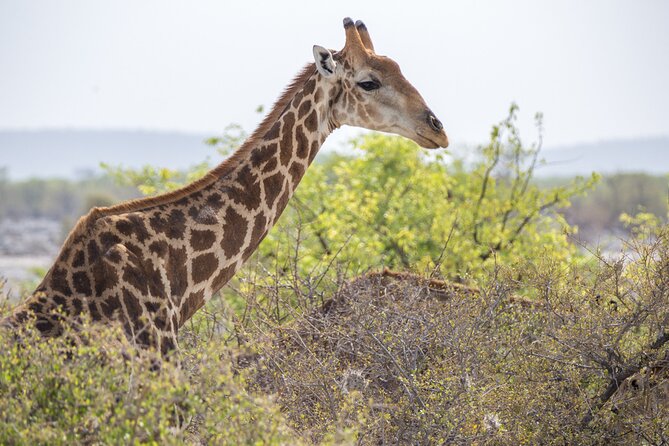
The camp at Okaukuejo is a major advantage. After dinner, you can visit the floodlit waterhole, where rhino, elephant, giraffe, lion, and hyena are frequent visitors. This is one of the best reasons to spend the night inside the park rather than simply passing through it.
The next morning starts at sunrise. Breakfast takes place at a fenced picnic area, followed by more waterhole stops and a visit to the Etosha Pan. The pan covers about 4,500 square kilometres and is a huge saline plain, bright and exposed under the sky. You can get out at the designated area, a welcome break after hours in the vehicle.
The group then continues toward Halali, where there is time for lunch, a swim, and a visit to the waterhole before returning to Okaukuejo. You get a second night in Etosha, which improves your chances of seeing different animals and gives the safari a less hurried feel than a single-night stop.
Pack patience and sun protection for this section. Game drives can be long, and the scenery is open rather than constantly dramatic. The reward comes when an animal appears at a waterhole and everyone quietly waits.
Meeting the Himba and reaching Palmwag
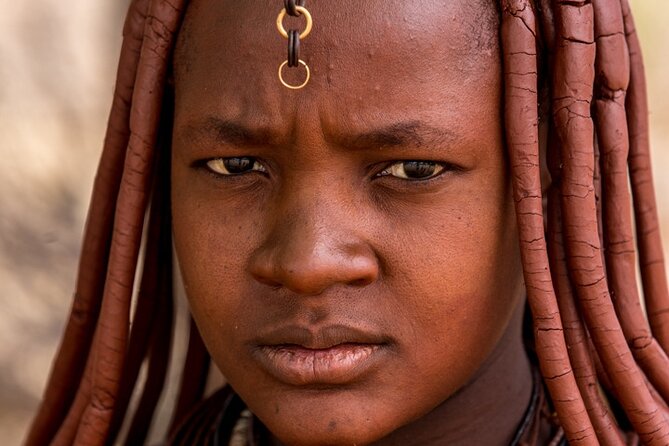
On day four, you leave Etosha after a final morning drive and head toward Kamanjab. The Otjikandero Himba Orphan Village provides a guided introduction to Himba traditions and daily life.
This visit is important because it adds human context to a route otherwise dominated by animals and desert scenery. You are given a chance to learn about traditional customs and exchange something of your own culture. Approach the stop respectfully, listen carefully, and remember that it is a cultural visit, not a staged wildlife encounter.
Afterward, you continue to Palmwag. The afternoon is deliberately quieter, with time at camp and the possibility of watching for desert elephants. Dinner again comes from the guide’s open-fire kitchen. This pattern saves you restaurant costs, but it also means you should be comfortable eating outdoors and helping maintain a shared camp routine.
The Skeleton Coast and Cape Cross seals
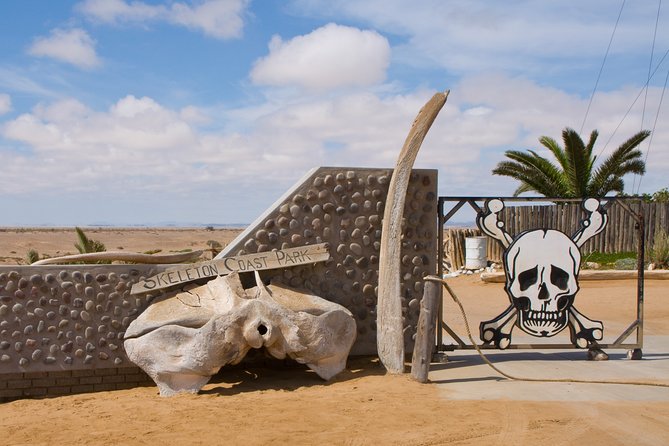
The road west leads through Skeleton Coast National Park to Cape Cross. This is one of Namibia’s most unusual regions: fog, rough seas, unpredictable currents, and shipwrecks have made the coastline notorious.
The Cape Cross camp offers a rare night beside the Atlantic. You have free time for a beach walk, and the itinerary even allows for a swim for the brave. Keep your expectations sensible. This is not a warm-water beach stop, and the coastal climate can feel very different from the desert inland.
The following morning, you visit the Cape Cross Seal Reserve. During the November and December breeding season, more than 200,000 Cape fur seals may gather along the shore. The sight is immense, noisy, and memorable. It also smells strongly, so this is not a polished nature attraction. That raw quality is part of the experience.
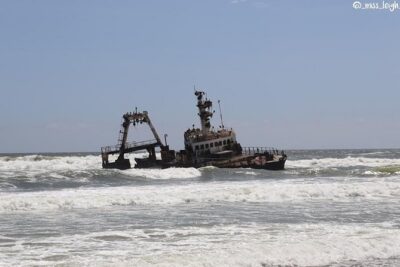
The stop at the Zeila shipwreck adds another reminder of the coast’s hazards. The wreck dates from as recently as 2007, showing that the Skeleton Coast is not only a story from the age of sailing ships.
Same desert coast, a completely different day out:
- Windhoek: City and Township Tour
★ 4.8 · 430 reviews - Half-Day Windhoek City and Township Cultural Tour
★ 4.5 · 187 reviews - Windhoek: Bushman Walk with the San
★ 4.9 · 145 reviews - 6-Day Dunes and Wildlife Accommodated Safari from Windhoek
★ 5.0 · 123 reviews
Swakopmund: your one comfortable pause
You reach Swakopmund around early afternoon on day six. This is your break from camping and your chance to sleep in accommodation for the night. The town is compact enough to explore on foot, and dinner is at your own expense.
Swakopmund is also where the tour opens the door to optional activities. You can choose from adrenaline-focused outings such as skydiving, quad biking, or sandboarding. These activities are not included, so budget separately if you want to add one.
Day seven gives you a slower morning, since departure is not until 11:30 am. That timing matters after several early starts. You can enjoy breakfast, walk around town, or book one of the optional activities before the group heads south.
This is a sensible design choice. Not everyone wants nonstop game drives and tent packing, and Swakopmund lets you choose your own pace for part of a day. The drawback is that you have only a short window in town, so choose activities carefully rather than trying to do everything.
Sossusvlei and Deadvlei before the heat
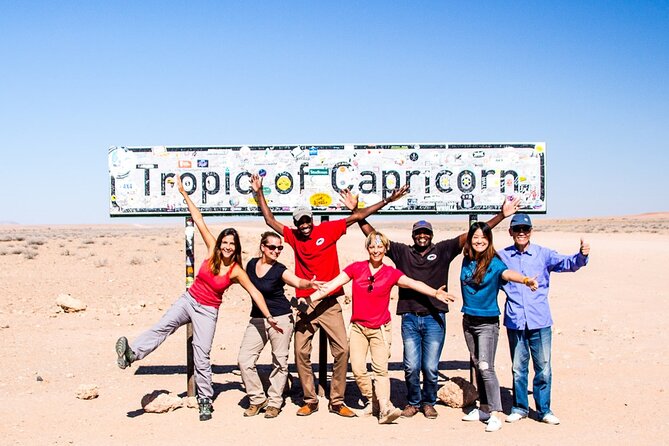
The drive from Swakopmund passes through the Kuiseb Pass and across the Tropic of Capricorn before a brief stop at Solitaire. Solitaire is mainly a useful place for a snack and leg stretch. You then reach Sesriem, where there is a pool and bar at camp.
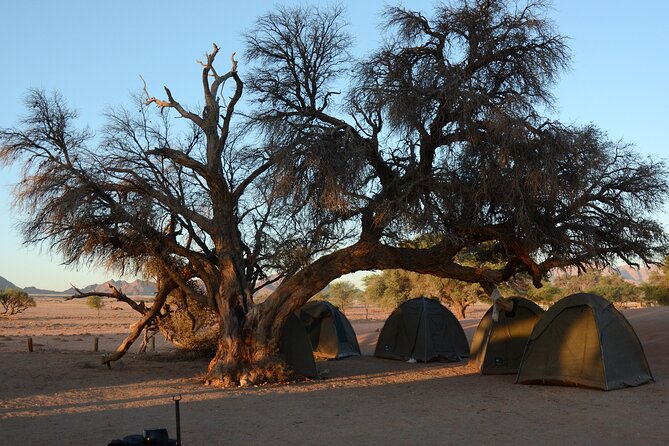
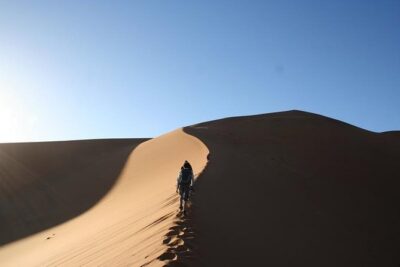
The early night is not optional in spirit. Day eight starts before dawn so you can reach Dune 45 at first light. The climb is on soft sand and can be physically demanding, but sunrise from the dune gives you the best light and cooler temperatures. After climbing down, you eat breakfast before continuing into the Sossusvlei area.
Deadvlei is the visual centerpiece. Its cracked white clay, dead camel thorn trees, and huge surrounding dunes create a sharp contrast of colour and shape. You explore on foot, so sturdy footwear, water, and sun protection matter.
After returning to Sesriem around lunchtime, you have time for lunch, a swim, or a siesta during the hottest part of the day. Later, the group visits Sesriem Canyon, a smaller but worthwhile change from the open dunes.
I like this section because the timing is practical rather than glamorous. You get the dunes when the light is best, then retreat from the worst heat. Still, the pre-dawn departure and sand walking can be tiring, especially after several camping nights.
Aus, Kolmanskop, and the wild horses
Day nine takes you south through the Namib Rand area toward Klein Aus Vista. This is another long driving day, but the scenery changes steadily as the red desert gives way to broad, dry mountain country. At camp, you can choose a short hiking trail before sunset.
The next morning brings Kolmanskop, 15 kilometres outside Lüderitz. The town grew wealthy during the 1910 diamond boom, with luxury housing, a bowling alley, and the first X-ray machine in the southern hemisphere. When the diamond boom ended, residents left, and desert sand began filling the rooms.
Kolmanskop works because you can see history physically disappearing. Sand through doorways and across floors makes the abandoned town feel less like a museum display and more like a place being reclaimed by its surroundings. Allow the full three-hour visit to appreciate the buildings rather than rushing in for photographs.
Lüderitz offers a different mood, with colourful colonial-style buildings on the Atlantic shore. At Diaz Point, you stop at the original Diaz Cross site, then return toward Aus while watching for the Namib’s wild horses.
A sighting is never certain, and that uncertainty is part of the appeal. Their survival in such a harsh place is striking, but you should not book this tour expecting a guaranteed horse encounter.
Fish River Canyon and the Quiver Tree Forest
Day 11 begins early again as you travel east to Fish River Canyon. At Hell’s Bend viewpoint, you look over one of the world’s largest canyons, shaped by water erosion and movements in the earth’s crust.
The stop is brief, so this is a viewpoint visit rather than a canyon hike. That distinction matters. You get a powerful sense of scale, but not an extended walk below the rim.
After lunch, the final camp is at the Quiver Tree Forest near Keetmanshoop. About 250 quiver trees grow here, with the oldest estimated at 200 to 300 years. The kokerboom is Namibia’s national tree, and the forest has been a national monument since 1995.
The last night is spent camping under the stars. It is a fitting finish, especially for photographers, though permits for night photography are not included. Sunrise among the quiver trees begins the last day before the long return drive through Mariental and Rehoboth to Windhoek.
No flight is recommended on day 12. The group arrives in Windhoek late afternoon and drops you at your accommodation, but delays on a long road journey are always possible.
What the $3,071.21 price really covers
The price is high for a camping trip, but the route covers a great deal of Namibia and includes 11 breakfasts, 11 lunches, and 10 dinners. Camping equipment is supplied, along with transport, guiding, park visits listed in the itinerary, and one night in accommodation.
You must supply a sleeping bag. Drinks are also extra, including bottled water, soft drinks, and alcohol. You should budget separately for dinner in Swakopmund and any optional activities such as quad biking, sandboarding, or skydiving.
The value is strongest if you want a single organized trip covering Etosha, the Skeleton Coast, Sossusvlei, Kolmanskop, Fish River Canyon, and the Quiver Tree Forest. A self-drive trip might offer more control, but it would require arranging vehicles, camps, park access, meals, and the long route yourself.
The trip is capped at 10 people, which keeps the group small enough for shared camp work and easier wildlife viewing. You should still expect close quarters, long hours on the road, and little privacy at campsites.
Who should book this safari?
I would choose this tour if you want Namibia’s major sights in one well-planned circuit and are happy to trade comfort for access. It suits solo visitors, couples, and active friends who enjoy camping, open-fire meals, wildlife watching, and long scenic drives.
It is less suitable if you need a soft bed every night, dislike early departures, or want deep time in each destination. The tour asks you to help with the rhythm of camp life and maintain a moderate level of physical fitness.
The consistently perfect rating and 100 percent recommendation point to a very strong experience, with the dunes, Etosha, and Kolmanskop receiving the clearest praise. Guides Tulimo and Gregory are specifically noted for excellent guiding and cooking, so their role is central to the trip’s appeal.
Should you book it?
Book this safari if you want the classic Namibia route without handling the logistics yourself. You will see an exceptional range of scenery and wildlife, eat many meals prepared at camp, and sleep in memorable places from Etosha to the Quiver Tree Forest.
Think twice if you want flexibility or comfort. The non-refundable booking terms make it especially important to confirm your dates, sleeping bag plans, fitness level, and return-flight schedule before paying. For the right person, this is a big, dusty, early-starting journey with an excellent payoff.
FAQ
Where does the safari start?
The tour starts at Chameleon Safaris on Ferry Street in Windhoek, Namibia, with a meeting time of 7:00 am.
Where does the safari end?
The tour returns to Windhoek and ends back at the meeting point area, with drop-off at your accommodation in the city.
How long is the safari?
The experience lasts approximately 12 days.
How many people can join the group?
The tour has a maximum of 10 travelers.
How many nights are spent camping?
You spend 10 nights camping and one night in accommodation, which is the overnight stop in Swakopmund.
Is a sleeping bag included?
No. Camping equipment is provided, but you must arrange your own sleeping bag.
Are meals included?
Breakfast is included on 11 days, lunch on 11 days, and dinner on 10 days.
Are drinks included?
No. Mineral water, soft drinks, alcohol, and other drinks are not included.
Are flights on the final day recommended?
No. The return to Windhoek takes most of the day, and flights are not recommended on day 12.
More Safari in Windhoek
- 9 Day Canyons, Dunes & Wildlife Camping and Lodge Safari
★ 4.5 · 23 reviews - 9 Day Etosha, Skeleton Coast and Sossusvlei Camping and Lodge Safari
★ 5.0 · 21 reviews - From Windhoek: Okapuka Safari Lodge Day Trip
★ 4.4 · 20 reviews - 7 Day Northern Namibia and Skeleton Coast Camping Safari
★ 5.0 · 19 reviews
Just added around Windhoek
- Windhoek: Katutura Township Tour with Local Guide★ 3.5 · 3 reviews
- Windhoek: City & Township tour. Vehicle, guide, kapana★ 4.2 · 4 reviews
- Knight Vibes: Bars, Shebeen, Clubs Crawl Windhoek★ 5.0 · 3 reviews
- Predator Encounter: Half-Day Carnivore Feeding Windhoek★ 4.0 · 5 reviews
- 3 Day Camping safari at Sossusvlei★ 5.0 · 5 reviews
- Airport Transfers★ 5.0 · 5 reviews
- Discover the Routes of N/a’an ku sê.★ 4.0 · 6 reviews
- 3 Day Camping tour at Etosha National Park★ 5.0 · 5 reviews
Namibia Camping Safaris, compared.
6 Day Sand, Sea & Etosha Budget Camping Safari
Read our review →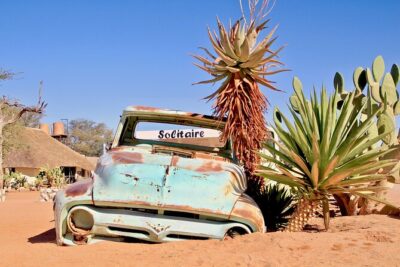
7 Day Southern Namibia and Sossusvlei Camping Safari
Read our review →
7 Day Northern Namibia and Skeleton Coast Camping Safari
Read our review →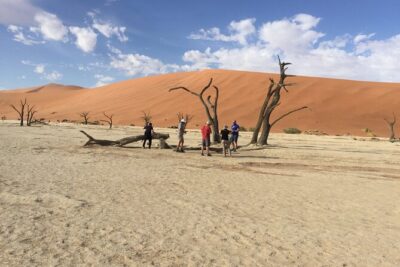
4-Day Sossusvlei and Swakopmund Camping Safari
Read our review →Browse the lists this tour appears in