
Reviewed · WINDHOEK TOURS
11 Days Small Group Namibia Experience Fully Accommodated Tour
Namibia gives you a remarkable amount of variety in 11 days. You move from red Kalahari dunes to the giant sands of Sossusvlei, then on to the cold Atlantic, ancient rock art, desert rhinos, Etosha’s waterholes, and a conservation project for cheetahs and leopards. The scenery is the star, but the small group keeps the long drives manageable.
I like the fully accommodated format, which removes the work of arranging lodges across a vast country. I also like the small maximum of seven people, plus the chance to meet local trackers and communities rather than simply racing from one photo stop to the next. The main drawback is the pace: several days involve long drives, and the schedule leaves limited time for Windhoek or relaxed exploration in Swakopmund.
Key points before you book
- Seven-person maximum: A small vehicle group makes game viewing and guide interaction more personal than a large coach tour.
- A full Namibia sampler: You see the Kalahari, Sossusvlei, Atlantic coast, Damaraland, Etosha, and Okonjima in one route.
- Fully accommodated: Lodges and guest houses are included, rather than camping.
- Strong wildlife range: Expect opportunities for seals, desert-adapted rhinos, elephants, big cats, antelope, and many birds.
- Cultural encounters: The route includes a San bush walk and a visit to the Otjikandero Himba Orphanage Village.
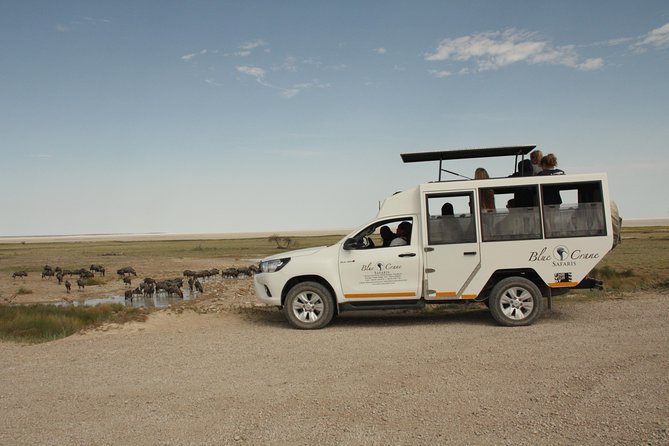
- Guides matter: Markus, Frank, Me-Gusto, Sidney, and Sammy have all led Bluecrane trips, with praise for their care, road knowledge, and flexibility.
A useful first look at the route
The route works because each region feels different. Namibia is not a place where you simply drive through the same type of scenery for 11 days. The colors, vegetation, wildlife, and even the air change as you go from the inland desert to the coast and then back into the wildlife country of the north.
You begin with a Windhoek pickup between 8:00 and 8:45 a.m. The tour then heads south toward Mariental and the Kalahari. From there, the road bends west to Sesriem and Sossusvlei, north to Swakopmund, up through Damaraland, and east toward Etosha and Okonjima before returning to Windhoek.
That route covers a lot of ground. I would choose it if you want a broad first taste of Namibia and prefer not to plan a self-drive trip. I would not choose it if you want long stays in one place, lie-ins, or a trip focused only on big-game safari.
Other Windhoek days worth booking alongside this:
- Windhoek: City and Township Tour
★ 4.8 · 430 reviews - Half-Day Windhoek City and Township Cultural Tour
★ 4.5 · 187 reviews - Windhoek: Bushman Walk with the San
★ 4.9 · 145 reviews
Day 1: Red dunes and the Kalahari near Mariental
Your first morning starts with pickup from your Windhoek hotel. The drive heads into the Kalahari, a fossil desert with more rainfall than a true desert. That helps explain its look: low red dunes, golden grass, and scattered camelthorn trees rather than endless bare sand.
The lodge is built around that setting, with rondavel-style thatched huts, a stone swimming pool, and views toward the surrounding bush. An oryx may occasionally appear near the pool, which gives you an early taste of Namibia’s habit of putting wildlife in unexpected places.
Mariental itself is mainly a practical town and regional center. It sits near the Hardap Dam and serves as an important stop on the road toward the southern desert. You should not expect a major sightseeing program here. The value is in the transition from urban Windhoek to open country and in the Kalahari setting around your lodge.
The first day is long, listed at roughly 15 hours including the route and stop. That does not mean you spend 15 hours on formal sightseeing, but you should expect a substantial road day. Wear comfortable clothing, keep water close, and treat the drive as part of the experience rather than dead time.
Day 2: From the Kalahari toward the Namib
After breakfast, you take a walk with local San bushmen in the area. This is one of the more meaningful elements of the itinerary because it adds human knowledge of the environment to the trip. You are not simply looking at dunes and animals. You get a chance to understand how people have traditionally read and used this dry country.
The route then crosses from the smaller red dunes of the east toward the larger dunes of the Namib in the west. Villages and changing scenery break up the journey, and lunch is served along the way. Arrival at the lodge is planned for early afternoon, leaving time for a cold drink and the swimming pool.
Optional lodge activities can be booked, but they are not part of the included program. Ask your guide about timing and cost before committing. This day is best viewed as a scenic transfer with a cultural stop, not as a major safari day.
Day 3: Deadvlei, Dune 45, and Sesriem Canyon
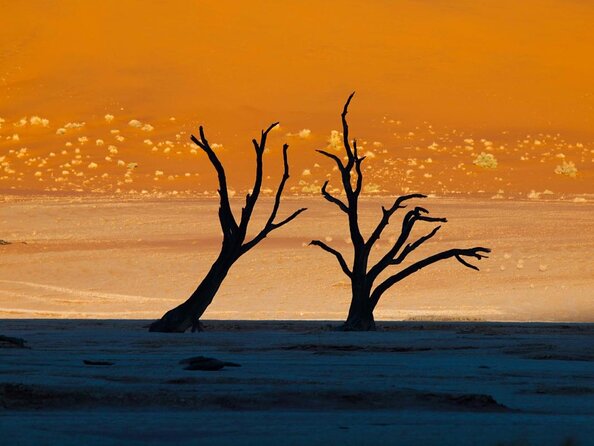
This is one of the tour’s strongest days. Deadvlei is an ancient clay pan surrounded by red-pink dunes. Its dead acacia trees, blackened by centuries of extreme dryness, rise from the cracked pale ground. The contrast looks almost unreal, especially against the surrounding dunes.
You have about two hours at Deadvlei. That sounds generous, but the heat, soft sand, and walking involved can make the time pass quickly. Bring a hat, water, sun protection, and shoes that can handle sand. The climb toward Big Daddy is strenuous, so you may prefer to focus on the pan itself or choose the gentler Dune 45 walk later in the day.
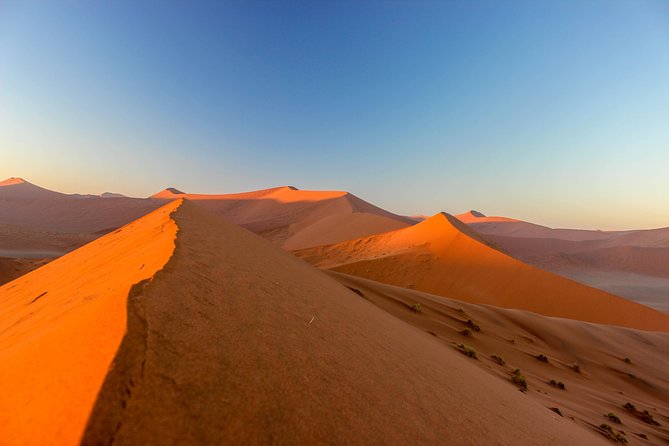
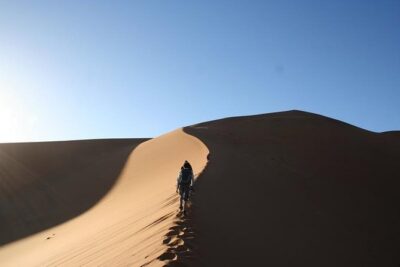
Dune 45 is about 80 meters high and sits close to the road. It is a more forgiving climb than Big Daddy, making it a good option if you want a dune view without turning the morning into a fitness test. The elegant curve of the dune is especially striking in the early light, though the exact timing of the visit matters and can depend on the day’s schedule.
Sesriem Canyon gives the day a different texture. Water carved this narrow chasm through rock, creating shaded walls and ledges where birds and lizards may appear. The name refers to the six leather straps early settlers tied together to reach water below. Allow three hours for the canyon walk and related time in the area.
The day combines Namibia’s most famous desert sights, but it also demands energy. You will be walking on sand, exposed to sun, and moving through a busy sightseeing schedule. Still, if you have only one day in the Sossusvlei region, this is a well-chosen set of stops.
Same desert coast, a completely different day out:
- 6-Day Dunes and Wildlife Accommodated Safari from Windhoek
★ 5.0 · 123 reviews - Windhoek City Tour
★ 5.0 · 113 reviews - 10-Day Namibia Highlights Guided Tour from Windhoek
★ 5.0 · 78 reviews - 12 Day Classic Namibia Camping Safari
★ 5.0 · 77 reviews
Day 4: Across the desert to the Atlantic
The route now changes completely. You cross the Tropic of Capricorn and pass through the Gaub and Kuiseb areas, including the dry Kuiseb riverbed and canyon. These passes show how quickly Namibia’s scenery can shift from dunes to rocky desert and broad open plains.
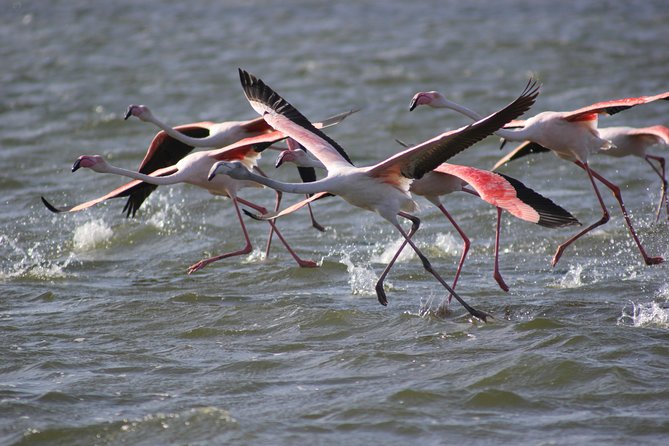
At Walvis Bay, you stop at the lagoon and salt works. The lagoon is an important wetland, with flamingos, pelicans, avocets, and Damara terns among the birdlife you might see. It is a useful reminder that Namibia’s dry country is not without water. Where water gathers, wildlife follows.
The final stretch to Swakopmund runs between desert dunes and the cold Atlantic. That cool coastal air can be a relief after the heat around Sossusvlei. Dinner is arranged at a local restaurant, giving you a chance to eat in town rather than at the lodge.
The Tropic of Capricorn sign is a short stop of about 30 minutes. It is a simple photo opportunity, not a major attraction, but it breaks up the drive and marks the geographic shift.
Day 5: Free time in Swakopmund
Swakopmund is the tour’s main pause. Its German colonial buildings, palm-lined streets, shops, restaurants, beaches, museum, and aquarium give you a very different experience from the desert lodges. The town has a slightly odd mix of European architecture, Namibian life, and adventure tourism, which is part of its appeal.
Your day is free, and the guide can help arrange optional activities. Choices include a boat trip with oysters and champagne, scenic or microlight flights, fishing, desert outings, quad biking, sandboarding, and skydiving. These extras cost more, depend on availability, and are taken at your own risk.
This is a day where you need to make a choice. You can spend it quietly exploring town, or add an adventure that makes the trip more active. I like having the freedom, but the lack of included dinner means you should budget for your evening meal. Also, one free day may feel short if you want both sightseeing and an activity.
Day 6: Cape Cross seals and Damaraland
The route turns north along the coast toward Damaraland. Cape Cross is the major stop, home to a very large colony of Cape fur seals. A walkway lets you observe the animals from roughly 200 meters away.
The colony can be noisy and strongly scented. That is not a flaw so much as a reminder that this is a real wild-animal site, not a polished zoo exhibit. You may see adults hauled out on the shore and young seals close by. Give yourself time to take in the scale of the colony, not just a few photographs.
The road continues to Uis, an old mining town where rough amethyst, tourmaline, and other semi-precious stones may be available. If you like local crafts and geological souvenirs, this can be a worthwhile stop. As always with stone purchases, inspect what you are buying and keep your budget in mind.
You pass the Brandberg, Namibia’s highest mountain, before reaching Twyfelfontein. This is another long road day, listed at about 12 hours, so the vehicle and guide have a major effect on your comfort. Previous guides named Frank, Markus, Me-Gusto, Sidney, and Sammy have been praised for being attentive and adapting to the needs of families and small groups.
Day 7: Twyfelfontein, desert rhinos, and Palmwag
Twyfelfontein contains one of Africa’s major concentrations of rock art. Around 2,500 Stone Age engravings are spread across 17 sites, with additional rock paintings in the wider area. The images of animals and hunting scenes give you a direct connection to people who used this valley thousands of years ago.
A guided walk is important here. The markings are spread among sandstone formations, and the value comes from understanding what you are seeing, not simply photographing a carved animal and moving on. Wear shoes suited to uneven ground and protect yourself from the sun.
The journey continues through Bersig toward Palmwag. In the afternoon, local trackers from the Torra Conservancy lead a desert rhino outing. This is one of the tour’s most distinctive wildlife opportunities. Desert-adapted black rhinos live in a harsh, open setting, and tracking them depends on reading signs rather than driving straight to a busy waterhole.
Palmwag itself is known for table mountains, dry riverbeds, palms, and wildlife that can include mountain zebra, kudu, springbok, giraffe, elephants, lions, leopards, and cheetahs. Sightings are never guaranteed, but the region adds a specialized wildlife angle that differs from Etosha’s waterhole viewing.
Day 8: Himba culture and the first Etosha game drive
You leave Damaraland by way of Kamanjab and stop at the Otjikandero Himba Orphanage Village. The project is supported by tour income, which helps provide food, medical care, and basic needs for the children. The visit offers an introduction to Himba traditions and daily life, with volunteer mothers caring for the children.
Approach this visit with respect. It is a cultural encounter and a working community, not simply a photo stop. Listen carefully, ask before taking photographs, and remember that the people you meet are not performers placed there for your entertainment.
You then continue to a lodge outside Etosha’s south gate. If time permits, you take an afternoon game drive inside the park and return before sunset. Etosha contains more than 100 mammal species, about 340 bird species, and 110 reptile species, so even a short drive can offer a wide range of possible sightings.
The timing is the uncertain part. After a long transfer and the Himba visit, there may be limited time for the afternoon drive. Think of it as a bonus rather than the main Etosha experience.
Day 9: Waterholes and the Etosha Pan
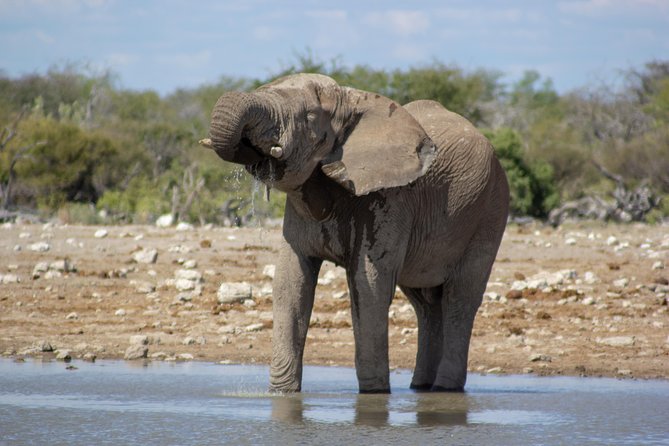
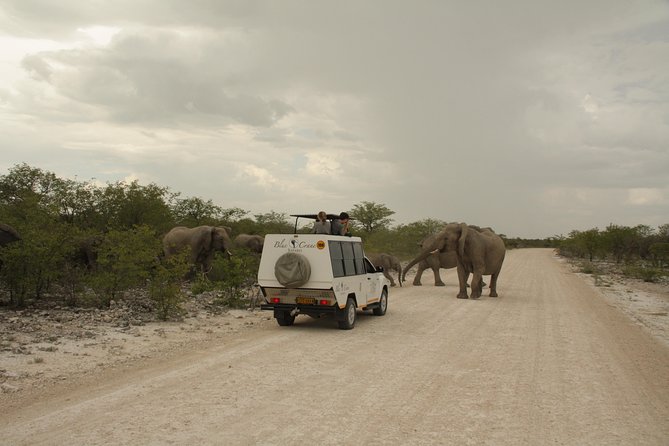
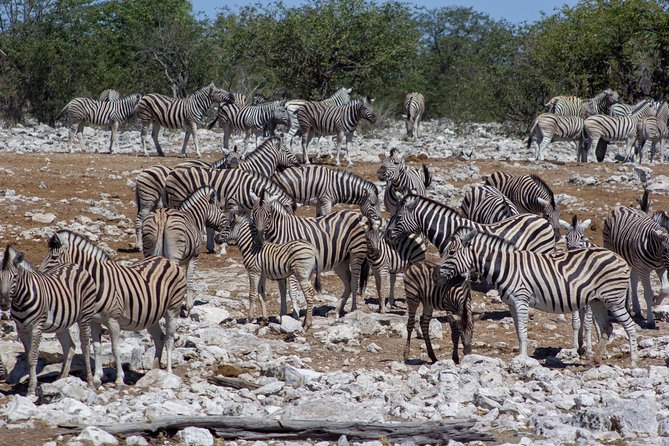
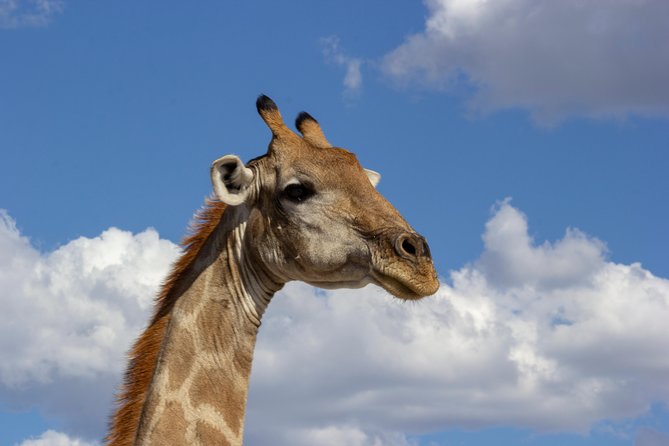
This is the main full safari day. You spend about eight hours inside Etosha, moving between waterholes and open plains in search of animals. Possible sightings include springbok, zebra, impala, giraffe, gemsbok, elephants, rhinos, lions, leopards, and many birds.
Waterholes are central to the experience because animals gather there, especially in dry periods. You may see several species sharing the same water source, or you may spend long stretches watching an empty pool. That uncertainty is part of safari, and a good guide helps you read tracks, movement, and habitat.
The Etosha Pan covers roughly 5,000 square kilometers. It is a huge salt depression, often appearing silvery and empty, but it can transform after heavy rain into a shallow lake used by flamingos and pelicans. Even when dry, it gives the park its wide, stark sense of space.
Lunch may be taken at Halali. Most of the day is spent in the vehicle, so bring water, a hat, and patience. You should also accept that game viewing is never a guaranteed checklist. The strength of Etosha is the setting and the repeated chances at waterholes, not a promise of seeing every major animal.
Day 10: Okonjima and AfriCat
A morning game drive gives you one last chance to see Etosha before heading south. The route continues toward Okonjima, where lunch is followed by an AfriCat activity in the afternoon.
The AfriCat Foundation works on the conservation of large carnivores including cheetahs, leopards, and brown hyenas. This makes Okonjima a useful counterpoint to Etosha. You are not only looking for animals in a national park. You are learning about efforts to protect predators and reduce conflict between carnivores and people.
The stop is shorter than the Etosha day, with about four hours allocated to the game reserve and two hours to the AfriCat activity. That makes it a focused final wildlife experience rather than another full safari circuit.
Day 11: Okahandja and return to Windhoek
The final route returns to Windhoek through Okahandja. You stop at Namibia’s largest craft market, where local community members run stalls through a cooperative arrangement.
This is a practical place for last-minute souvenirs, but take your time and compare prices. Handmade goods can be a meaningful reminder of the trip, and buying directly through a community market gives the stop more purpose than a generic airport shop.
If your flight is that day, the guide can transfer you to the airport or drop you at accommodation you have arranged. Confirm the timing carefully, since road delays and the long distances in Namibia can make a same-day flight connection stressful.
What the $4,500 price really buys
At $4,500 per person, this is not a budget overland trip. The price is easier to justify if you value convenience, included accommodation, small-group transport, breakfast, selected dinners, mineral water, park parking fees, and admission to key sites such as Deadvlei, Dune 45, Sesriem Canyon, Cape Cross, Twyfelfontein, the Himba village, and AfriCat.
You are also paying for route planning across a huge country. Namibia’s distances are serious, and organizing this sequence of lodges, parks, and local activities on your own takes time. The small maximum of seven is an important part of the value because it can make stops and game drives more flexible.
The price does not include beverages, tips, personal insurance, personal items, extra Swakopmund activities, or dinner on the free day. Add those costs before comparing this with a self-drive holiday or a camping safari.
Comfort, pace, and guide quality
Fully accommodated means you sleep in lodges and guest houses rather than tents. That suits you if you want a proper bed and a pool or lodge rest after long drives. The exact properties are not fully detailed here, so ask for the current accommodation list before paying.
The driving is the tradeoff. Namibia is vast, and this route cannot cover its major regions without several long days. A well-maintained vehicle, mineral water supplied throughout, and a careful guide matter greatly.
The named guides associated with the trips include Markus, Frank, Me-Gusto, Sidney, and Sammy. Specific praise has focused on guides being patient with children, attentive to room requests, helpful with planning, and strong companions on long road days. One serious vehicle accident was also reported in August 2024, with the operator stating that safety procedures were reviewed and addressed. I would ask directly about current vehicle checks, driver-rest rules, and emergency procedures before booking. That is sensible preparation for any long-distance safari.
Who should choose this Namibia tour
I would recommend it to a first-time Namibia visitor who wants the major highlights without handling a rental vehicle, remote lodges, park permits, and daily navigation. It also suits couples, families, and friends who want a small group and a mix of wildlife, scenery, culture, and light adventure.
Families should note that children have enjoyed the route with patient guides, but the long driving days may test younger children. The Sossusvlei walks and full Etosha day also require reasonable mobility and stamina.
I would look elsewhere if your priority is luxury-only lodging, a slow schedule, or a specialist safari aimed at maximizing time in Etosha. This is a broad introduction, not a leisurely stay in one reserve.
Should you book it?
Book this tour if you want Namibia’s biggest visual hits in one organized trip: red dunes, dead trees, Atlantic fog, seals, ancient engravings, desert rhinos, Himba culture, Etosha wildlife, and carnivore conservation. The small group and fully accommodated format add real value, especially for a first visit.
Before booking, confirm the current lodges, vehicle type, guide assignment, single-room supplement if relevant, and the plan for any same-day airport transfer. If you are comfortable with long road days and understand that wildlife sightings cannot be promised, this is a strong way to get a wide and memorable introduction to Namibia.
FAQ
Where does the tour begin?
The tour begins in Windhoek, with pickup from your hotel between 8:00 and 8:45 a.m.
How long does the experience last?
The tour lasts approximately 11 days.
How many people can join the group?
The maximum group size is seven travelers.
Is accommodation included?
Yes. The tour includes accommodation in lodges and guest houses throughout the route.
Is breakfast included?
Yes. Ten breakfasts are included.
Are dinners included?
Dinner is included as listed in the tour details, but dinner on the free day in Swakopmund is at your own expense.
Is mineral water provided?
Yes. Mineral water is provided on the vehicles and at all times during the tour.
Which major places does the route visit?
The route includes the Kalahari near Mariental, Namib-Naukluft Park, Deadvlei, Dune 45, Sesriem Canyon, Swakopmund, Walvis Bay, Cape Cross, Damaraland, Twyfelfontein, Palmwag, Etosha National Park, Okonjima, and Windhoek.
Are optional activities in Swakopmund included?
No. Activities such as boat trips, scenic flights, microlight flights, fishing, quad biking, sandboarding, and skydiving cost extra and depend on availability.
What is the cancellation policy?
You can receive a full refund if you cancel at least six full days before the start time. Cancellation two to six days before departure may receive a 50 percent refund, while cancellation less than two full days before departure is nonrefundable.
Just added around Windhoek
- Windhoek: Katutura Township Tour with Local Guide★ 3.5 · 3 reviews
- Windhoek: City & Township tour. Vehicle, guide, kapana★ 4.2 · 4 reviews
- Predator Encounter: Half-Day Carnivore Feeding Windhoek★ 4.0 · 5 reviews
- Knight Vibes: Bars, Shebeen, Clubs Crawl Windhoek★ 5.0 · 3 reviews
- 3 Day Camping safari at Sossusvlei★ 5.0 · 5 reviews
- Airport Transfers★ 5.0 · 5 reviews
- Discover the Routes of N/a’an ku sê.★ 4.0 · 6 reviews
- 3 Day Camping tour at Etosha National Park★ 5.0 · 5 reviews
Windhoek Tours, compared.


Half-Day Windhoek City and Township Cultural Tour
Read our review →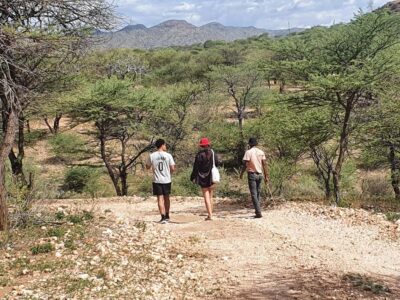

6-Day Dunes and Wildlife Accommodated Safari from Windhoek
Read our review →

10-Day Namibia Highlights Guided Tour from Windhoek
Read our review →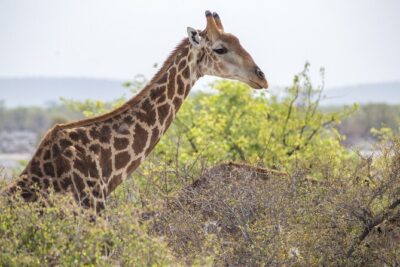
Browse the lists this tour appears in