
Reviewed · WINDHOEK TOURS
Discover the Routes of N/a’an ku sê.
At N/a’an ku sê, the main attraction is not simply spotting a lion or cheetah. It is seeing rescued predators during feeding time and learning why some of these animals cannot return to the wild. You ride through the sanctuary, watch animals at a safe distance, and hear the stories behind their care.
I like the chance to see several African predators in one outing, especially lions, cheetahs, leopards, caracals, hyenas, and African wild dogs. I also like the small-group aim, which can make it easier to ask questions and position yourself for photos. The main drawback is important: this is a managed wildlife sanctuary, not an open safari, and some animals are viewed behind secure barriers.
Key points to know before booking
- Feeding time is the heart of the visit: The guide-led sessions give you a better chance to see animals active and hear about their habits.
- Rescued animals have a role here: N/a’an ku sê cares for ambassador animals that cannot safely return to the wild.
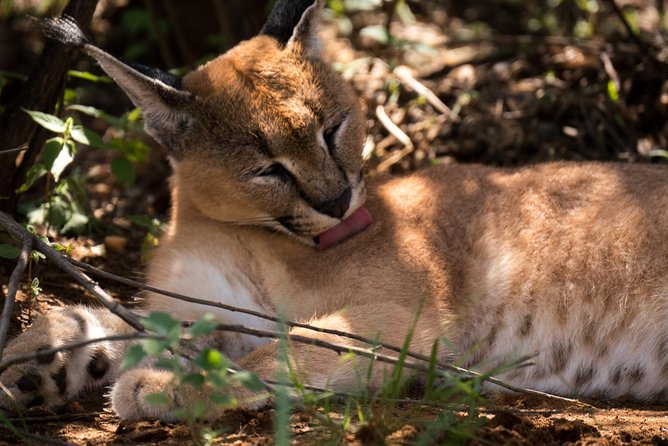
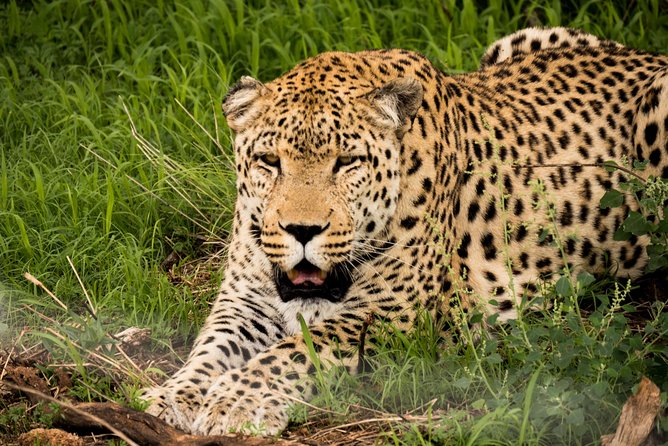
- Expect several predator species: Possible sightings include lions, cheetahs, leopards, caracals, hyenas, and African wild dogs.
- Photography is strong but not unlimited: You can take photos throughout the drive, but close-up images through enclosure bars may not be possible.
- The tour begins at 1:30 p.m.: Allow about five hours for the full experience, including the sanctuary visit and transport arrangements.
- Group size needs clarification: The experience is promoted as a maximum of three people for a personal visit, while the additional booking information allows up to 13 participants.
Why this sanctuary visit is different from a normal safari
A classic safari gives you the thrill of finding wild animals in open country. N/a’an ku sê offers a different kind of encounter. Here, the animals are connected to a rescue and conservation program, and the visit helps explain what happens when a wild animal has been kept as a pet, injured, or raised in conditions that make release unsafe.
That distinction matters. You are not simply ticking off species from a list. You are seeing animals that may serve as ambassadors for their wild counterparts. The guide explains their behavior, habitats, and personal histories while you watch feeding sessions.
For many people, this makes the visit more meaningful than a quick animal sighting. You get context for what you see. A cheetah is not just a fast cat behind a fence. A lion is not merely a dramatic photograph. The setting gives you a chance to think about the difficult line between rescue, education, and permanent care.
At the same time, you should arrive with realistic expectations. The animals are wild and dangerous, even when they live in a protected sanctuary. Safety rules limit how near you can get, and the facility does not offer the kind of unrestricted close-up access some photographers want.
Other Windhoek days worth booking alongside this:
- Windhoek: City and Township Tour
★ 4.8 · 430 reviews - Half-Day Windhoek City and Township Cultural Tour
★ 4.5 · 187 reviews - Windhoek: Bushman Walk with the San
★ 4.9 · 145 reviews
The drive through N/a’an ku sê Wildlife Sanctuary
The visit begins with a drive through the sanctuary, where your guide looks for animals in the reserve and at the care areas. The route gives you a chance to see more than one type of wildlife, with possible sightings of baboons, caracals, lions, cheetahs, African wild dogs, leopards, and hyenas.
Not every animal is guaranteed. Wildlife has its own schedule, and the experience is built around what can be seen on the day. Still, the variety is a major reason to consider this outing. In a single half-day, you might encounter species that would require several separate game drives to find in the wild.
The drive also provides the best setting for photography. Keep your camera ready during the moving sections, since other animals may be roaming through the reserve. You will have opportunities to photograph animals and the surrounding Namibian setting, but the exact views depend on where the animals are and how the guide manages the group.
The guide’s role is especially important here. A good guide does more than point out an animal. The guide helps you understand what you are seeing, explains behavior, and keeps the experience safe. The information supplied for this tour does not name the driver or guide, so you should not book expecting a particular person.
Feeding sessions bring the animals to life
Feeding time is the most structured part of the experience. It gives you a better chance to observe the animals when they are alert and active, rather than waiting for a quiet cat to appear in the shade.
The sessions are led by sanctuary staff, who share details about the animals and their care. You can watch how different species respond to food and how their behavior reflects their instincts. This is a useful introduction to animal welfare because it shows the practical work involved in caring for predators that cannot simply be released.
You should also understand what feeding time does not mean. It is not a hands-on encounter, and it does not turn a dangerous animal into a tame one. The animals remain behind appropriate safety controls, and you are expected to follow instructions closely.
If you enjoy photography, feeding sessions can produce some of the most interesting images of the day. Movement, interaction, and eye contact are usually more engaging than a motionless animal. Yet you may not be able to move into the perfect position or approach the bars for a close portrait.
Ambassador animals and the hard side of rescue
The sanctuary’s idea of ambassador animals is central to the visit. Some rescued animals cannot be released because of their history, injuries, dependence on people, or lack of survival skills. They remain in protected care and help visitors understand the pressures facing wild animals.
This can be uncomfortable, but it is valuable. A rescue facility is not the same as a national park. Animals may live in secure enclosures or managed areas because the alternative would be unsafe for them or for people. The goal is not to pretend that captivity is identical to freedom. The goal is to provide care while teaching visitors why release is not always possible.
The stories behind the animals may be the strongest part of the afternoon. You learn that conservation is not only about watching animals in the wild. It also involves dealing with animals harmed by human choices, including the keeping of wild species as pets.
That message gives the tour more substance than a simple predator show. It also helps you judge the experience fairly. If you want only untouched wildlife, this may not be the right choice. If you want to understand rescue work and see animals that are difficult to find, it has clear value.
Same desert coast, a completely different day out:
- 6-Day Dunes and Wildlife Accommodated Safari from Windhoek
★ 5.0 · 123 reviews - Windhoek City Tour
★ 5.0 · 113 reviews - 10-Day Namibia Highlights Guided Tour from Windhoek
★ 5.0 · 78 reviews - 12 Day Classic Namibia Camping Safari
★ 5.0 · 77 reviews
What the photography experience is really like
The tour offers good photography opportunities throughout the drive, but you should pack patience and adjust your expectations. The best pictures may come from the vehicle or designated viewing areas, not from standing right beside an enclosure.
One specific limitation deserves attention. Close-up photographs through the bars may not be allowed, and you may not be permitted to approach the enclosures closely. This is not a minor technical rule. It can change the experience for anyone hoping to produce tight, portrait-style images of predators.
The restriction is sensible. The animals are dangerous, and safety has to come before a photograph. It also protects the animals from people pressing against barriers or disturbing them during feeding.
For better results, bring a camera with a useful zoom if you have one. That suggestion is practical rather than a promise of equipment access, since no camera gear is provided in the tour details. A phone can still work when animals come within a suitable viewing distance, but you should not count on perfect close-ups.
I would choose this tour for the chance to see natural behavior and hear the stories behind the animals, not as a specialist photography trip. If your main goal is a very close portrait, ask about the current viewing rules before you pay.
A five-hour outing from Windhoek
The experience starts at 1:30 p.m. and lasts about five hours. Pickup is offered, which can simplify the day if you are staying in Windhoek and do not want to arrange your own transport to the sanctuary.
The afternoon timing has practical advantages. You do not need to give up an entire day, and the schedule leaves your morning open. It also places the sanctuary visit around feeding time, which is likely to be more engaging than a visit focused only on inactive animals.
Plan your day around the fixed start. The provided details do not give a specific pickup timetable or list individual pickup addresses, so confirm the meeting arrangements when booking. Public transportation is nearby, but proximity to transit does not necessarily tell you how convenient it will be to reach the start point with your own luggage or schedule.
The total duration is listed as approximately five hours, while the sanctuary visit itself is described as about three hours. The remaining time likely covers transport and the wider outing, but exact timing can vary. Keep the rest of your day reasonably flexible.
Small group promise and what it means
The experience is described as having a maximum of three people for a more personal visit. That is a strong advantage if the smaller arrangement applies to your departure. With fewer people, you generally have more room for questions and a better chance of seeing the guide’s explanations without a crowd around you.
However, the additional booking information gives a maximum of 13 participants. That is a meaningful difference. Before booking, confirm whether your selected date is operating as a three-person experience or under the larger maximum.
This is not a reason to reject the tour. It is a reason to check the details. A group of three feels quite different from a group of 13, especially during photography and animal viewing. If personal attention is a major reason you are booking, get that point settled first.
Is $136.71 a fair price?
At $136.71 per person, this is not the cheapest wildlife activity near Windhoek. The price makes more sense if you value three things together: pickup, a guide-led sanctuary drive, and access to feeding sessions with several predator species.
You are also paying for an organized conservation experience rather than just transport to an animal enclosure. The guide’s explanations and the sanctuary’s care work are part of the value. If the tour helps support the protection of rescued animals, that adds purpose to the cost, although the supplied information does not state exactly how the price is divided.
The value drops if you want a traditional safari in open country or a guaranteed close-up photograph. You may see impressive animals, but the setting is managed, and viewing distance is controlled. A person who wants a broad wildlife introduction from Windhoek may find the price reasonable. A specialist wildlife photographer may prefer to spend the money on a longer safari with more time in open areas.
The booking pattern gives you one practical clue: this experience is booked about 19 days in advance on average. That does not guarantee a sellout, but it suggests you should not leave it until the last day if the date matters to you.
Who should book this experience?
I would recommend it to you if you have limited time in Windhoek and want a focused introduction to Namibia’s predators. It suits families, first-time visitors, animal lovers, and anyone interested in the difficult work of rescuing wild animals.
It is also a good fit if you want to see a range of species in one outing. Lions, cheetahs, leopards, caracals, hyenas, African wild dogs, and baboons offer plenty of variety, even though sightings cannot be promised.
You should think twice if your only goal is to see animals roaming freely in a national park. You should also think twice if close-up photography is the deciding factor. Safety rules and enclosure limits are part of the experience, not an inconvenience you can simply work around.
Most people can participate, and the activity is listed as suitable for most participants. The information does not give detailed accessibility guidance, so anyone with specific mobility needs should confirm arrangements before booking.
Cancellation and weather details
You can cancel for a full refund up to 24 hours before the scheduled start time. Changes or cancellations made less than 24 hours before the start are not accepted for a refund.
The experience depends on good weather. If poor weather forces a cancellation, you will be offered another date or a full refund. Cutoff times use local time in Namibia, so check the clock carefully if you are changing plans from another time zone.
My verdict: a useful sanctuary visit with clear limits
I would book N/a’an ku sê if I wanted a practical, half-day wildlife experience from Windhoek with a conservation angle. The mix of a sanctuary drive, feeding sessions, predator sightings, and animal stories gives the afternoon real substance.
I would not book it expecting a pure safari or guaranteed close-up photographs. The animals may be behind secure barriers, and the rules may prevent the kind of intimate images some people have in mind.
The best reason to go is the chance to see rescued predators while learning why some cannot return to the wild. Confirm the group size, pickup details, and photography rules before booking. If those limits suit you, $136.71 can buy a memorable and thoughtful introduction to N/a’an ku sê.
FAQ
Where does the experience take place?
The experience takes place at N/a’an ku sê Wildlife Sanctuary near Windhoek, Namibia.
What time does the tour start?
The stated start time is 1:30 p.m.
How long does the experience last?
The full experience lasts approximately five hours. The sanctuary portion is listed as about three hours.
Is pickup available?
Yes. Pickup is offered, though the provided details do not specify every pickup location or the exact pickup schedule.
What animals might I see?
Possible sightings include baboons, caracals, lions, cheetahs, African wild dogs, leopards, and hyenas. Sightings are not guaranteed.
Does the tour include feeding sessions?
Yes. The sanctuary visit includes feeding sessions led by guides.
Can I take close-up photographs of the animals?
Photography opportunities are available throughout the tour, but close-up photographs at the enclosure bars may not be allowed. You may not be able to approach the enclosures closely.
How many people can join the tour?
The experience is presented as having a maximum of three people for a more personal visit. Additional booking information gives a maximum of 13 participants, so confirm the group size for your chosen date.
What is the cancellation policy?
You can cancel at least 24 hours before the start time for a full refund. Cancellations or changes made less than 24 hours before the start are not accepted for a refund. If poor weather causes cancellation, you will be offered another date or a full refund.
Just added around Windhoek
- Windhoek: Katutura Township Tour with Local Guide★ 3.5 · 3 reviews
- Windhoek: City & Township tour. Vehicle, guide, kapana★ 4.2 · 4 reviews
- Predator Encounter: Half-Day Carnivore Feeding Windhoek★ 4.0 · 5 reviews
- Knight Vibes: Bars, Shebeen, Clubs Crawl Windhoek★ 5.0 · 3 reviews
- 3 Day Camping safari at Sossusvlei★ 5.0 · 5 reviews
- Airport Transfers★ 5.0 · 5 reviews
- 3 Day Camping tour at Etosha National Park★ 5.0 · 5 reviews
- 10 DAYS BEAUTY OF NAMIBIA | Guided Lodge★ 5.0 · 3 reviews
Windhoek Tours, compared.
Half-Day Windhoek City and Township Cultural Tour
Read our review →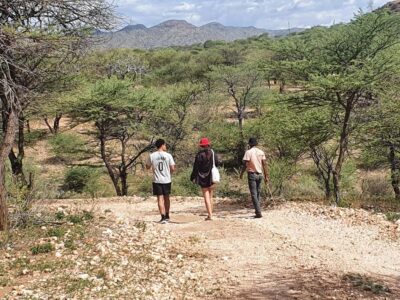
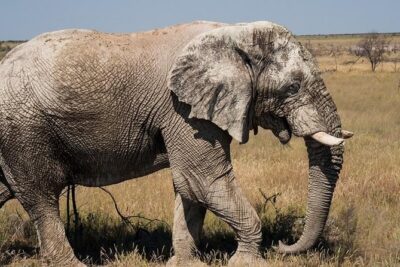
6-Day Dunes and Wildlife Accommodated Safari from Windhoek
Read our review →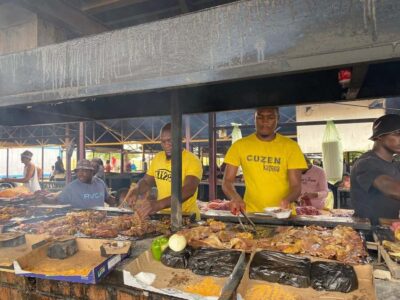
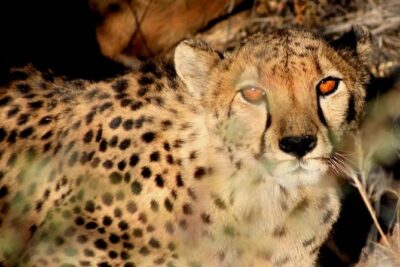
10-Day Namibia Highlights Guided Tour from Windhoek
Read our review →
Browse the lists this tour appears in