
Reviewed · WINDHOEK TOURS
Traditional Cooking Class – Mahangu pap for beginners
Namibia’s everyday food makes more sense when you prepare it with the people who cook it. In this three-hour Windhoek class, you learn to make mahangu pap, a staple millet porridge or dough, then help prepare meat on a braai and sit down to eat what you made.
I like two things right away: the class connects cooking with mahangu farming and storage in a dry country, and it takes place in a local home setting rather than a polished hotel kitchen. The private format also gives you room to ask questions and work at your own pace.
The main consideration is that the food can be adventurous. Mopane worms, goat head, tripe, and dried meat may appear alongside more familiar beef, fish, spinach, and tomatoes. Vegetarian cooking is available, though the plant-based selection may be simpler than the meat menu.
Key points for your Windhoek food plans
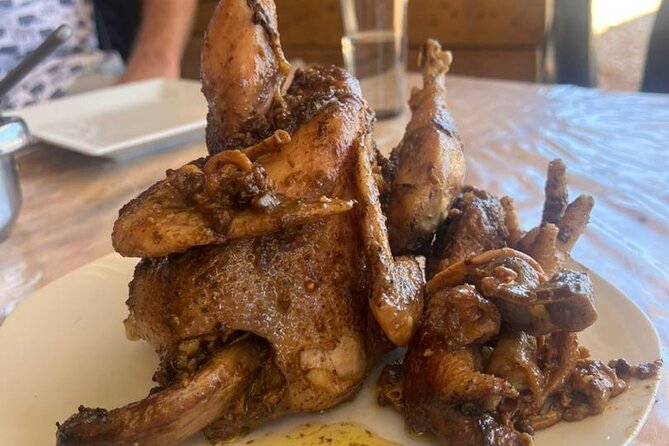
- Mahangu pap from millet: Learn how Namibia’s staple grain becomes a daily food.
- Home cooking in Katutura or Windhoek suburbs: Meet Namibians in a personal setting and share stories over the meal.
- Kapana and braai cooking: Help prepare beef and other local meats over a grill.
- Optional local delicacies: Mopane worms, goat head, tripe, dried meat, and horse mackerel may be part of the meal.
- Private, family-friendly format: Only your group takes part, and children are welcome.
- Pickup and a full meal included: Private transport, snacks, lunch, soft drinks, and bottled water are covered in the $56.99 price.
Why mahangu pap is the right place to begin
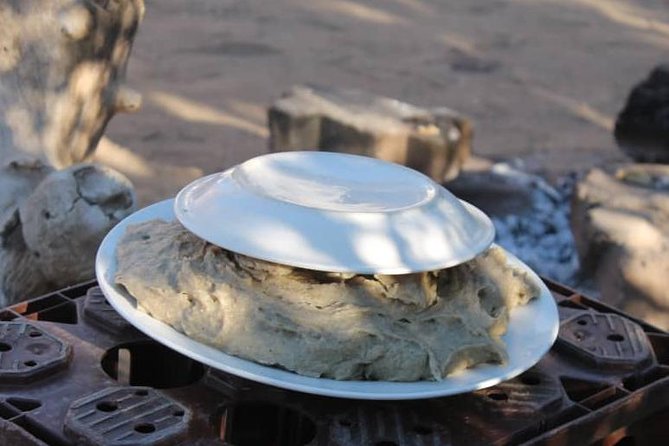
The class starts with mahangu, also called omahangu, a millet that is central to many Namibian meals. Pap is often described as porridge, but the finished food can also be a firm, dough-like staple served with meat, fish, or vegetables. The texture and method matter as much as the ingredient.
You are not simply shown a recipe. The preparation opens a window onto food security in Namibia. Your host explains how local farmers grow mahangu in a dry climate and how the grain is stored for later use. That background gives the dish meaning. You understand why a plain-looking bowl of pap can be such an important part of daily life.
This is also the most useful part to take home. The method is simple enough to repeat in your own kitchen, and one participant enjoyed the class so much that they planned to teach family and friends how to make pap. You will not leave with a formal recipe booklet based on the information available, so pay attention, ask questions, and write down the proportions if you want to recreate it.
Do not expect a Western baking class. The focus is not on exact weights, elaborate plating, or restaurant technique. It is on familiar local food, practical cooking methods, and the way a meal comes together in a Namibian household.
Other Windhoek days worth booking alongside this:
- Windhoek: City and Township Tour
★ 4.8 · 430 reviews - Half-Day Windhoek City and Township Cultural Tour
★ 4.5 · 187 reviews - Windhoek: Bushman Walk with the San
★ 4.9 · 145 reviews
From home kitchen to braai
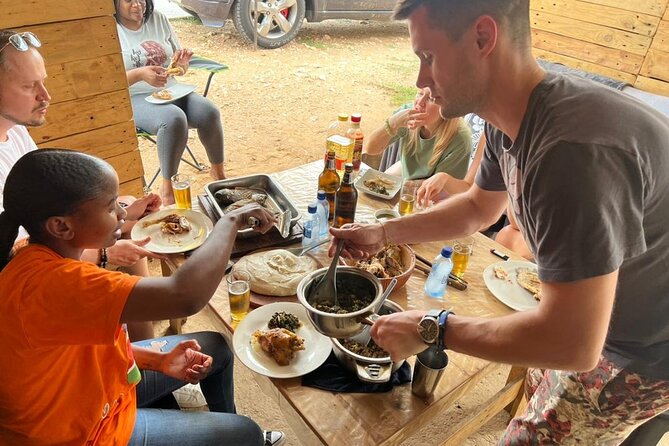
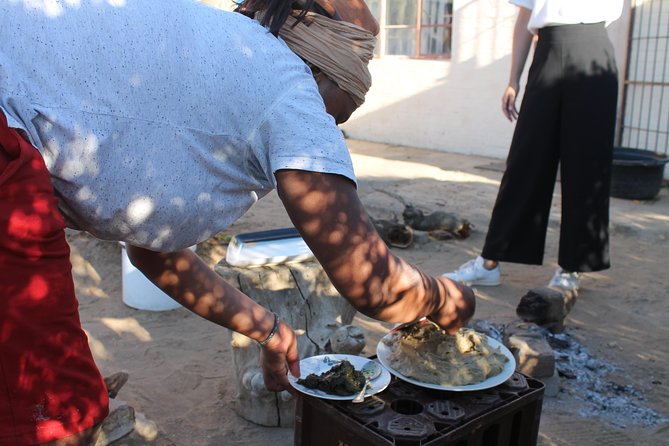
After the mahangu preparation, the class turns toward the savory part of the meal. Beef is cooked on a braai, the Namibian and southern African style of barbecue. This gives the session a relaxed rhythm: prepare the staple, tend the grill, talk with your hosts, then eat together.
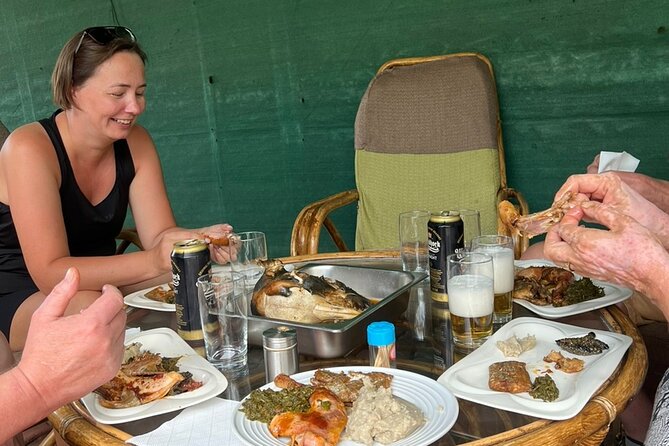
The exact menu can vary. The advertised choices include kapana-style meat, and past menus have included beef, fried fish, dried meat called edhingu, tripe called matangara, and horse mackerel known as masbanker. You may also receive a meat stew, depending on what is being prepared that day.
That variety is useful because it prevents you from treating Namibian food as just grilled meat. Pap is meant to work with sauces, stews, fish, and vegetables. A meal may include spinach and tomato dishes, local spinach, or a sauce whose ingredients are explained during cooking.
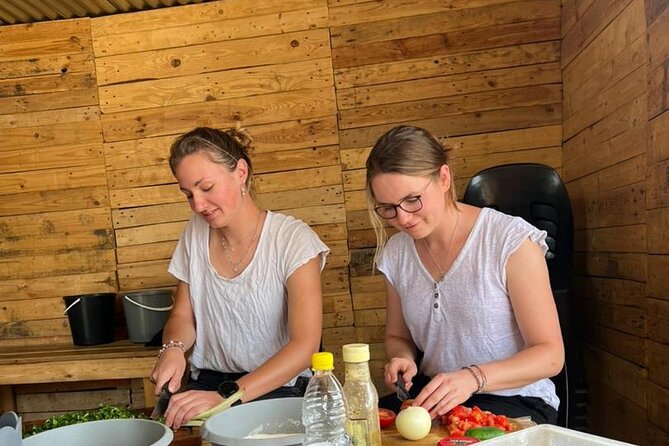
The class is hands-on, though the amount of work you do can depend on the menu and the host. One participant described preparing a substantial meal, while another noted that the cooking moved quickly. If you want more instruction, say so early. The private setup should make that easy, and a personal guide can give you more attention than a large group class.
Goat head, mopane worms, and the brave-bite option
This experience gives adventurous eaters a chance to sample food that many visitors will not meet on a standard restaurant menu. Mopane worms are the best-known example. They are actually caterpillar larvae, usually dried or cooked, and they have a firm texture that can surprise first-time tasters.
Goat head, known locally as smilie, may also be offered. The name comes from the appearance of the cooked head, which is part of the dish’s visual character. Tripe and dried meat can appear too. These are not required tests of courage. The activity is built around cooking and sharing a local meal, so you can ask what is optional before trying anything.
I like that the unusual foods are presented as part of a broader meal, not as a stunt. You can learn how they are used and decide what suits you. One person with no cooking confidence still managed to prepare a mahangu meal and try butterfly larva with help from the guides.
Food preferences should be discussed when you book or before pickup. Vegetarian options include local spinach and marula fruits, and the class can prepare meat-free food. Still, the menu appears stronger on meat and fish than on vegetarian dishes, so plant-based diners should clarify exactly what will be served rather than assume a full separate menu.
Eating in a Namibian home
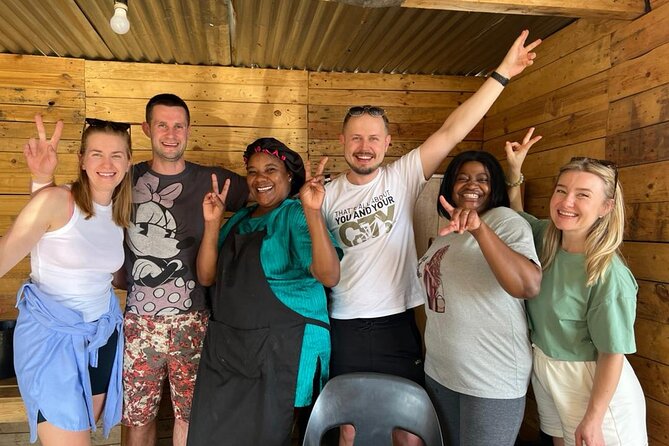
The strongest part of this class is the time around the food. You meet Namibians in their homes, exchange stories, and eat the meal together. That personal contact is more valuable than a short demonstration because you can ask about ingredients, cooking habits, farming, and ordinary life in Windhoek.
The home setting is informal. Past sessions have taken place in a comfortable room at Iyaloo’s house and restaurant, and another class was described as taking place in a suburb of Windhoek, including Katutura. The setting is not presented as a staged cultural show. It is a working home environment, which means you should expect a straightforward space rather than a purpose-built culinary studio.
Cleanliness is a fair concern for anyone entering a private kitchen. Details shared about one session included electricity, a working refrigerator, and frequent handwashing. Those practical touches matter. The food is prepared for you and your host to eat together, not just displayed for a photo.
Guides have included Linda, Iyaloo, Betty, Annely, Sacky, Petrina, and Andrew in different sessions. Linda is described as both a driver and a host in some arrangements, while Andrew has helped with guidance and translation. Staff can vary, but the recurring strength is personal instruction and warm conversation. You may not have the same guide named in an earlier account, so treat those names as examples rather than a guarantee.
Same desert coast, a completely different day out:
- 6-Day Dunes and Wildlife Accommodated Safari from Windhoek
★ 5.0 · 123 reviews - Windhoek City Tour
★ 5.0 · 113 reviews - 10-Day Namibia Highlights Guided Tour from Windhoek
★ 5.0 · 78 reviews - 12 Day Classic Namibia Camping Safari
★ 5.0 · 77 reviews
What the three hours look like
The activity lasts about three hours. Pickup is offered, and a hostel pickup has been described as convenient. The stated meeting point is Christuskirche on Robert Mugabe Avenue in Windhoek, with the activity ending back there. If you arrange transport, confirm the pickup details and timing in advance.
The first stage is the introduction to local meals and ingredients. Your host explains what is being prepared, then begins the mahangu lesson. You learn about the grain, farming, and storage while the pap is made.
Next comes the main cooking period. Depending on the menu, you may help with pap, beef on the braai, fish, stew, spinach, tomatoes, or other local ingredients. Delicacies such as mopane worms or goat head are optional elements to confirm on the day.
The final stage is the shared meal. Snacks, lunch, soda, and bottled water are included, so the $56.99 fee covers more than instruction. Traditional drinks may be available, but alcohol is not included. If you want local beer, budget separately and check what is offered.
The pace is comfortable for children and beginners. You do not need to arrive as a cook. Several sessions have worked well for people who described themselves as inexperienced, since the host guides each step. A three-hour class is long enough to cook and eat without taking up an entire day of sightseeing.
What $56.99 buys you
At $56.99 per person, this is not the cheapest way to eat lunch in Windhoek. It is a stronger value if you want food instruction, a private cultural visit, transport, and a complete meal in one package.
The private format is especially useful for couples, families, and small groups. You are not sharing the lesson with a large busload, and group discounts may reduce the per-person cost for a bigger party. The price includes private transportation, snacks, soda, lunch, and bottled water. Alcohol is the main listed extra.
I would compare the fee with the cost of a restaurant meal plus a separate cultural activity. The class gives you a practical skill, a local host, and context for ingredients you may meet elsewhere in Namibia. It also helps you recognize dishes such as pap, spinach, fried fish, dried meat, and mopane worms later in your trip.
The value is less clear if you only want a quick lunch or dislike hands-on activities. You may spend part of the three hours listening, preparing food, and trying unfamiliar dishes when a restaurant would be faster. This is a food-and-culture outing, not simply a meal delivery service.
Pickup, booking, and small practical points
You receive confirmation at booking unless you reserve within four hours of the start time. In that case, confirmation comes as soon as possible and depends on availability. The activity is often booked about 18 days ahead, so reserve early if your Windhoek dates are fixed.
Free cancellation applies when you cancel at least 24 hours before the start time. Cancellations within 24 hours are not refunded, and late changes are not accepted. The activity also requires a minimum number of participants, despite being private for your own group. If that minimum is not met and the operator cancels, you receive a different option or a full refund.
The meeting point is near public transportation, and service animals are allowed. Children are welcome. Since this is a private activity, you should be able to ask for adjustments, especially around food, but confirm those needs before the class.
One odd point is that individual arrangements have not always followed the standard cooking plan. In one case, a canceled class led to a delicacy food-hopping tour instead. That replacement was well received, but it is a reminder to confirm the exact plan if your booking changes.
Who should book this class
I would choose this for anyone who wants a direct introduction to Namibian food before a longer trip around the country. It is particularly good for curious eaters, families, couples, solo visitors who want a private host, and people who learn best by doing.
It also suits you if you want more than a polished tourism setting. Cooking in a local home, hearing about mahangu farming, and sharing food with Namibians can give you a better feel for daily life than a standard restaurant visit.
You should think twice if you need a tightly fixed menu, prefer only familiar foods, or expect formal culinary training. The setting is personal and practical, not a professional cooking school. Vegetarians can take part, but should ask for a detailed meat-free menu ahead of time. The food may be spicy, large in portion, or different from what you normally eat.
Should you book the mahangu pap class?
Yes, if your idea of a good Windhoek activity includes cooking, conversation, and a few food surprises. The class earns its price through the combination of private transport, lunch, instruction, and access to a local home setting.
Book it with an open appetite and a willingness to ask questions. Confirm the pickup, the names of your guides if important, the vegetarian menu if needed, and which delicacies are planned. If you do that, this should be one of the more personal ways to understand Namibian food, and you may leave with a new staple recipe for your own kitchen.
FAQ
Where does the cooking class begin?
The stated meeting point is Christuskirche, C3JP+VVQ, Robert Mugabe Avenue, Windhoek, Namibia.
Where does the activity end?
The activity ends back at the meeting point.
How long does the class last?
The cooking class lasts approximately three hours.
How much does the experience cost?
The listed price is $56.99 per person.
Is pickup available?
Yes. Pickup is offered, and private transportation is included. A hostel pickup has also been described as convenient.
Is the activity private?
Yes. Only your group participates in the private tour or activity.
Are food and drinks included?
Snacks, soda, lunch, and bottled water are included. Alcoholic beverages are not included.
Are vegetarian options available?
Yes. Vegetarian food can include local spinach and marula fruits. If you need a fully meat-free meal, confirm the details before the class.
Can children join the cooking class?
Yes. Children are welcome.
Can I try mopane worms or goat head?
The class offers adventurous participants the chance to try local delicacies such as mopane worms and goat head, also called smilie. Ask your host which items are available during your session.
Is cancellation free?
You can cancel for a full refund up to 24 hours before the experience start time. Cancellations or changes made within 24 hours are not accepted for a refund.
Just added around Windhoek
- Windhoek: Katutura Township Tour with Local Guide★ 3.5 · 3 reviews
- Windhoek: City & Township tour. Vehicle, guide, kapana★ 4.2 · 4 reviews
- Knight Vibes: Bars, Shebeen, Clubs Crawl Windhoek★ 5.0 · 3 reviews
- Predator Encounter: Half-Day Carnivore Feeding Windhoek★ 4.0 · 5 reviews
- 3 Day Camping safari at Sossusvlei★ 5.0 · 5 reviews
- Airport Transfers★ 5.0 · 5 reviews
- Discover the Routes of N/a’an ku sê.★ 4.0 · 6 reviews
- 3 Day Camping tour at Etosha National Park★ 5.0 · 5 reviews
Windhoek Tours, compared.
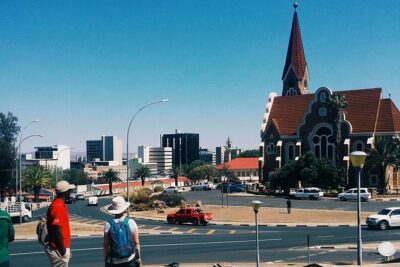
Half-Day Windhoek City and Township Cultural Tour
Read our review →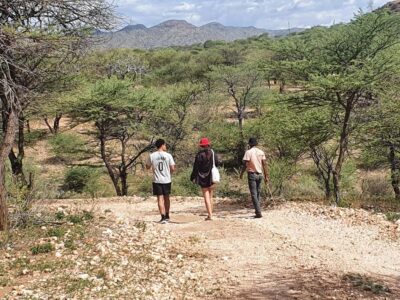

6-Day Dunes and Wildlife Accommodated Safari from Windhoek
Read our review →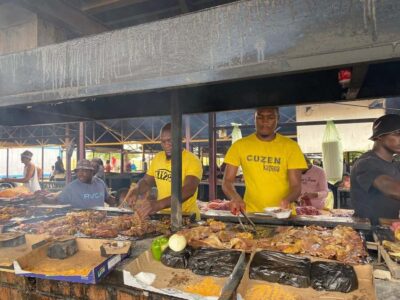
10-Day Namibia Highlights Guided Tour from Windhoek
Read our review →
Browse the lists this tour appears in