
Reviewed · WINDHOEK TOURS
Kapana & Traditional Food Tour; A Namibian Experience
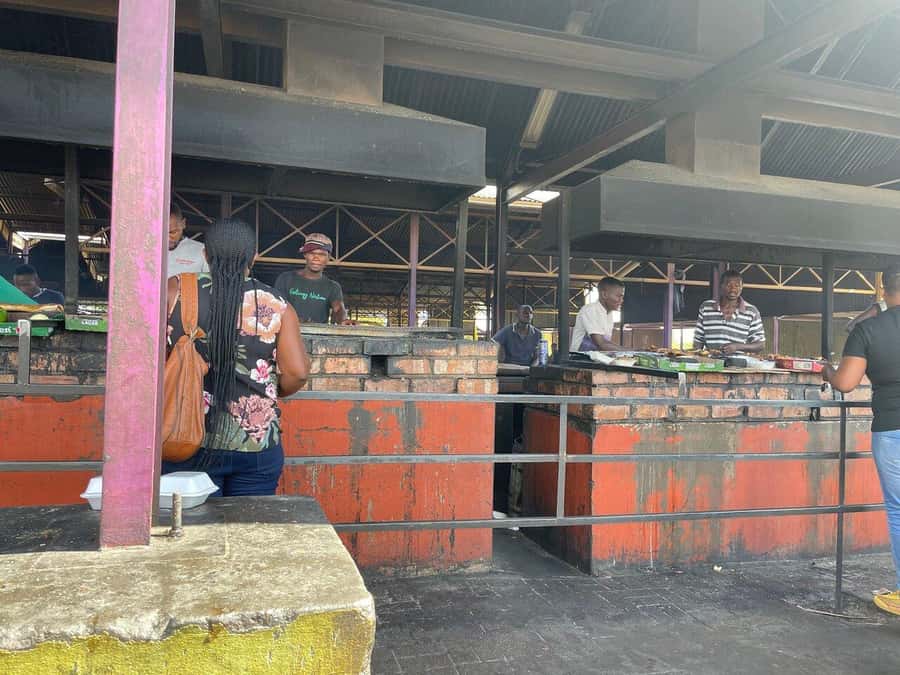
Kapana is the star here: small pieces of beef grilled over open flames and sold as they cook. At Windhoek’s Single Quarter and Oshetu Local Market, you watch the meat being prepared, choose how well done you want it, and eat it hot with spicy sauce, tomato-onion relish, bread, or pap. This is street food with smoke in the air and conversation all around you.
I like the direct contact with local food culture and the way the tour pairs a market visit with a sit-down meal. I also like the guides’ personal touch. Helena is praised for explaining ingredients and cooking methods, while Vicky, Aune, and Victoria have made solo visitors feel welcome and included.
The main consideration is simple: this is not a vegetarian outing. Kapana is beef, and the traditional meal centers on meat and local staples. Bring cash for the market, expect to pay separately for drinks, and allow yourself room for generous portions.
Key points to know before you book
- Kapana is cooked in front of you: Bite-sized beef is grilled over open fire and served as it is ready.
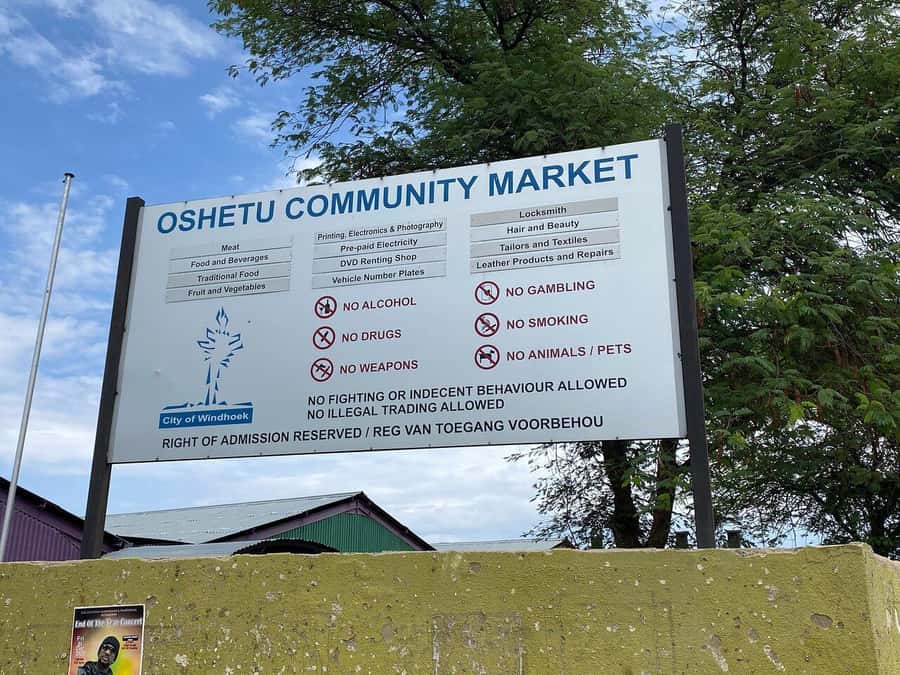
- Single Quarter and Oshetu Market add local context: You visit township food areas rather than staying in Windhoek’s tourist center.
- The meal continues at a local restaurant: You sample several traditional dishes after the street food stop.
- Private transport keeps the afternoon easy: Hotel pickup and drop-off in Windhoek are included.
- The guides shape the experience: Helena, Victoria, Vicky, and Aune are named in the tour feedback as warm and engaging hosts.
- The $50 price includes the important parts: Food, transport, fuel, mineral water, and guiding are covered, but beverages are extra.
Why kapana is the right place to start
If you want to understand Windhoek through its food, kapana is a smart first stop. The dish is more than grilled beef. It is a quick, social meal prepared at street stalls, where the cooking is visible and the food is sold in small portions as it comes off the fire.
The name comes from the Oshiwambo word for meat. In practice, kapana usually means beef cut into small pieces, cooked over open flames, and served with sauces and side dishes. The attraction is partly the flavor, but also the process. You can watch the meat being cut and grilled instead of receiving a finished plate with no sense of where it came from.
Your guide can help explain the seasonings and accompaniments. Expect salt, pepper, chili, and other local flavors, with the heat level varying by sauce. Kapana may come with bread rolls, a tomato and onion relish often called kapana sauce, pap, and hot chili sauces.
I like that this setup gives you choices. You may be able to select cuts and ask for rare, medium, or well-done meat. That makes the stop more personal than a standard restaurant tasting, though you should still tell the guide clearly what you prefer.
A few more Windhoek trips to weigh up
- Sandwich Harbour 4X4 Excursion Tour Food and Drinks
★ 5.0 · 48 reviews
Leaving central Windhoek for Single Quarter
The tour begins with pickup at your accommodation in Windhoek Central. Your driver meets you at the hotel lobby or reception, then takes you toward the township area of Single Quarter in Khomas.
The drive matters because it shifts the focus away from the polished center of town. You are going to a working food area where people shop, cook, and eat as part of daily life. This is not a staged cultural show built around a souvenir stop. The point is to see how a popular local food is prepared and shared.
That said, the market setting may feel less controlled than a restaurant. You should be comfortable with open-air cooking, busy food stalls, and a more informal atmosphere. The tour is a good match for an open-minded eater who wants local context, not for someone who prefers a quiet, predictable meal.
The private group format is useful here. Instead of trying to follow a large crowd, you can ask the guide to explain an ingredient, repeat a point, or help you decide what to try. Solo participants have sometimes had the guides to themselves, which can turn the four-hour outing into a long conversation about Windhoek and Namibian food.
Watching the fire at Oshetu Local Market
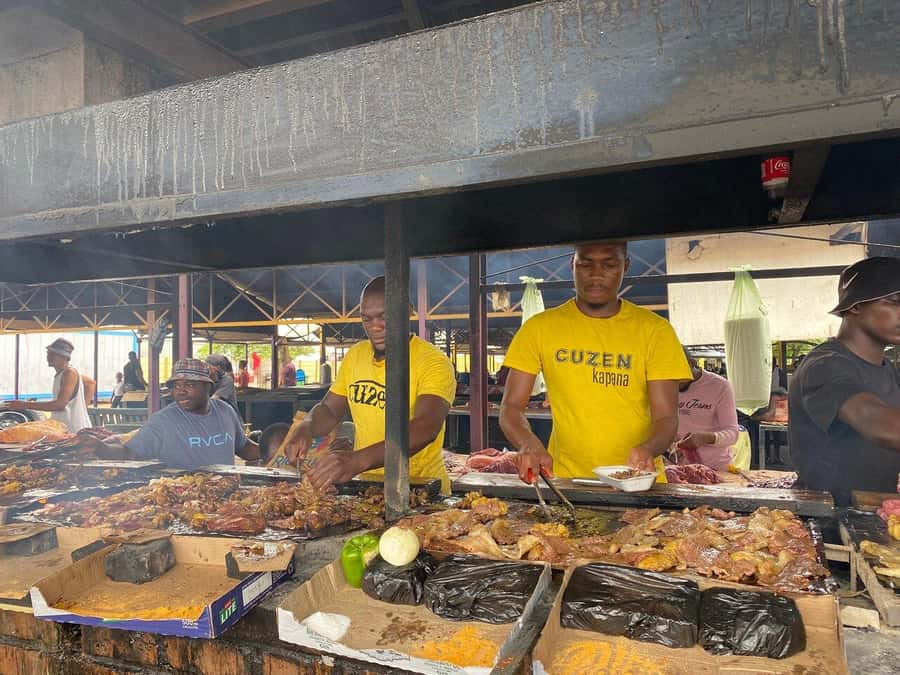
The kapana session takes place after the market visit, with Oshetu Local Market forming a major part of the afternoon. You can expect a street-side food scene where beef is cut into small pieces, placed over an open fire, and sold while it cooks.
The smoke and heat are part of the experience. So is the interaction. Rather than receiving a fixed tasting plate, you get a closer look at how the food is prepared and served. Your guide can explain what you are seeing and help bridge the gap between a familiar idea, grilled meat, and the local way kapana is eaten.
The sauce is important. A tomato and onion mixture adds freshness to the smoky beef, while chili can bring a serious kick. Pap gives the meal a softer, filling side. Bread may also be available. Since the food is served in small pieces, you can try the accompaniments together and see how the flavors change.
Bring cash, as requested for this experience. The tour includes kapana, but cash is still a sensible item for any personal purchase at a market. A camera is also suggested, though ask before photographing people or food vendors. Drones are not allowed, and explosive substances are prohibited.
The social side of eating kapana
Kapana works best when shared. People gather around the food, talk, and eat from the same general supply of freshly grilled meat and sauces. The social setting gives the dish its character, so do not rush through the stop as if it were simply a snack between attractions.
I especially like this part for solo visitors. A food tour can otherwise leave you standing at the edge of a market, unsure what to order or how to join in. Here, the guide provides a bridge. Helena, Vicky, Aune, and Victoria are all named as engaging companions who explain the food and keep conversation moving.
The experience also gives you a more useful view of Namibian cooking than a single restaurant plate can offer. You see street food, ask questions, and then compare it with a fuller traditional meal later. That contrast is one of the strongest reasons to choose this tour.
You should not expect a formal cooking lesson. The focus is on tasting, watching, and talking. If you want detailed instruction on recipes or a hands-on class, this is not that kind of activity. If you want to understand what people eat and how food fits into community life, it delivers much more.
Same desert coast, a completely different day out:
- Windhoek: City and Township Tour
★ 4.8 · 430 reviews - Half-Day Windhoek City and Township Cultural Tour
★ 4.5 · 187 reviews - Windhoek: Bushman Walk with the San
★ 4.9 · 145 reviews - 6-Day Dunes and Wildlife Accommodated Safari from Windhoek
★ 5.0 · 123 reviews
A traditional meal in Katutura
After the market and kapana stop, the tour continues to a local restaurant for lunch. The restaurant is described as a small place in Katutura, run by a young woman who is an experienced cook. The setting gives the second half of the outing a different feel from the open fire and market stalls.
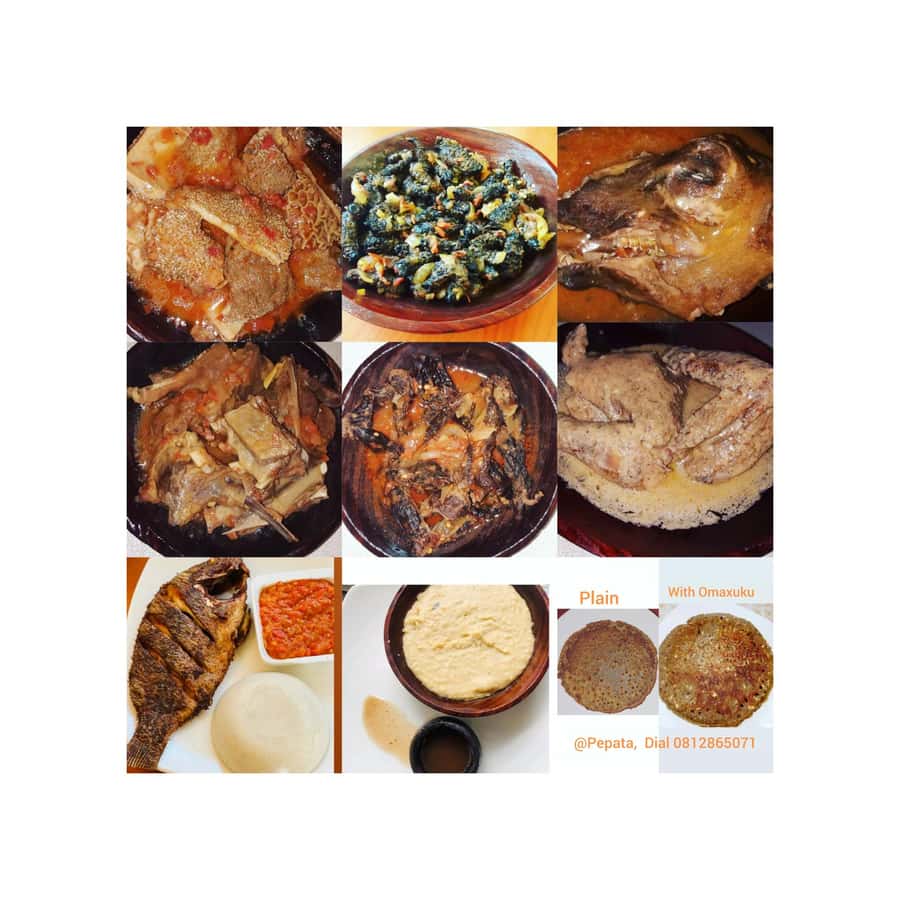
Here, you can sample a variety of traditional dishes rather than stopping with beef and sauce. The exact selection is not fixed in the information provided, so your guide will be the best person to explain what is being served on the day. Expect local staples and hearty portions.
The generous serving sizes are worth noting. You may need to limit how much you take at first if you want to taste several dishes. This is a common issue on food tours: the most interesting food keeps arriving, but your appetite has a practical limit.
Helena has been singled out for explaining common ingredients, how they are prepared, and what they are used for. That kind of explanation is valuable because it turns lunch into a lesson without making it feel like a classroom. You learn not just what is on the plate, but how it fits into everyday Namibian cooking.
The meal also lets you slow down. The market is about the fire, the stall, and the immediate bite. The restaurant is about sitting, comparing flavors, and asking questions. You get both sides of the food culture in one half-day outing.
What the guides add to the afternoon
The guide is central to the quality of this experience. Food markets can be confusing without someone who knows what to order, how to describe it, and when to add the hot sauce. An English-speaking guide accompanies the tour, and the named guides include Helena, Victoria, Vicky, and Aune.
Helena’s role has included explaining ingredients and preparation in clear detail. Vicky and Aune have been praised for sharing information while keeping the mood friendly. Victoria is identified as the driver on one outing and also as an engaging meal companion.
The names matter because this is a personal tour, not an audio guide. The atmosphere can change depending on who leads it, but the repeated pattern is an afternoon built around conversation and explanation. If you are traveling alone, that personal contact can be a major benefit.
The private group arrangement also means you are not locked into a large group’s pace. It can be especially helpful if you have never tried kapana or are unsure about spicy food. Tell the guide what you like, what you want to avoid, and how adventurous you feel.
Is $50 a fair price?
At $50 per person, the price is reasonable if you want a complete food outing rather than a single market tasting. The cost includes hotel pickup and drop-off, transport during the tour, fuel, kapana, traditional food, and mineral water.
That list covers the expensive and inconvenient parts. You do not need to arrange a taxi to the township areas, negotiate transport, or pay separately for the main food stops. The four-hour duration also gives the tour enough time to include both the market and restaurant meal.
Drinks are not included. If you want soft drinks or other beverages, budget extra. Cash is also listed among the things to bring, so I would not arrive with only a bank card.
The value is strongest for first-time visitors to Windhoek who want guidance. You could probably spend less on a single local meal, but that would not include the drive, market visit, explanations, and chance to compare street food with restaurant cooking. For a private four-hour experience with food included, the price is fair.
Who should book this food tour?
I would recommend it to meat eaters who want a close look at Windhoek’s everyday food culture. It suits curious first-time visitors, solo participants, couples, and small private groups. It is also a useful choice if you have limited time in Windhoek and want food, a township visit, and local conversation in one afternoon.
You should book it if you enjoy smoky grilled meat, spicy sauces, generous traditional dishes, and informal settings. You should also be ready to ask questions and try something beyond the food served in standard hotel restaurants.
This is not suitable for vegetarians. It may also be a poor fit if you dislike beef, open-fire cooking, or food served in a market setting. The meal portions can be large, so pace yourself at the kapana stop if you want to sample the restaurant dishes properly.
The tour is also a good choice for anyone who wants context rather than a checklist of sights. You will not spend the afternoon ticking off monuments. Instead, you will learn how food is prepared, sold, seasoned, and shared in parts of Windhoek that many short city visits skip.
Practical details for a smooth afternoon
The tour lasts four hours and begins and ends in Windhoek Central. Pickup is included from your accommodation, with the driver meeting you at the hotel lobby or reception.
Wear something comfortable for a food-focused outing, though no special clothing is listed as required. Bring a camera and cash. Mineral water is included, but other beverages cost extra.
Free cancellation is available up to 24 hours before the activity for a full refund. You can also reserve now and pay later, which helps if your Windhoek schedule is still moving around. Starting times depend on availability, so check the time before booking.
The tour is conducted in English. It is a private group experience, which gives you more room to ask about ingredients, food customs, and life in Windhoek than you would have in a large shared group.
Should you book the Kapana and Traditional Food Tour?
Book it if you want to eat where the food has a social purpose, not just where a menu has been translated for visitors. The combination of open-fire kapana at Oshetu Local Market and a sit-down traditional meal gives you a fuller picture of Namibian cuisine than either stop alone.
The best reason to go is the balance: street food first, explanation throughout, and a generous restaurant meal to finish. The main limit is the meat-heavy menu and informal market setting. If that suits you, $50 buys a well-organized four-hour introduction to Windhoek’s food culture, with transport and the main tastings already covered.
FAQ
How long does the Kapana and Traditional Food Tour last?
The tour lasts four hours, including hotel pickup, transport to the township food areas, the market and kapana stop, a traditional meal, and return to Windhoek Central.
Where does the tour start and finish?
Pickup and drop-off are provided in Windhoek Central. The driver meets you at your accommodation, at the hotel lobby or reception.
What is included in the price?
The $50 price includes transport during the tour, pickup and drop-off, fuel, kapana, traditional food, and mineral water.
Are drinks included?
No. Beverages other than the included mineral water are not included, so you should budget extra if you want something else to drink.
Is the tour suitable for vegetarians?
No. The experience is not suitable for vegetarians. Kapana is grilled beef, and the traditional meal also focuses on meat and local dishes.
Which language is spoken on the tour?
The tour is conducted in English, and the driver is also listed as English-speaking.
What should I bring?
Bring a camera and cash. The experience also advises guests not to bring drones or explosive substances.
Can I cancel the tour if my plans change?
Yes. You can cancel up to 24 hours in advance for a full refund. The tour also offers a reserve-now, pay-later option.
Just added around Windhoek
- Windhoek: Katutura Township Tour with Local Guide★ 3.5 · 3 reviews
- Windhoek: City & Township tour. Vehicle, guide, kapana★ 4.2 · 4 reviews
- Predator Encounter: Half-Day Carnivore Feeding Windhoek★ 4.0 · 5 reviews
- Knight Vibes: Bars, Shebeen, Clubs Crawl Windhoek★ 5.0 · 3 reviews
- Airport Transfers★ 5.0 · 5 reviews
- Discover the Routes of N/a’an ku sê.★ 4.0 · 6 reviews
- 3 Day Camping safari at Sossusvlei★ 5.0 · 5 reviews
- 3 Day Camping tour at Etosha National Park★ 5.0 · 5 reviews
Windhoek Tours, compared.
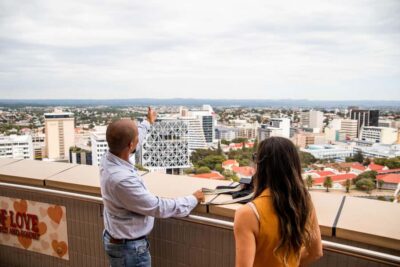
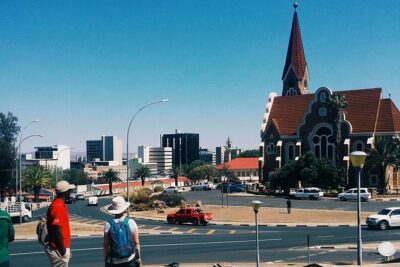
Half-Day Windhoek City and Township Cultural Tour
Read our review →

6-Day Dunes and Wildlife Accommodated Safari from Windhoek
Read our review →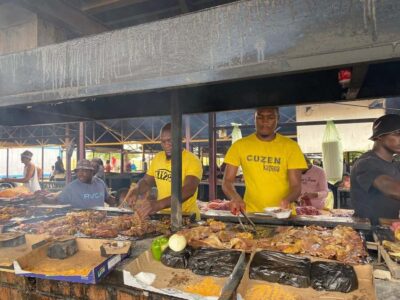

10-Day Namibia Highlights Guided Tour from Windhoek
Read our review →
Browse the lists this tour appears in