
Reviewed · CITY TOURS
City Tour of Windhoek Namibia
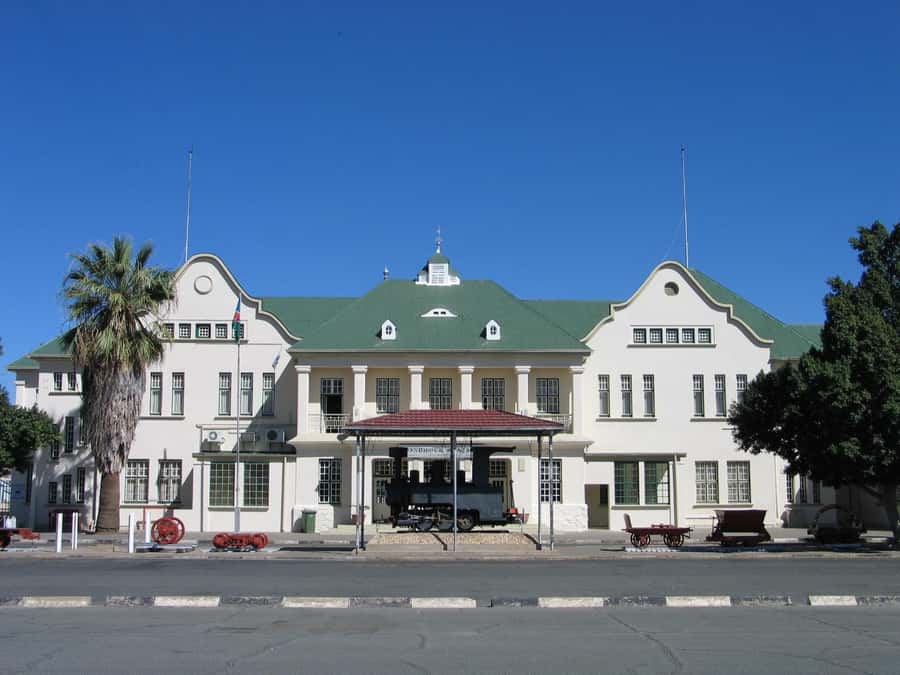
Windhoek’s story comes into focus when you move between its German colonial buildings, national museums, and Katutura Township. This three-hour private tour gives you that contrast in one compact outing, with time for city sights and a local food tasting.
I like the Katutura degustation, which adds more than another round of city photographs, and I like that entrance fees and water are included in the $84 price. The main thing to consider is the short schedule: Windhoek has more to see than can fit into three hours, so this works best as an introduction rather than a full city exploration.
Key points to know before you book
- Katutura adds a local side of Windhoek: The township visit and food tasting bring African culture into a tour that also covers formal civic buildings and colonial-era sites.
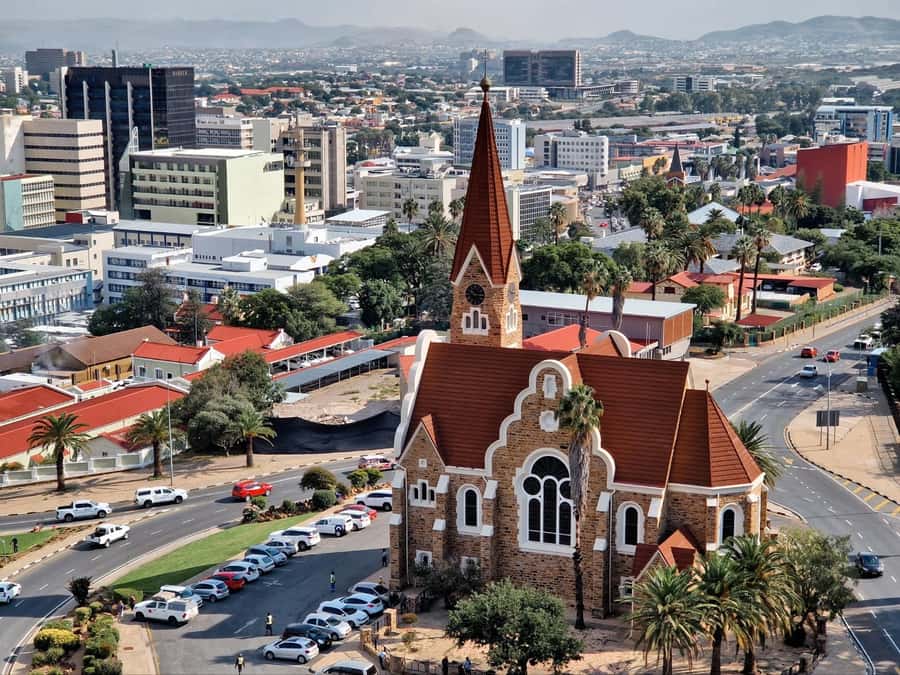
- Christuskirche is an early visual anchor: The church offers a clear starting point for understanding Windhoek’s European architectural influence.
- Several major sights fit into one private outing: You visit the city center, Independence Avenue, Tintenpalast, Alte Feste, and museums within three hours.
- History is a major theme: The Independence Museum and Train Station Museum help connect Namibia’s past with its present-day capital.
- Betty and Merrin are named guides to look for: Betty has been praised for her passion for history, while Merrin led a highly rated tour in April 2024.
- The price includes useful extras: At $84 per person, you get entrance fees, bottled water, and a Katutura tasting, not just transport and commentary.
Why this Windhoek tour works as an introduction
Windhoek can feel spread out in meaning, even when the individual sights are close together. One street points toward German colonial rule, another toward independent Namibia, and another toward the daily life of communities shaped by the country’s past.
This tour links those pieces in a sensible way. You begin in Windhoek, visit the main sights on foot and by sightseeing stops, and return to the same city after three hours. The format suits you if you have limited time, are stopping in Windhoek before heading to other parts of Namibia, or want a guide to explain what you are seeing rather than simply taking photographs.
The private format is a useful advantage. You are not placed in a large group with a fixed pace, and you can focus on the parts that matter most to you within the time available. The tour is in English, and the named guides associated with this experience include Betty and Merrin. Betty was praised for her passion for Namibia’s history, which is important here because the city’s buildings make much more sense once their political and social background is explained.
At $84 per person, this is not the cheapest way to walk around Windhoek. The value comes from the combination of a private guide, entrance fees, bottled water, and food tasting. If you visited only the outside of the main buildings, you would pay less, but you would also miss much of the context and the included indoor visits.
A few more Windhoek trips to weigh up
- Windhoek: City and Township Tour
★ 4.8 · 430 reviews - Half-Day Windhoek City and Township Cultural Tour
★ 4.5 · 187 reviews - Windhoek City Tour
★ 5.0 · 113 reviews
Christuskirche and the first look at colonial Windhoek
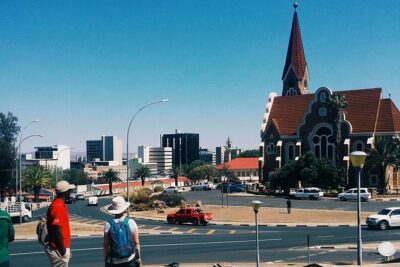
Christuskirche is one of the clearest symbols of Windhoek’s German colonial past. Its presence gives the tour a strong visual opening, since the building helps you see how European influence shaped the capital’s early public architecture.
Your stop includes sightseeing and a photo opportunity, with the guide adding context as you look around. I would pay attention to the contrast between the church’s formal design and the African capital around it. That contrast is one of the central ideas of the tour.
Christuskirche is not presented as the whole story of Namibia. It is one chapter, and a complicated one. The value of having a guide here is that you can place the building within the wider story rather than treating it as a picturesque landmark without context.
You should also keep your expectations practical. The supplied details do not promise an extended interior visit or a long architectural tour, so this is best understood as a focused stop within a larger city circuit. The guide’s explanation is likely to matter more than the amount of time spent inside.
Independence Avenue and the working city center
From the church, the route turns toward central Windhoek and Independence Avenue. This is where the tour shifts from historic monuments to the everyday capital, with shops, cafes, markets, crafts, and souvenirs along the way.
I like this part because it prevents the city tour from becoming a parade of official buildings. You get a sense of Windhoek as a place where people shop, eat, work, and move through the day. The avenue also provides a natural link between the older European influence and the independent nation Namibia is today.
The market and craft element can be useful if you want a small, easy-to-carry reminder of Namibia. Personal purchases are not included, so bring your buying decisions back to your own budget. The tour price covers the organized experience, not souvenirs or other personal spending.
Because the visit lasts only three hours, you should not expect a long, unhurried shopping session. Think of Independence Avenue as a guided look at the city center, with time to notice its character and perhaps identify places you want to return to later.
Tintenpalast and Alte Feste connect politics with military history
The route also takes in Tintenpalast, Namibia’s parliament building, and Alte Feste, a former fortress now used as a museum. These two stops offer different ways to read the capital.
Tintenpalast represents the country’s modern political life. Its importance is less about simply seeing an official building and more about understanding Windhoek as the seat of Namibia’s government. The stop gives the tour a present-day focus after the colonial associations of Christuskirche.
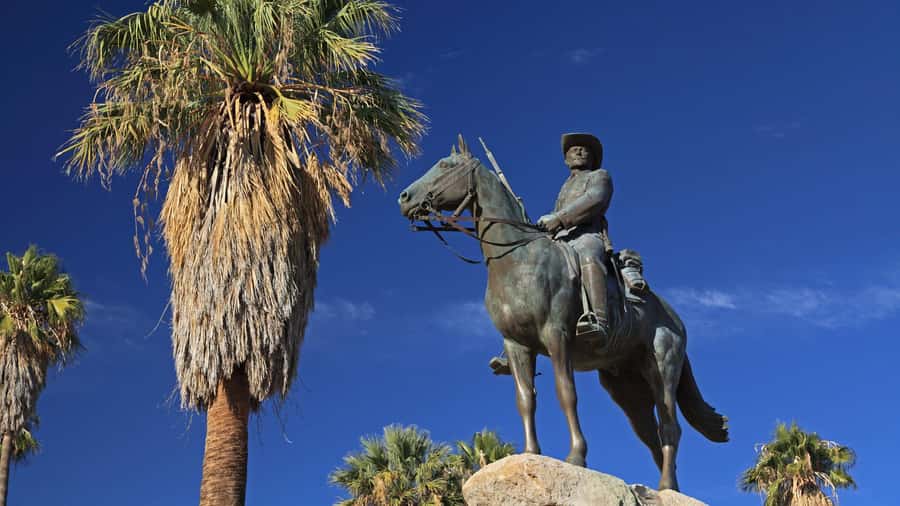
Alte Feste points further back. As a former fortress and museum, it helps explain the military and administrative side of the city’s past. The pairing is effective: one site represents national government, while the other recalls the structures that helped shape earlier colonial rule.
I would listen closely during these stops, especially if the details of Namibian politics and colonial history are new to you. The buildings alone cannot tell the whole story. A guide who enjoys history can turn a short stop into a much more useful lesson, and Betty’s reported interest in the subject is a good match for this part of the route.
The practical limitation is again time. The tour includes several landmarks, so you will get an overview rather than a slow museum day. If you like spending an hour or more with each exhibit, you may want to return independently.
Same desert coast, a completely different day out:
- Windhoek: Bushman Walk with the San
★ 4.9 · 145 reviews - 6-Day Dunes and Wildlife Accommodated Safari from Windhoek
★ 5.0 · 123 reviews - 10-Day Namibia Highlights Guided Tour from Windhoek
★ 5.0 · 78 reviews - 12 Day Classic Namibia Camping Safari
★ 5.0 · 77 reviews
Independence Museum and Train Station Museum
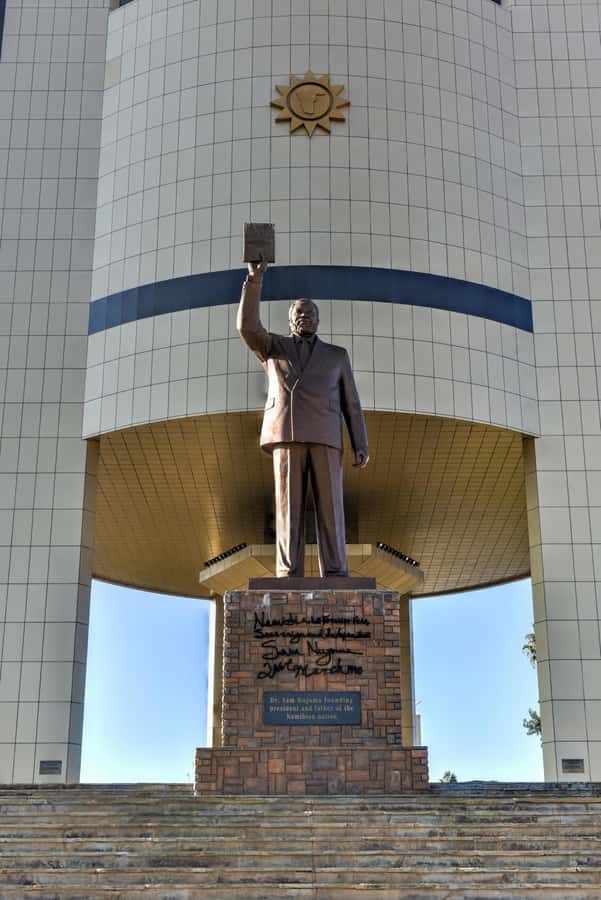
The Independence Museum provides another important link to Namibia’s national story. Its focus gives you a chance to move beyond colonial architecture and learn about the country’s road to independence.
That balance matters. A city tour built only around German-era buildings would give you a narrow view of Windhoek. The museum helps shift attention toward Namibian identity and the events that shaped the modern state.
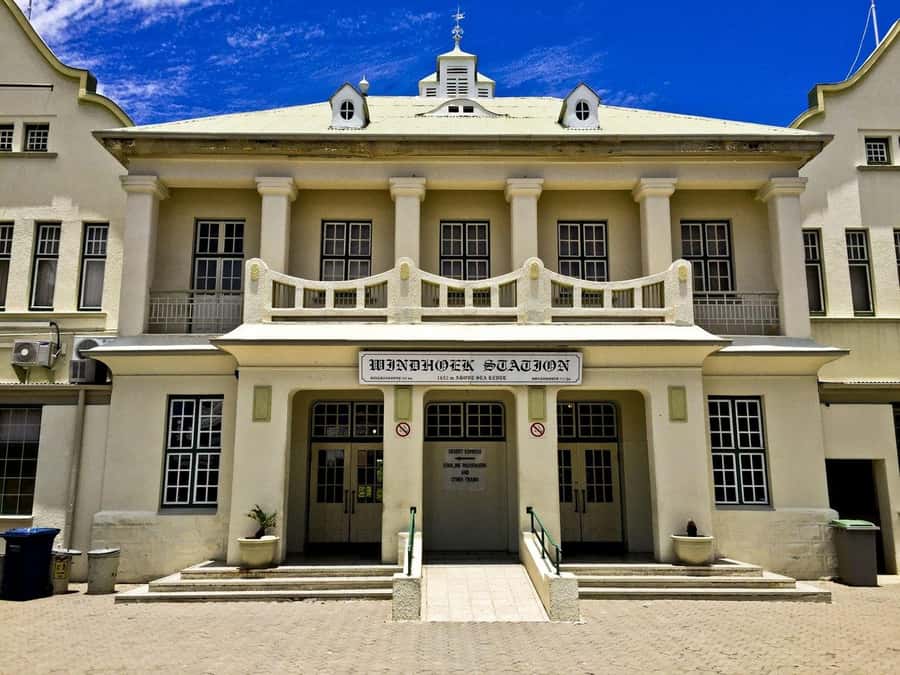
The Train Station Museum adds a different kind of record. Railways often reveal how a city was connected, administered, and developed, and a station museum can make the story feel more concrete than a general historical display. Here, the stop broadens the tour from politics and monuments to transport and urban growth.
The available details do not specify how much time you spend in each museum or which exhibits are open on the day. I would treat both as guided highlights rather than assume you will see every room. If a particular museum is especially important to you, ask the guide at the beginning how the three hours will be divided.
Katutura shows another side of the capital
The Katutura Township visit is the part that gives this tour its strongest local focus. Rather than staying within the formal center, you travel to a community with a different history and social character.
Katutura is not simply another stop for photographs. The township helps you see how Windhoek’s past affected where people lived and how the city developed. That context gives meaning to the earlier museum and political stops.
The experience includes a degustation in Katutura. The word indicates a tasting, not a full restaurant meal, so you should plan your expectations accordingly. It is a chance to try local culinary offerings and connect food with place, which makes the tour feel less like a list of monuments.
The food portion is also one reason the $84 price has reasonable value. Entrance fees cover the cultural sites, while the tasting adds a direct, sensory part of the visit. You should still budget separately for any additional meals, drinks, or personal purchases, since those are not included.
The township visit deserves a respectful attitude. Listen to the guide, ask questions politely, and remember that this is a living community, not a stage set. The tour description promises a visit and tasting, but it does not specify the exact foods, vendors, or amount served. If you have allergies or dietary limits, ask before booking or before the tasting begins.
What the three-hour schedule feels like
Three hours is enough for a well-shaped introduction, but not enough for a leisurely examination of every location. The route includes a photo stop, visits, sightseeing, walking, museums, the city center, and Katutura. That is a fair amount in a short window.
I would choose this tour early in your Windhoek stay. It can help you understand the city before you explore alone, and it lets you mark places for a later return. It also suits a day when you want a clear overview without committing to a full-day outing.
The private group format should help with pacing, although the total time remains fixed. You can ask for clarification, spend more time on a favorite subject, or keep moving if you are more interested in seeing a broad range of places. The exact balance depends on the guide and the day’s schedule.
A bottle of water is included, which is a small but useful touch for a walking-based city visit. Entrance fees are included too, so you do not need to calculate admission costs at each stop. Optional activities and additional activities cost extra, and personal medical insurance and repatriation are specifically your responsibility.
The guides and the tone of the experience
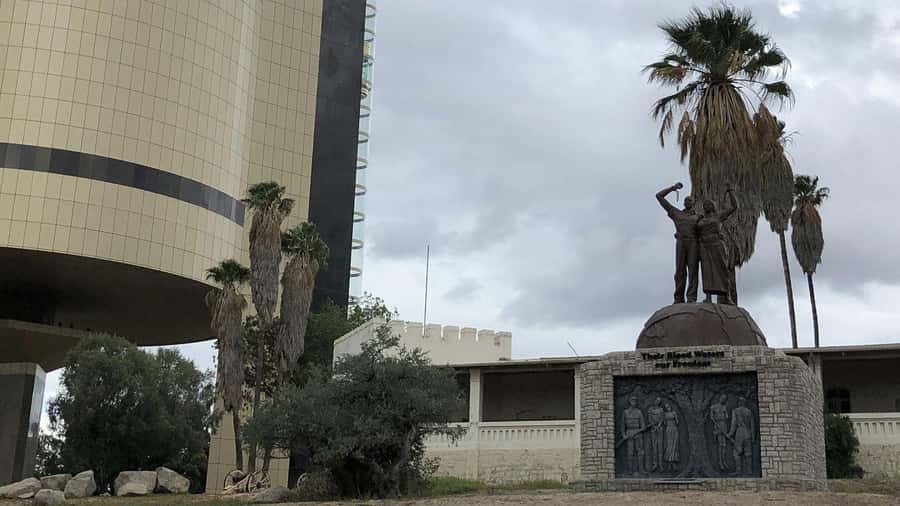
The quality of a short city tour depends heavily on the guide. There is not enough time for long explanations at every site, so a guide must choose the useful details and connect them clearly.
Betty is specifically associated with an energetic interest in history. That makes her a strong fit if you want more than names and dates. Merrin also led a highly rated outing, suggesting that the guide can make the city center and township portion work well together.
The tour is conducted in English. If you understand English comfortably, you should be able to follow the historical and cultural explanation as the group moves between sites. The private format also gives you a better chance to ask questions than a large shared coach tour.
The overall rating is 4.5 from nine ratings, a solid result but not a huge sample. I would read it as encouraging rather than definitive. The clearest praise centers on the guides, the history content, and the combination of township and city-center sightseeing.
Who gets the best value from the $84 price
This tour makes the most sense for you if:
- You have only a few hours in Windhoek.
- You want an English-speaking guide rather than a self-guided walk.
- You care about history and civic landmarks.
- You want to include Katutura without arranging a separate visit.
- You like having entrance fees and a tasting built into the price.
- You prefer a private group to a large shared tour.
The price is less compelling if you plan to see only the outside of the main buildings or spend most of your time shopping. You might also prefer another option if your main interest is food, because the Katutura offering is a tasting within a wider city tour, not a dedicated food excursion.
For a first look at Windhoek, though, the package is well balanced. It joins colonial architecture, national independence, government, transport history, local community life, and food in one short outing. That range is the main reason I would consider it good value.
Booking details worth keeping in mind
Pickup and return are in Windhoek, and the advertised duration is three hours. Starting times vary, so you need to check availability for the date you want.
You can cancel up to 24 hours in advance for a full refund, and the reserve-now, pay-later option keeps you from paying at the time of booking. Those policies are useful if your Namibia plans may shift.
The tour includes bottled water, entrance fees, and the Katutura degustation. It does not include personal purchases, medical insurance, repatriation, or optional activities. The experience is operated by Motema Tours and Safaris Namibia.
Should you book this Windhoek city tour?
Book it if you want a compact but wide-ranging introduction to Windhoek, especially one that gives Katutura equal importance alongside Christuskirche, museums, and government buildings. The private format, included admissions, and food tasting make the $84 easier to justify.
Skip it if you want slow museum visits, a full meal, or a deep focus on one subject. Three hours moves quickly, and the tour is designed to connect several parts of the capital rather than examine one in great detail.
For most first-time visitors with limited time, I would choose this as an orientation tour and use the guide’s suggestions to decide what deserves a second look. The best reason to book is not any single landmark. It is the way the route links Namibia’s colonial past, independent present, and everyday city life.
FAQ
Where does the tour begin and end?
The pickup location is Windhoek, and you arrive back in Windhoek after the tour.
How long does the city tour last?
The tour lasts three hours.
Is the tour private?
Yes. It is offered for a private group.
What language does the guide speak?
The live tour guide conducts the experience in English.
What is included in the $84 price?
The price includes a bottle of water, entrance fees, and a degustation in Katutura.
Can I cancel the booking?
Yes. You can cancel up to 24 hours in advance for a full refund.
Just added around Windhoek
- Windhoek: Katutura Township Tour with Local Guide★ 3.5 · 3 reviews
- Windhoek: City & Township tour. Vehicle, guide, kapana★ 4.2 · 4 reviews
- Predator Encounter: Half-Day Carnivore Feeding Windhoek★ 4.0 · 5 reviews
- Knight Vibes: Bars, Shebeen, Clubs Crawl Windhoek★ 5.0 · 3 reviews
- 3 Day Camping safari at Sossusvlei★ 5.0 · 5 reviews
- Airport Transfers★ 5.0 · 5 reviews
- Discover the Routes of N/a’an ku sê.★ 4.0 · 6 reviews
- 3 Day Camping tour at Etosha National Park★ 5.0 · 5 reviews
City Tours, compared.
Half-Day Windhoek City and Township Cultural Tour
Read our review →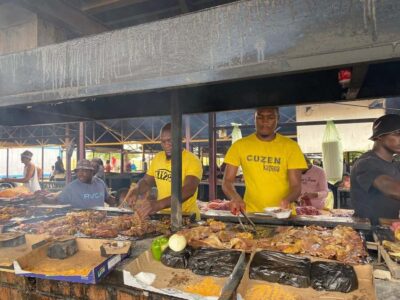
swakopmund city tour dune 7 pink lake pink flamingos
Read our review →
Walvisbay & Coastal Town City Private Local Guided Day Tour for Cruise Ships
Read our review →
Browse the lists this tour appears in