
Reviewed · WINDHOEK TOURS
Discover the Roots of N/a’ankuse – A feeding Day Tour
N/a’an ku sê’s feeding tour gives you a close look at Africa’s predators, but it is important to understand what you are booking: this is a sanctuary feeding experience, not a game drive. Your guide feeds the animals while explaining how they came to live at the reserve, so the focus is on conservation and animal care rather than tracking wild creatures.
I like the small group of no more than five people, which makes it easier to hear the guide and ask questions. I also like the direct hotel pickup from Windhoek, a useful touch when you want a wildlife outing without arranging your own car. The main drawback is value: at $180 per person, the price may feel high if the feeding session is quiet or fewer animals appear.
Key points to know before booking
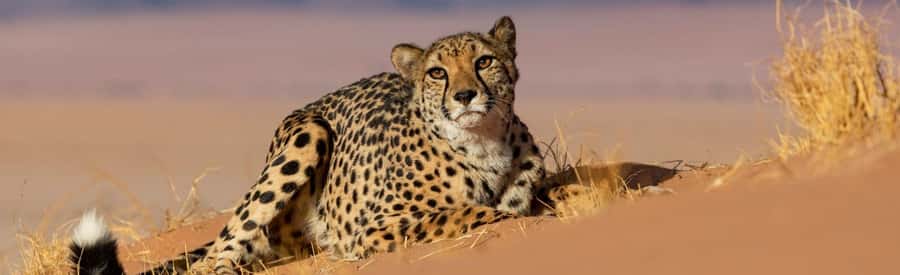
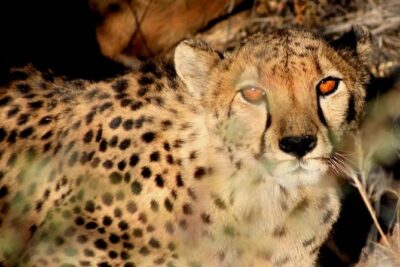
- Predator feeding is the main event: Expect cheetahs, caracals, leopards, African wild dogs, and baboons to be presented during a guided feeding session.
- This is not a safari drive: The animals are fed by the guide, so sightings are structured rather than based on chance encounters.
- Only five people join the group: The small format gives you a better view and more room for questions.
- Your day runs from 08:30 to about 14:00: Hotel pickup and drop-off are provided at the Avani Windhoek Hotel & Casino or Hilton Windhoek.
- Conservation is part of the story: You learn how animals arrived at N/a’an ku sê and how the sanctuary supports its mission.
- The $180 price needs careful thought: Transport, drinks, and the guided session are included, but lunch and other extras are not.
Leaving Windhoek at 08:30
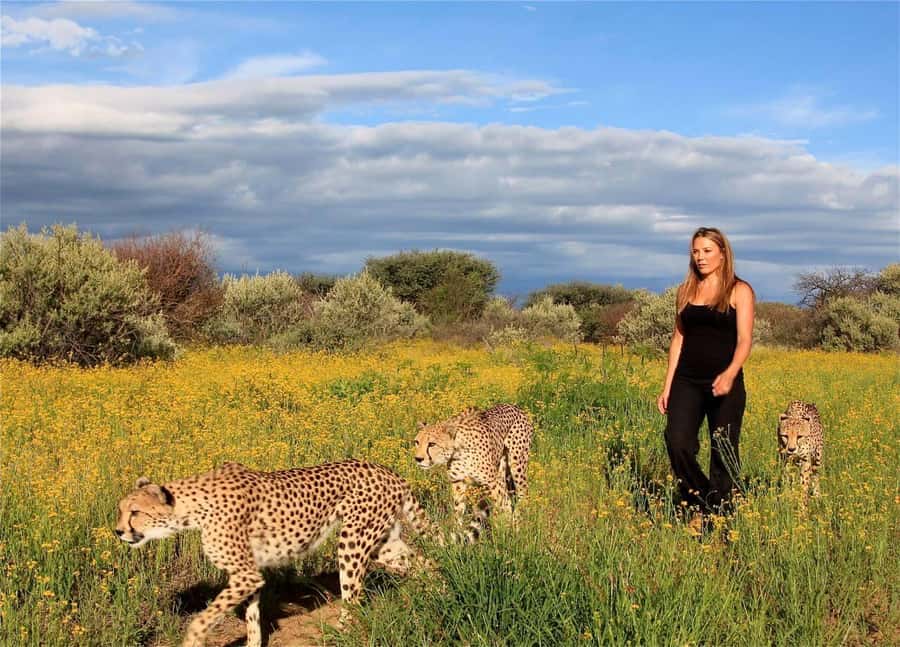
Your day begins with pickup at either the Avani Windhoek Hotel & Casino or Hilton Windhoek. The departure time is scheduled for 08:30, with the return to Windhoek planned for around 14:00.
That gives you a six-hour outing, including the drive to and from N/a’an ku sê. The road journey is part of the experience, with open Namibian scenery and the possibility of seeing baboons or other animals along the route. Still, you should treat these sightings as a bonus, not as a promised safari.
The transport is particularly helpful if you are staying in central Windhoek and do not want to rent a car for a single day. You also avoid the work of navigating to the reserve yourself. Drinks are included during the tour, but lunch is not listed as part of the package. One account described the lunch as acceptable, so check the exact arrangements before you set out and carry anything you may need between meals.
The vehicle journey may matter more to some people than others. If you enjoy watching Namibia pass by and want an easy outing from the capital, the drive adds to the day. If you want the longest possible wildlife session, remember that some of your six hours are spent on the road.
Other Windhoek days worth booking alongside this:
- Windhoek: City and Township Tour
★ 4.8 · 430 reviews - Half-Day Windhoek City and Township Cultural Tour
★ 4.5 · 187 reviews - Windhoek: Bushman Walk with the San
★ 4.9 · 145 reviews
Arriving at N/a’an ku sê Lodge
The main stop is N/a’an ku sê Lodge, where the guided portion lasts about two and a half hours. The wider description gives a total tour time of roughly three to three and a half hours at the reserve, so the exact schedule may depend on the day’s operating arrangements.
The setting gives you a first look at N/a’an ku sê’s conservation work. This is not simply an animal display. The guide explains how individual creatures ended up at the sanctuary, giving the feeding session a human and practical side. You learn that these animals are connected to a rescue and care program, rather than being presented as ordinary zoo exhibits.
That context makes a difference. A cheetah feeding session can be exciting on its own, but the story behind the animal helps you understand why it is living at the sanctuary and what care may be needed. The same applies to caracals, leopards, wild dogs, and baboons. You are not only looking at an animal. You are hearing why it is there.
The experience is conducted in English. The guide handles the feeding and explains the animals at the same time, so you can expect a combination of observation and talk rather than a silent viewing period.
What the predator feeding session is really like
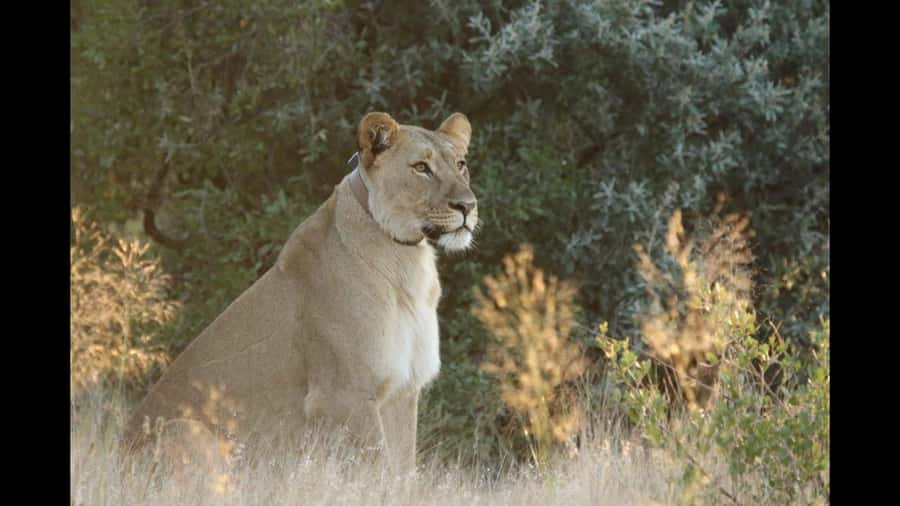
The feeding session is the center of the outing. Your guide feeds the animals while explaining their backgrounds and the sanctuary’s conservation work.
You may see cheetahs, caracals, African wild dogs, leopards, and baboons. The wording matters here: these animals are possible encounters, not a guaranteed checklist. Animal behavior is not fully predictable, even during a scheduled feeding, and the number of animals visible can vary.
A feeding tour also differs from a normal reserve drive. On a game drive, you search for animals moving through their surroundings. Here, the guide brings the animals into the viewing experience by feeding them. That makes the encounter more structured and can give you a clearer look, but it removes much of the surprise and tracking that define a safari.
One especially memorable detail from the experience is the chance to hear a cheetah purr. That is the sort of close animal sound you may not expect, and it can make the session feel more personal than simply spotting a predator at a distance.
The guide’s role is important. You need someone who can explain both the animal and the reason for its presence at the sanctuary. The available information does not provide the guide’s name, but it does make clear that the tour is led in English and that the guide conducts the feeding while telling the animals’ stories.
How the conservation message adds value
N/a’an ku sê’s purpose is a major part of the outing. You are introduced to its conservation efforts while seeing animals that require care and protection.
That mission gives the tour more substance than a simple animal encounter. You get a better idea of the difficult choices involved in caring for predators and other wildlife that cannot simply be treated like domestic animals. The guide’s explanations connect the individual animals to the sanctuary’s wider work.
For me, this is where the tour makes the strongest case for its price. If you want a quick photo opportunity only, $180 can feel steep. If you want your visit to support and explain a conservation project, the cost may feel more reasonable.
The experience also suits visitors with limited time in Namibia. Windhoek is often a starting point for longer trips, and you may not have time for a multi-day safari. This outing gives you a short introduction to several African predators without requiring an overnight stay.
At the same time, you should keep your expectations realistic. The phrase in their natural habitat can suggest a wild encounter, but this tour is based at a sanctuary and centers on feeding. You are seeing animals in a managed conservation setting, not watching a natural hunt or following tracks across a national park.
Same desert coast, a completely different day out:
- 6-Day Dunes and Wildlife Accommodated Safari from Windhoek
★ 5.0 · 123 reviews - Windhoek City Tour
★ 5.0 · 113 reviews - 10-Day Namibia Highlights Guided Tour from Windhoek
★ 5.0 · 78 reviews - 12 Day Classic Namibia Camping Safari
★ 5.0 · 77 reviews
The scenery between the city and the reserve
The route from Windhoek to N/a’an ku sê offers broad Namibian scenery and a change from the city. Keep your camera ready during the drive, since baboons and other animals may appear along the way.
The scenery is part of the appeal, but the supplied details do not promise a formal scenic stop or a separate sightseeing program. You should think of it as a pleasant setting for the transfer rather than a second tour.
That distinction helps with planning. If you want dramatic viewpoints, historical stops, or a long series of photo breaks, this may not be the right day trip. If you are happy to enjoy the view through the vehicle window while heading toward a wildlife experience, the route works well.
Bring a charged smartphone and a camera. You will want both for animal photos and for recording the details your guide shares. Drones are not allowed, and explosive substances are prohibited. The drone rule is worth noting if you are carrying camera equipment for a wider Namibia trip.
Group size, comfort, and the warm weather
The group is limited to five participants. That is a real advantage during a feeding session, since you are less likely to be lost behind a large crowd. A small group also makes it easier to ask about a particular animal or request clarification when the guide is speaking.
The outing may be uncomfortable for people who have mobility impairments. The experience is also not suitable for people with motion sickness. Those limits matter because the day includes road transport and a visit around a wildlife facility, where walking and standing may form part of the schedule.
Warm weather can also affect your enjoyment. A German visitor specifically described the tour as enjoyable despite very hot conditions. That is a useful warning rather than a complaint: take the heat seriously, drink the provided drinks, and bring sensible clothing for a Namibian morning that may become hot by midday.
The tour is not designed for a rushed in-and-out visit. You have a drive in both directions and a guided session lasting several hours. If you prefer air-conditioned museums or short city activities during hot weather, this may feel demanding. If you want an outdoor wildlife morning and can handle the heat, the pace should feel manageable.
Is $180 per person a fair price?
The price is $180 per person. That includes hotel pickup and drop-off in Windhoek, return transport, the N/a’an ku sê tour, and drinks.
It does not include anything outside those listed items. Lunch is not included in the formal inclusions, so do not assume that a meal is covered. One account found the lunch acceptable, but you should confirm whether it is available separately and budget for it if needed.
The value depends on what you compare it with. You are paying for a private-feeling small group, transport from Windhoek, access to a feeding session, and an explanation of the sanctuary’s work. You are not paying for a full-day safari, a large reserve drive, or a guaranteed list of animal sightings.
The price may feel worthwhile if you have only one free day in Windhoek and care about conservation. The hotel transfer saves time and removes the need to arrange a car. The five-person limit is also more comfortable than a large coach tour.
The price may feel less convincing if you mainly want a low-cost wildlife outing. A quiet feeding session, fewer visible animals, or a short stay at the reserve could leave you feeling that the day was expensive. One booking was rated as beautiful but costly, which neatly captures the main value question.
I would book it for the access and conservation explanation, not because I expect a classic safari. That is the fairest way to judge the cost.
Who will enjoy this day most?
This outing is a good fit for you if you:
- Have a short stay in Windhoek and want a wildlife experience without an overnight trip.
- Prefer a small group with an English-speaking guide.
- Want to learn how animals came to live at a sanctuary.
- Enjoy seeing predators at a managed feeding session.
- Value hotel pickup and return transport.
- Can manage warm weather and road travel comfortably.
You may want to skip it if you are looking specifically for animals roaming without human intervention. It may also disappoint you if your main goal is to photograph a wide range of wildlife in a completely open reserve.
Families and older visitors should think carefully about mobility and heat. The experience is not suitable for people with mobility impairments, and it is not recommended for people prone to motion sickness. The operator does not provide information here about a child age minimum, so families should confirm that detail before booking.
Practical tips for making the most of it
Start with a charged phone and a camera. The guide’s animal stories are central to the experience, and you may want to record a few notes as well as take pictures.
Wear clothing suited to warm outdoor conditions. The day can become hot, and the session takes place around animals rather than inside a city building. Drinks are included, but it is still sensible to ask what refreshments are provided and to plan for lunch separately.
Do not book this expecting a private wildlife encounter. The group is small, but other people may join you, up to the stated limit of five. The small size improves the experience, but it does not turn the session into a fully private tour.
Keep your schedule flexible around the return time. The planned arrival back in Windhoek is about 14:00, but road transport can take time. Avoid arranging a tight onward booking immediately afterward.
Cancellation is flexible up to 24 hours before the activity for a full refund, and you can reserve now and pay later. Those terms are useful when your Namibia plans are still shifting.
Should you book the N/a’an ku sê feeding tour?
Book this tour if you want a compact conservation-focused outing from Windhoek, especially if you value a small group and included hotel transport. The chance to see cheetahs, caracals, leopards, African wild dogs, and baboons, along with the story of how they reached the sanctuary, gives the morning a clear purpose.
Do not book it expecting a game drive. The animals are fed by the guide, and sightings can vary. At $180, the experience is best for someone who cares about the sanctuary’s work and wants a structured introduction to Namibia’s predators.
If that sounds like your kind of wildlife day, the tour is worth considering. If you want the lowest price or the freedom and uncertainty of a true safari, save your budget for a different outing.
FAQ
Where does the N/a’an ku sê feeding tour start?
Pickup is available from the Avani Windhoek Hotel & Casino or the Hilton Windhoek.
What time does the tour begin and end?
Pickup is scheduled for 08:30, and the return to Windhoek is planned for around 14:00. The full activity lasts about six hours.
How long is the guided session at N/a’an ku sê?
The itinerary gives a guided tour of about two and a half hours. The included information also describes the N/a’an ku sê portion as roughly three to three and a half hours.
Which animals might I see?
You may encounter baboons, caracals, cheetahs, African wild dogs, and leopards. The activity is a feeding tour, so sightings are not presented as guaranteed game-drive encounters.
Is this a game drive?
No. The guide feeds the animals and explains how they came to the sanctuary. You may also see other animals along the scenic route and in the reserve.
What is included in the $180 price?
The price includes Windhoek hotel pickup and drop-off, return transport, the N/a’an ku sê tour, and drinks during the tour. Other items are not included.
Is the tour offered in English?
Yes. The tour has a live English-speaking guide, and the group is limited to five participants.
Just added around Windhoek
- Windhoek: Katutura Township Tour with Local Guide★ 3.5 · 3 reviews
- Windhoek: City & Township tour. Vehicle, guide, kapana★ 4.2 · 4 reviews
- Predator Encounter: Half-Day Carnivore Feeding Windhoek★ 4.0 · 5 reviews
- Knight Vibes: Bars, Shebeen, Clubs Crawl Windhoek★ 5.0 · 3 reviews
- 3 Day Camping safari at Sossusvlei★ 5.0 · 5 reviews
- Airport Transfers★ 5.0 · 5 reviews
- Discover the Routes of N/a’an ku sê.★ 4.0 · 6 reviews
- 3 Day Camping tour at Etosha National Park★ 5.0 · 5 reviews
Windhoek Tours, compared.
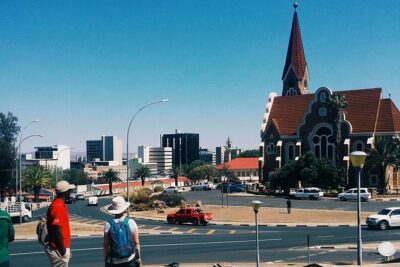
Half-Day Windhoek City and Township Cultural Tour
Read our review →
6-Day Dunes and Wildlife Accommodated Safari from Windhoek
Read our review →
10-Day Namibia Highlights Guided Tour from Windhoek
Read our review →
Browse the lists this tour appears in