
Reviewed · WINDHOEK TOWNSHIP TOURS
Katutura – Classic Township Experience
Katutura is not a staged cultural show. It is a working township with a painful past, busy streets, local projects, and plenty of ordinary daily life. This private tour connects the former Old Location with present-day Katutura, then finishes with street food at Oshetu Market in Single Quarters.
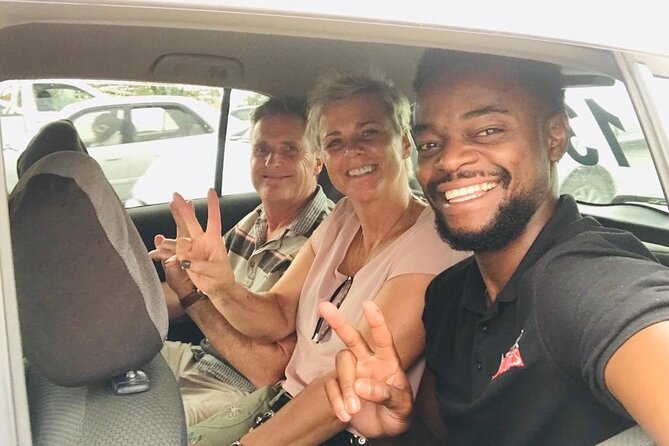
I like the way the tour joins history to real neighborhoods, rather than treating Katutura as a photo stop. I also like the small-group format, with local guides such as Linda and Andrew able to adjust the pace and answer personal questions.
The main thing to consider is that this is an informal community visit, not a polished sightseeing circuit. Conditions can change, and the exact stops may vary. If you want a tightly timed list of monuments, this may feel loose.
Key points at a glance
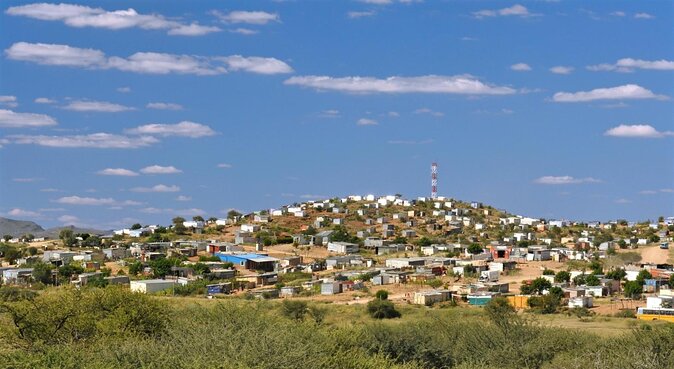
- Forced-removal history: See the former Old Location and learn why residents were moved north during apartheid in Namibia.
- Local guides: Linda and Andrew have led particularly well-regarded tours, including German-language guiding in at least one case.
- Oshetu Market finish: Taste snacks from local street-food stalls and walk through Single Quarters.
- Private setting: Your group travels together, allowing room for questions and requests.
- Grassroots contact: The route includes a social project, with possible additions such as a school, local bar, museum, or Penduka depending on the day.
- Good value at $40.65: Private transport, bottled water, and street-food snacks are included in a three to four-hour outing.
Why Katutura gives Windhoek more meaning
Central Windhoek can feel orderly and compact, with German colonial buildings, clean streets, and familiar tourist sights. Katutura shows another side of the capital, one shaped by racial separation, forced relocation, uneven development, and strong neighborhood ties.
The name Katutura is commonly translated in the tour material as the place no one wants to live. That phrase carries the weight of the area’s difficult beginnings. The township was created after people were pushed out of the Old Location, north of central Windhoek, under apartheid rule.
I value this setting because it prevents you from seeing Windhoek as only a pleasant city center. You get a clearer sense of how the capital grew, who was pushed aside, and how communities built lives in places they did not choose.
Still, you should approach the experience with care. Katutura is a home, not a display. Ask before taking photographs, listen to your guide, and avoid treating hardship as entertainment. The tour is strongest when you see it as a chance to learn and meet people respectfully.
More Windhoek Township Tours in Windhoek
- Windhoek: City and Township Tour
★ 4.8 · 430 reviews - Half-Day Windhoek City and Township Cultural Tour
★ 4.5 · 187 reviews - Windhoek: Katutura Township and City Walking Tour
★ 4.7 · 15 reviews
Starting near Christuskirche and moving by taxi
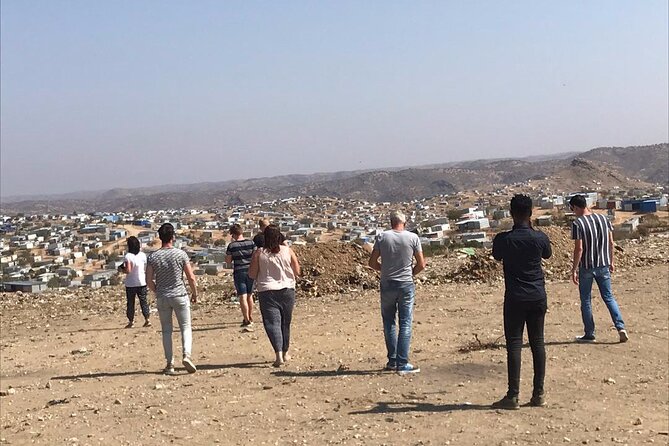
The listed meeting point is Christuskirche on Robert Mugabe Avenue, while the tour information also says guides meet at Craft Cafe before the first short taxi ride. Confirm the precise meeting spot when you book, especially if you are making your own way across central Windhoek.
The opening transfer takes about 20 minutes and heads toward Pioneers Park, described as the previous settlement location. Private transportation keeps the outing simple. You are not working out a series of local connections or trying to find the township on your own.
The start also gives your guide time to explain the route. If you have questions about Windhoek’s neighborhoods, ask early. The private format means you are not competing with a large group for answers.
The meeting point is also the end point. That matters if you have dinner plans, a separate transfer, or a hotel pickup arranged for later. Pickup is offered, but the supplied information does not specify every pickup area, so confirm that detail before setting your schedule.
Pioneers Park and the former Old Location
The Pioneers Park stop is brief, about 20 minutes, and there is no admission charge. Its importance is not a collection of grand buildings. The value comes from understanding what happened to the people who once lived in the former Old Location.
You drive past the old settlement site and hear how residents were forced to relocate north during apartheid. This is the historical hinge of the entire outing. Without it, Katutura can look like just another Windhoek neighborhood. With it, the streets ahead carry a much clearer story.
Expect this part to be conversational rather than museum-like. The guide provides context as you travel, and the short stop keeps the tour moving toward present-day Katutura. If you prefer lengthy exhibits and formal displays, you may find this segment too quick.
Some routes have also included a museum and Christuskirche before reaching the township. The supplied route does not promise those additions every time, so treat them as possible extras rather than fixed stops.
Wanaheda and the changing face of Katutura
The tour then continues to Wanaheda, one of the areas associated with the newer settlement. The drive takes about an hour and passes through different parts of Katutura, showing changes in culture, housing, and development.
This is where the private format earns its keep. You can ask why one section looks different from another, pause for clarification, and connect the physical surroundings to the story you heard at the Old Location. The point is not to race from attraction to attraction. It is to see how a large township functions as a collection of communities.
A grassroots social project forms part of this section. That gives the tour a useful balance. You are not only looking at streets from a vehicle. You have a chance to learn about local work and community action.
The exact project is not named in the supplied details, so you should not book this expecting a particular organization or program. School visits, casual moments in local bars, and other social encounters may be possible, but they are not guaranteed. The guide’s local connections are part of the experience, yet the day remains dependent on availability and circumstance.
This openness can be a strength. It may lead to a more personal conversation than a fixed program allows. It can also mean the tour feels less predictable. I would choose it for contact and context, not for a perfectly controlled schedule.
Same desert coast, a completely different day out:
- Windhoek: Bushman Walk with the San
★ 4.9 · 145 reviews - 6-Day Dunes and Wildlife Accommodated Safari from Windhoek
★ 5.0 · 123 reviews - Windhoek City Tour
★ 5.0 · 113 reviews - 10-Day Namibia Highlights Guided Tour from Windhoek
★ 5.0 · 78 reviews
Oshetu Market in Single Quarters
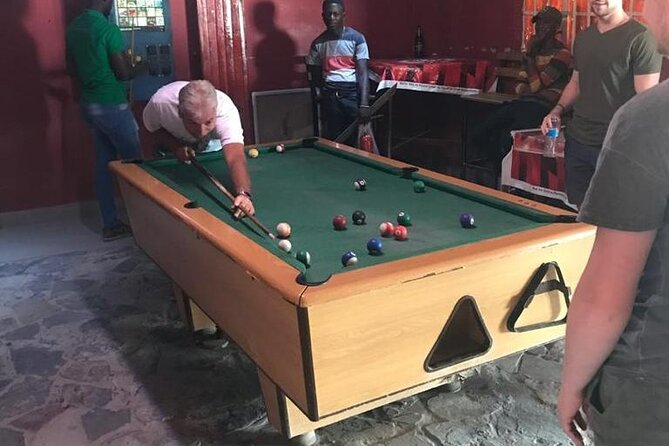
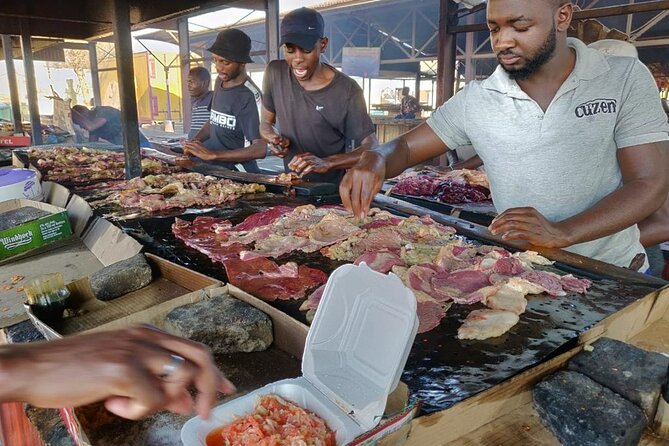
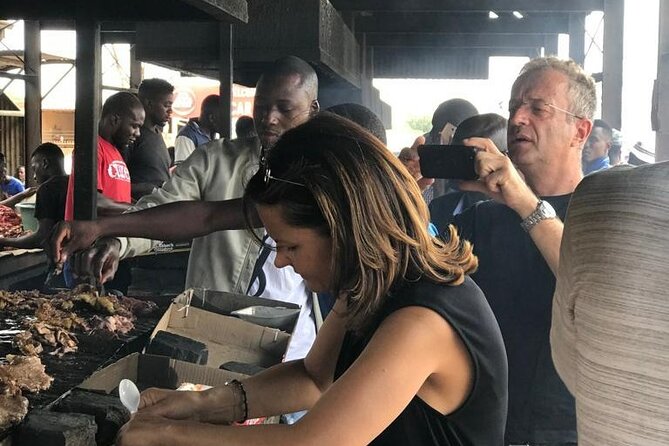
The final hour takes you to Oshetu Market in Single Quarters. This is the tour’s most sensory section, with food stalls, neighborhood movement, and a chance to walk through Katutura with your guide instead of simply passing through by car.
Snacks are included, and you can try a selection of street-food options. The material does not list each dish, so do not arrive expecting a specific menu. A food market is also a good place to tell your guide about allergies, dietary limits, or foods you prefer to avoid.
I like this ending because food gives you an easy way into local life. A conversation over a snack can feel more natural than a long formal explanation. You get to see what people buy and eat in an everyday setting, not a restaurant designed mainly for overseas visitors.
Alcoholic drinks are not included. That is worth remembering if you stop at a local bar as part of an informal addition to the route. The tour includes bottled water, which is practical in Windhoek’s dry climate, but you may still want to bring any extra drink you need.
The market is not presented as a sanitized attraction. Expect an active public setting, ordinary streets, and a less polished environment than central Windhoek. Keep your belongings secure, follow your guide’s lead, and ask before photographing people or stalls.
Linda, Andrew, and the value of a private guide
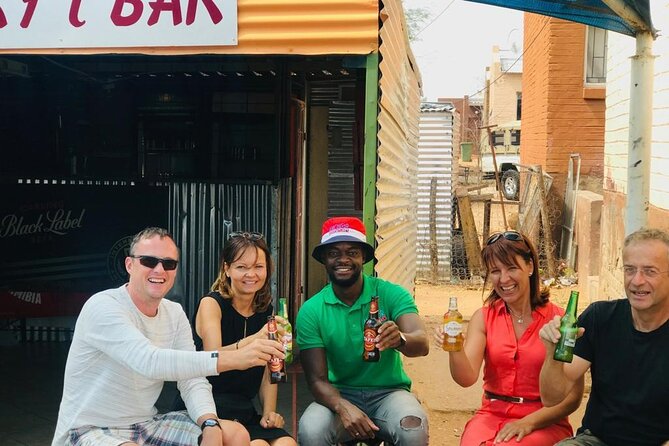
The strongest praise attached to this experience centers on the guides. Linda is singled out for combining history, architecture, and neighborhood life, while also adjusting the outing to suit personal interests. Andrew is also named as part of the guiding team.
One German-language account specifically praises a guide’s fluent German. Another describes Linda and Andrew as especially strong at answering questions, including questions from people who had already visited Namibia several times. If language matters to you, ask about the available guide before booking rather than assuming a particular language is guaranteed.
A private tour changes the tone. You can spend longer on a subject that interests you, request a slower walk, or ask for more explanation at a social project. The group size is limited to your own party, which also makes it easier to speak discreetly about difficult subjects.
The tradeoff is price. At $40.65 per person, the outing costs more than a large shared bus tour might cost, but you are paying for private transportation, local guiding, bottled water, snacks, and a three to four-hour route. For two or more people, I consider that a fair price for the time and flexibility.
The value is less about admission tickets, since the listed stops are free, and more about access and interpretation. A taxi ride and market visit are easy to arrange in theory. Understanding where you are, how the neighborhoods connect, and how to behave respectfully is harder to arrange without local help.
What the three to four hours feel like
This is a half-day experience, but the timing is not rigid. The first ride and Pioneers Park section take roughly 30 minutes together. Wanaheda receives about an hour, and Oshetu Market another hour, with driving and conversation filling the remaining time.
You should allow a little flexibility around the stated three to four hours. Community visits do not always run like museum appointments, and the private setting may encourage longer questions or an added stop.
The pace suits most people who can participate in a normal city outing. The information says most participants can take part and that public transportation is nearby. No special physical requirements are listed, but you should be comfortable with vehicle transfers, walking through market streets, and spending time outdoors.
This is not an adventure activity or a demanding hike. Its challenge is mainly emotional and cultural. You may hear about displacement and hardship, and you will see neighborhoods that differ sharply from central Windhoek. A thoughtful guide helps turn that contrast into understanding rather than pity.
Booking ahead and choosing your date

The experience is commonly booked about 21 days ahead. That is a useful planning signal if your Namibia route is fixed, especially if you want a particular guide or date.
Confirmation is normally sent at booking. If you reserve within one day of departure, confirmation comes as soon as possible and depends on availability. The tour requires suitable weather and a minimum number of participants. If weather or numbers force cancellation, you are offered another date or experience, or a full refund.
You can cancel for a full refund up to 24 hours before the start time. A cancellation made inside that 24-hour window is not refunded, and changes are not accepted during that period. The cut-off uses local Windhoek time, so check the clock carefully if you are booking from another country.
The activity ends at the meeting point. If you have an evening flight, bus, or restaurant reservation, leave enough room for the return rather than scheduling it tightly against the stated end time.
Who will get the most from this experience
I would choose this tour if you want Windhoek to make sense beyond its central sights. It suits first-time visitors who want a clear introduction to Namibia’s recent social history, as well as repeat visitors looking for places they cannot easily reach through a standard city route.
It is also a good fit for people who prefer conversation, food, and neighborhood life over formal sightseeing. The private setup works well for couples, families, and small groups with different interests.
You may want another option if you dislike unstructured visits, do not want to eat street food, or expect a long list of major monuments. The exact grassroots stop is not fixed, and additions such as a school, museum, bar, or Penduka craft visit should not be treated as certain.
Bring curiosity, patience, and a respectful camera habit. Wear practical clothes for walking and market conditions, keep water close, and tell the guide what subjects matter most to you. A few clear questions can turn a good route into a much more useful one.
Should you book the Katutura tour?
Book it if you want a personal look at Windhoek’s past and present, with a local guide to explain the move from the Old Location to Katutura and the daily life that followed. The mix of private transport, Wanaheda, a grassroots project, and Oshetu Market gives you more than a drive-by view.
At $40.65 per person, it is a sensible buy for a three to four-hour private experience that includes snacks and water. Just keep your expectations realistic: the route is informal, the exact community encounters can vary, and the subject deserves respect.
For a first visit to Windhoek, I would place this high on the list, especially if Linda, Andrew, or another local guide with strong language skills is available for your date.
FAQ
How long does the Katutura tour last?
The experience lasts approximately three to four hours, including transportation, the neighborhood visits, the grassroots project, and time at Oshetu Market.
How much does the tour cost?
The listed price is $40.65 per person.
Is this a private tour?
Yes. Only your group participates in the activity.
Where does the tour start?
The listed meeting point is Christuskirche at C3JP+VVQ, Robert Mugabe Avenue, Windhoek. The tour information also refers to meeting at Craft Cafe, so confirm the exact starting spot when booking.
Where does the tour finish?
The activity ends back at the meeting point.
What is included in the price?
Private transportation, bottled water, and snacks from a selection of street-food options are included.
Are alcoholic drinks included?
No. Alcoholic beverages are not included.
Can I cancel for a refund?
Yes. You can receive a full refund if you cancel at least 24 hours before the experience begins. Cancellations or changes made less than 24 hours before the start time are not accepted for a refund.
Just added around Windhoek
- Windhoek: Katutura Township Tour with Local Guide★ 3.5 · 3 reviews
- Windhoek: City & Township tour. Vehicle, guide, kapana★ 4.2 · 4 reviews
- Predator Encounter: Half-Day Carnivore Feeding Windhoek★ 4.0 · 5 reviews
- Knight Vibes: Bars, Shebeen, Clubs Crawl Windhoek★ 5.0 · 3 reviews
- Airport Transfers★ 5.0 · 5 reviews
- Discover the Routes of N/a’an ku sê.★ 4.0 · 6 reviews
- 3 Day Camping safari at Sossusvlei★ 5.0 · 5 reviews
- 3 Day Camping tour at Etosha National Park★ 5.0 · 5 reviews
Windhoek Township Tours, compared.
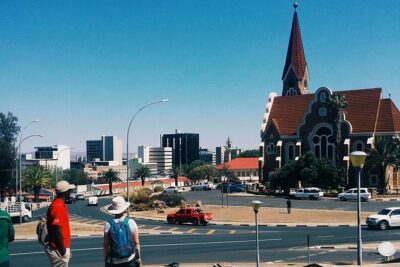
Half-Day Windhoek City and Township Cultural Tour
Read our review →
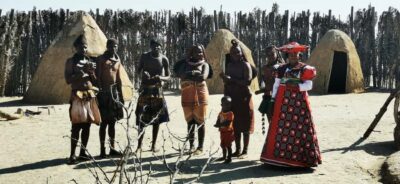
Katutura Tour – Experience Genuine Namibian Life
Read our review →
Swakopmund Best Cultural Historical Township Tours Namibia
Read our review →
Local Guided Walvisbay & Swakopmund Township Experience Day Tour
Read our review →Browse the lists this tour appears in