
Reviewed · SWAKOPMUND TOURS
Swakopmund: “UP CLOSE” Living Desert E-FatBike Tour
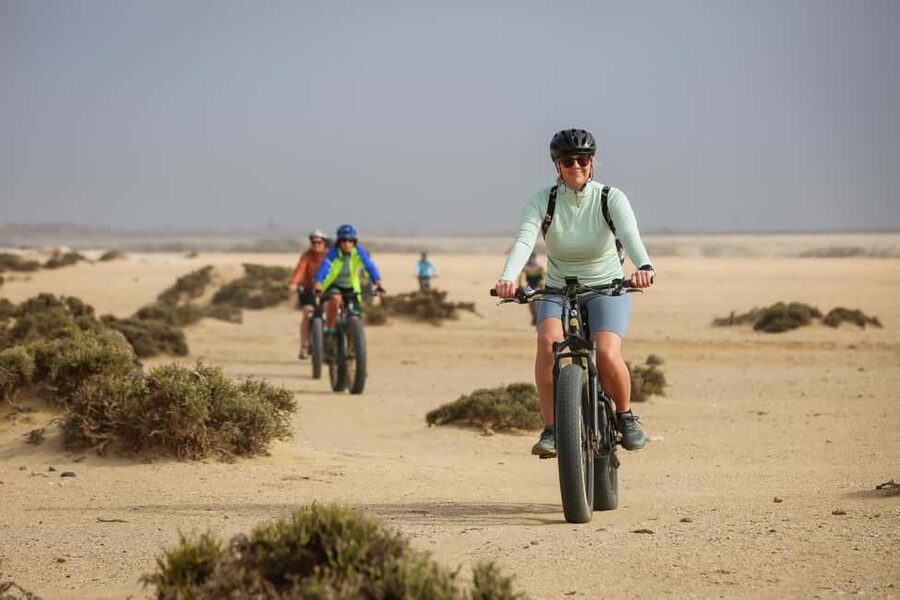
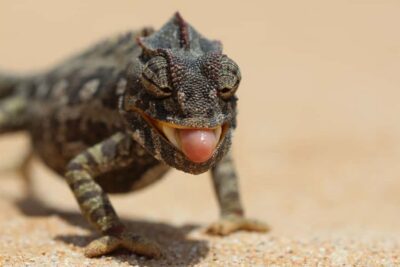
The best part of this tour is the chance to search for life that most people would simply pedal past. A careful guide may point out a chameleon, sand viper, gecko, slow worm, spider web, or hyena track in what first looks like bare sand. The quiet e-fatbike lets you get close without engine noise or fumes.
I like two things here: the ride gives you a real sense of the Namib’s size, and the guide can shape the outing around your interests. Hanjo, in particular, is praised for explaining plants, animals, geography, and animal welfare with real care. The main drawback is that heat can make the 3.5-hour ride tiring, so bring water and do not treat this as a completely effortless bike trip.
Key points at a glance
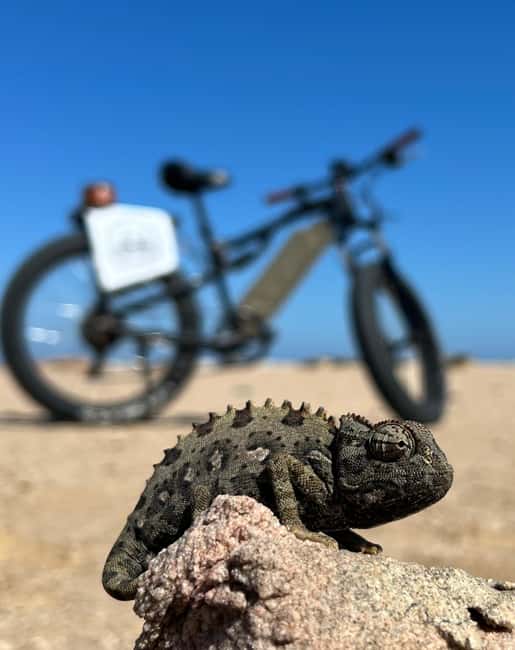
- Wildlife hiding in plain sight: Search for chameleons, snakes, geckos, slow worms, webs, tracks, and other signs of desert life.
- Four very different settings: Ride through Swakopmund, the Swakop River bed, gravel plains, dunes, and along the beach.
- A quiet way to explore: The e-fatbike produces no exhaust and little noise, helping you approach the desert without a motor vehicle.
- Guides who adapt the ride: Hanjo can spend more time on animals, plants, or dune riding, depending on your interests.
- A proper half-day outing: The tour lasts about 3.5 hours and includes the bike, helmet, guide, and a snack.
- Good for active families: It suits children aged 12 and older, though heat and soft sand still require reasonable stamina.
Why the Namib feels alive from an e-fatbike
From a vehicle, the Namib can look empty. On a fatbike, you move slowly enough to notice the clues. A faint track, a disturbed patch of sand, or a small shape blending into the ground can turn into the main event.
That is the appeal of the UP CLOSE approach. You are not just being driven to a viewpoint and shown a wide panorama. You take part in the search. The guide may stop often, examine the sand, and explain how a plant or animal manages in one of the world’s driest environments.
The e-fatbike is important here. Fat tires help with loose sand, while electric assistance makes the route manageable for people of average fitness. You still pedal, steer, climb, and work your way over dunes, but the motor takes the sting out of difficult sections.
I would not call this a passive sightseeing trip. One couple found it suitably strenuous, and another outing became especially tiring during an unusually hot day in Swakopmund. Your effort will depend on the weather, the sand, and how much time you spend riding the dunes.
More swakopmund living desert tours in Swakopmund:
- Living Desert Eco Dune Tour
★ 5.0 · 113 reviews - LIVING DESERT TOUR (Little 5 tour)
★ 5.0 · 7 reviews
Leaving Swakopmund for the Swakop River bed
The route takes you through the area around Swakopmund before following the Swakop River bed. This opening section helps you see how the town connects to the desert beyond it.
A river bed in a desert can be deceptive. It may not look like a flowing river at all, yet it creates a distinct corridor through the dry country. Here, the guide can explain the geography and point out plants that have adapted to the local conditions.
This is also a useful warm-up. You get time to become comfortable with the e-fatbike before tackling softer ground and dunes. If you have not ridden a fatbike before, pay attention to the guide’s instructions and let the bike do some of the work.
The ride is not simply about covering distance. Hanjo is known for stopping when he notices the smallest animal tracks. That pace can be rewarding if you enjoy natural history, but it may feel slow if you want nonstop cycling.
Gravel plains and the skill of spotting desert life
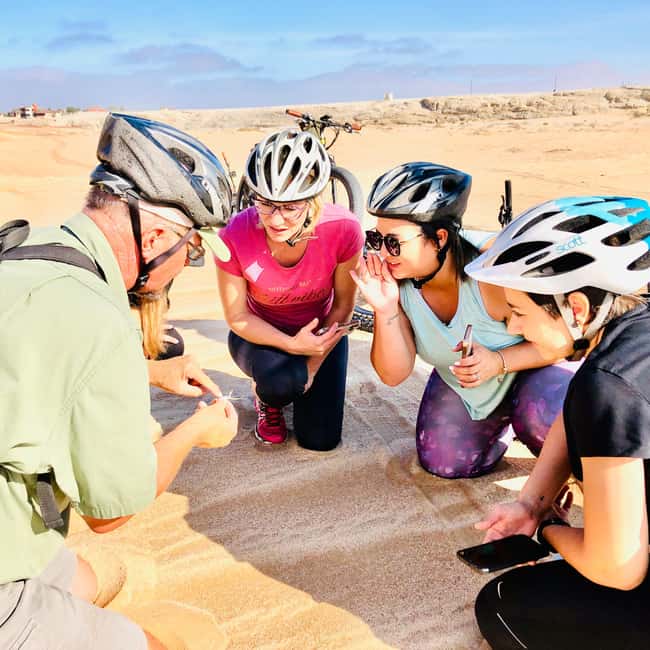
The gravel plains are where the guide’s eyes matter most. The ground may seem bare at first, but the tour is built around learning to read it.
You might see plant life that looks modest but plays a major role in this dry habitat. The guide explains the local flora and fauna rather than presenting the desert as an empty space. You can also learn how to distinguish a real animal sign from an ordinary mark in the sand.
Small creatures are the stars. Past sightings have included two sand vipers, a gecko, a slow worm, a spider web, and a chameleon. A hyena track has also been identified along the route. None of these sightings can be promised, and that uncertainty is part of the outing. You are looking for wild animals, not visiting a collection where every creature waits in a set place.
The chameleon is a particular prize. It can be extremely hard to see, even when the guide finds tracks or signs that suggest one is nearby. On one ride, the group found several promising traces but no chameleon. On another, the chameleon became the highlight of the morning.
That is a good reason to keep your expectations sensible. This tour offers expert searching, not guaranteed wildlife sightings. If you enjoy the process of noticing and learning, you will get more from it than if you only count animals.
The dune section brings the adventure
The dune ride changes the mood. After the quiet work of inspecting tracks and plants, you get the thrill of climbing and crossing Namibia’s famous dunes by bike.
The fat tires are made for this kind of surface, though soft sand still demands effort. The electric motor helps, but you will need to balance and steer. Some people will find this the most exciting part of the tour. Others may prefer the wildlife stops and find the dune riding the most tiring section.
I like the mix. The ride gives you both the physical pleasure of moving through the desert and the slower pleasure of stopping to study it. You are not stuck behind a window, and the bike lets you cover more ground than walking would allow.
Your guide can also adjust the balance. If you want more dune riding, say so. If plants and animals interest you more, the tour can give those subjects extra attention. This flexibility is especially useful for small groups. One outing with only two participants was shaped around their preferences.
Do not assume the electric assistance removes every challenge. Sand, sun, and time in the saddle still add up. Comfortable shoes are the stated requirement, but I would also choose footwear that feels secure while pedaling and standing on the bike.
Same desert coast, a completely different day out:
- Walvis Bay: Marine Big 5 Luxury Catamaran Tour
★ 4.8 · 1,012 reviews - Swakopmund: Desert Dunes Quad Biking with Optional Sandboard
★ 4.9 · 590 reviews - Walvis Bay and Sandwich Harbour Tour
★ 4.8 · 483 reviews - Scenic Sandwich Harbour Tour
★ 5.0 · 277 reviews
Along the beach, the desert meets the Atlantic
The route continues along the beach, adding a cooler and more open setting to the ride. After the dry river bed, gravel plains, and dunes, the coast gives you a sharp contrast.
This final section helps explain why Swakopmund is such a distinctive base for desert activities. The town sits beside a desert that reaches toward the Atlantic, and the tour shows several sides of that meeting point in a single morning or afternoon.
The beach section is not presented as a separate sightseeing stop with a long list of attractions. Its value is the change in scenery and riding surface. You get another way to experience the area before returning to town.
A 3.5-hour duration is well judged for this variety. It gives you enough time to ride, stop, look, and ask questions without turning the outing into a full-day commitment. Still, the length means you should plan around the heat and your energy level.
Hanjo’s guiding style matters
A strong guide is central to this experience. Hanjo is especially good at explaining the desert’s plants, animals, geography, and survival strategies in a friendly, engaged way.
His approach also appears careful around wildlife. He leaves nocturnal animals undisturbed rather than turning every sighting into a chase. At times, he may get off the bike and carefully uncover a small creature, then return it to its place. That kind of restraint matters in a fragile environment.
You should expect frequent pauses. The guide may follow tracks, inspect a web, or explain a plant instead of pushing straight to the next viewpoint. If you enjoy asking questions, this is a chance to shape the outing around subjects that interest you.
The tour is offered in English. If you want to focus on animals, plants, dunes, or geography, tell the guide early. The experience works best when you treat it as a shared search rather than a fixed ride at a set pace.
What the $65 price covers
At $65 per person, the price includes the e-fatbike, helmet, experienced guide, and a snack. That is a fair package for a guided outing lasting about 3.5 hours, especially because the bike is the main piece of equipment you would otherwise need to arrange.
The value is strongest if you want more than a rental. You are paying for the guide’s ability to interpret the desert and locate signs of life, not just for time on two wheels. A standard bike ride could show you the dunes, but it would not necessarily teach you how to find a chameleon or recognize a hyena track.
Water is not included. You can buy it or fill a reusable bottle at the office. I would handle that before setting out, since the combination of sun, pedaling, and sand can make you thirsty quickly.
Transport to and from your accommodation is also not included. You need to make your own way to the starting point, so allow time for that when planning your day. The tour price is easier to judge if you already have a way to reach the office.
Who should book this ride
I would recommend it to active families with children aged 12 or older, couples, and solo visitors who want a close look at the Namib without sitting in a vehicle. It is also a good choice if you like natural history but want some physical activity mixed in.
You do not need to be a serious cyclist, based on the ride being manageable for people of average fitness. But you should be comfortable with several hours outdoors and some exertion. The electric motor helps, yet it does not make the outing weightless.
This is less suitable if you want a fast, uninterrupted ride. The guide may stop often, and wildlife sightings are unpredictable. You also need to be ready for the possibility that the heat will be harder than expected.
Small groups make the ride more appealing. When only two or three people are present, the guide can adapt the route and conversation more easily. A larger group might offer a different social feel, but the supplied information does not specify a standard group size, so ask when booking if that matters to you.
Practical preparation for the desert
Bring water, even though it is not included. You can fill a reusable bottle at the office or buy water there, but do not rely on the snack to replace proper hydration.
Wear comfortable shoes. You will be pedaling for much of the outing, and the terrain changes from river bed to gravel, dunes, and beach. A secure pair of shoes is more useful than casual footwear that slips easily.
Prepare for changing effort. The route is family-friendly for ages 12 and older, but the dune section and heat can make it strenuous. If the day is unusually hot, take the guide’s pace seriously and use the electric assistance wisely.
Also bring patience. The best sightings may take time. The guide could spend several minutes following tiny tracks before finding anything, and sometimes the search ends without a chameleon or another hoped-for animal.
Booking flexibility and the final choice
You can reserve a place and pay later, which helps if your Swakopmund plans are still shifting. Cancellation is allowed up to 24 hours in advance for a full refund, giving you some room to adjust your schedule.
I would book this tour if you want a hands-on desert outing that combines riding with careful wildlife searching. The strongest reasons are the quiet bike, the chance to learn from a guide such as Hanjo, and the variety of terrain packed into 3.5 hours.
I would choose another activity if you want guaranteed animal sightings, a very easy ride, or transport from your accommodation included. For everyone else, the $65 price is sensible, provided you bring water and accept that the Namib rewards patience more often than speed.
FAQ
How long is the Swakopmund e-fatbike tour?
The tour lasts approximately 3.5 hours.
What does the tour include?
The price includes an e-fatbike, helmet, experienced guide, and snack.
Is water provided?
Water is not included. You can buy water or fill a reusable water bottle at the office.
Is transport from my accommodation included?
No. Transport to and from your accommodation is not included.
What age is the tour suitable for?
The tour is not suitable for children under 12.
Can I cancel the tour and receive a refund?
Yes. You can cancel up to 24 hours in advance for a full refund. You can also reserve your place and pay later.
Just added around Swakopmund
- Walvis Bay Shore Excursion: Flamingos, Dune 7, Swakopmund★ 5.0 · 3 reviews
- Unforgettable Half Day Adventure, Explore Sandwich Harbour★ 5.0 · 3 reviews
- Swakopmund Explorer Township Tour in Mondesa with Nande the Township Local Guide★ 5.0 · 4 reviews
- Walvisbay Dune 7 and Swakopmund Town Half Day Guided Tour★ 4.0 · 4 reviews
- Half Day Swakopmund Cultural Historical Township Tour★ 5.0 · 4 reviews
- Spitzkoppe – Day Tour to the Spitzkoppe Mountain from Swakopmund★ 5.0 · 3 reviews
- Full-Day Tour in Namib Desert from Swakopmund, Namibia★ 5.0 · 3 reviews
- 2h30min Explorer Quad Bike Tour★ 5.0 · 6 reviews
Swakopmund Tours, compared.
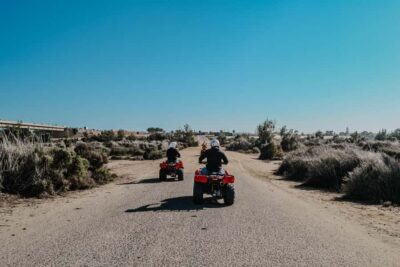
Desert Dunes Quad Biking with Optional Sandboard
Read our review →
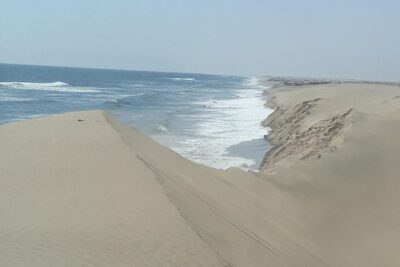
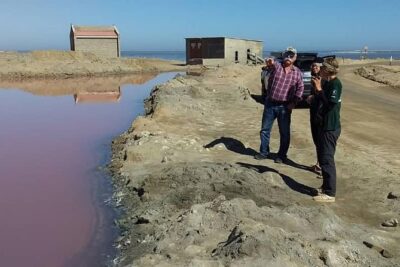
Sandwich Harbour Adventure: Seals and Sandwich harbour dune drive
Read our review →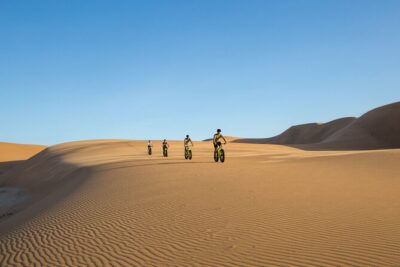

Browse the lists this tour appears in