
Reviewed · SOSSUSVLEI TOURS
9 Day Etosha, Skeleton Coast and Sossusvlei Camping and Lodge Safari
Namibia packs an astonishing amount into nine days: rhinos at Mount Etjo, wildlife around Etosha’s waterholes, Himba culture, foggy Atlantic beaches, a huge seal colony, Swakopmund adventures, and the red dunes of Sossusvlei. I especially like the wildlife-to-desert route and the mix of camping with lodge nights. You get Namibia’s big sights without paying for a fully private safari.
The main consideration is the pace. You cover long distances, rise early for game drives, set up camp, and spend many hours on rough or straight desert roads. I also like the guides’ practical role: people such as Kennedy, Taimi, Gregory, Gideon, Smithley and others have handled driving, cooking, camp work, and wildlife interpretation. Just remember that guide assignments can change, and drinks, snacks, sleeping bags, optional activities, and travel insurance cost extra.
Key things to know before booking
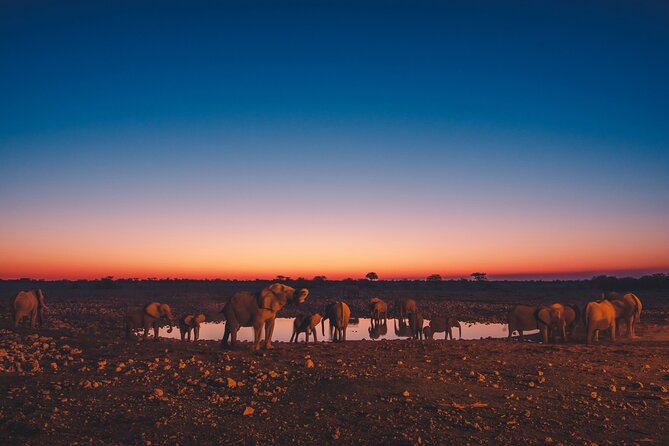
- Etosha is the wildlife heart of the trip: Sunrise drives, waterhole stops, and the floodlit waterhole at Okaukuejo give you several ways to look for elephant, rhino, lion, giraffe, hyena, birds, and other wildlife.
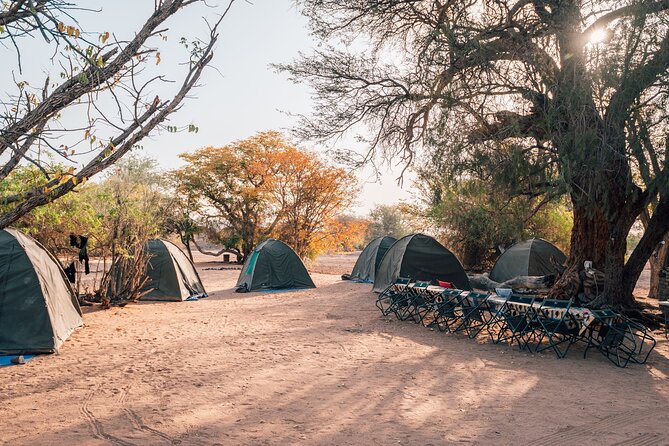
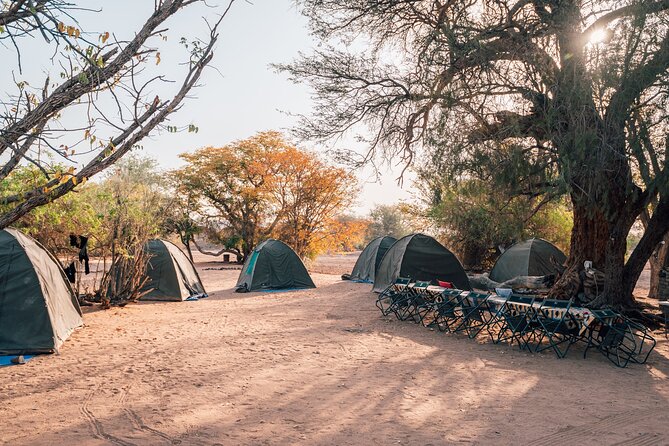
- Five nights under canvas keep the price reasonable: Camping equipment and meals are supplied, but you need to bring your own sleeping bag and accept basic outdoor routines.
- The route covers Namibia’s great visual contrasts: Expect open savanna, rocky desert, the misty Atlantic coast, salt flats, canyons, and towering Namib dunes.
- Swakopmund provides a useful comfort break: You sleep indoors and can pay separately for sandboarding, quad biking, skydiving, or a bicycle tour.
- The group is capped at 10 people: That is small enough to make the safari vehicle social without turning it into a large coach trip.
- The food is part of the experience: Guides prepare breakfasts, lunches, and dinners, often over an open fire. Smithley and Kennedy receive particular praise for their cooking.
Why this nine-day route works
This tour is designed as a fast introduction rather than a slow, specialist safari. You move from central Namibia north to Etosha, west to the Skeleton Coast, then south into the Namib Desert before returning to Windhoek.
That route makes good travel sense. Etosha gives you the best chance of repeated wildlife sightings, while the coast and Sossusvlei supply the scenery that makes Namibia so distinct. The Himba village adds a cultural stop, and Swakopmund breaks up the camping with a town stay.
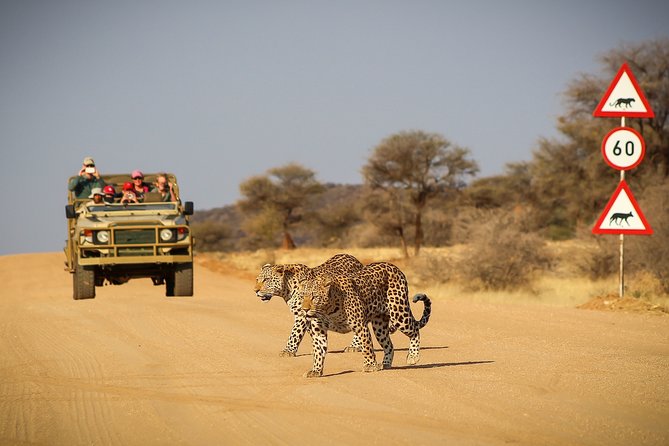
You travel in a custom-built safari vehicle with a pop-up roof. That matters in Etosha, where the raised view helps you scan waterholes and open plains. The maximum group size is 10, though the actual number can be smaller. Several people have described groups of six as especially comfortable, with room to spread out and get to know one another.
The starting point is Chameleon Safaris on Ferry Street in Windhoek, with departure at 7:00 am. Pickup and drop-off within Windhoek city limits are offered, as are return airport transfers. The final day arrives back in Windhoek in the early afternoon, but no flight should be planned for that day.
More Sossusvlei Tours in Windhoek
- 3 Day Sossusvlei Budget Camping Safari
★ 5.0 · 62 reviews - 7 Day Southern Namibia and Sossusvlei Camping Safari
★ 5.0 · 26 reviews - 4-Day Swakopmund And Sossusvlei Accommodated Adventure from Windhoek
★ 4.5 · 21 reviews
Day 1: Woodcarvers, rhinos, and Mount Etjo
The tour begins with a short briefing at Chameleon Backpackers before heading north. The first stop is the Okahandja Mbangura Woodcarvers Craft Market, where woodcarvers from across Namibia sell their work.
You get about an hour here, enough time to browse and practice polite bargaining. It is a better stop than a generic souvenir shop because your purchase supports local makers directly. Bring small notes if you plan to buy something, though the tour information does not promise any particular payment method.
Mount Etjo Game Reserve is the first major wildlife stop. Its conservation work includes efforts to protect Namibia’s black and white rhinos, giving the afternoon game drive a clear purpose beyond simply collecting animal sightings.
The plan is to arrive before lunch, set up camp, eat, and then head out in search of rhino. The day ends with a Namibian sunset in the reserve. This is a long first day, with the reserve portion lasting into the evening, so do not expect a gentle introduction to safari camping.
Day 2: Entering Etosha at Okaukuejo
After breakfast, the group pauses in Otjiwarongo to buy fresh supplies. Then you continue to Etosha National Park, one of southern Africa’s major wildlife areas.
The route into Okaukuejo becomes your first Etosha game drive. After setting up camp and eating lunch, you go back out in the afternoon, moving from waterhole to waterhole. This is the right way to approach Etosha. Rather than racing after one particular animal, you watch places where wildlife naturally gathers.
Possible sightings include predators, plains animals, birds, and reptiles. Nothing is guaranteed, but the waterhole system gives the day a useful rhythm and several chances to see something special.
After sunset, return to camp for a meal prepared by your guide over an open fire. Then visit Okaukuejo’s floodlit waterhole. This is one of the most valuable inclusions in the whole trip because you can watch after-dark animal activity without booking a separate excursion. Rhino, elephant, giraffe, lion, and hyena are regular possibilities at the waterhole.
Day 3: Etosha Pan and a full day of wildlife
Day three begins at sunrise, when predators may still be active. You visit several waterholes and stop for breakfast at a fenced picnic area inside the park.
The route then reaches Etosha Pan, a vast saline desert covering about 4,500 square kilometres. The white expanse is a sharp change from the game-viewing areas, and you can leave the vehicle to experience it on foot. This is a place for scale and silence rather than close animal encounters.
Afterward, the vehicle continues toward Halali, the central camp. You can use the pool, visit the waterhole, and eat lunch before the afternoon drive back toward Okaukuejo.
This is an excellent day for anyone who wants repeated time in the park, but it is also tiring. You spend much of the day seated in the safari vehicle, with brief stops for meals, the pan, and camp facilities. A hat, sunscreen, water bottle, and light clothing are practical essentials.
Your final night camping in Etosha ends with another chance to visit the floodlit waterhole. I would treat this as a must-do rather than an optional extra. The animal activity can change from one evening to the next.
Same desert coast, a completely different day out:
- Windhoek: City and Township Tour
★ 4.8 · 430 reviews - Half-Day Windhoek City and Township Cultural Tour
★ 4.5 · 187 reviews - Windhoek: Bushman Walk with the San
★ 4.9 · 145 reviews - 6-Day Dunes and Wildlife Accommodated Safari from Windhoek
★ 5.0 · 123 reviews
Day 4: A Himba village and the road west
The last Etosha drive takes place early, with breakfast during sunrise before leaving the park. The timing is worthwhile because the cooler morning can be productive for wildlife.
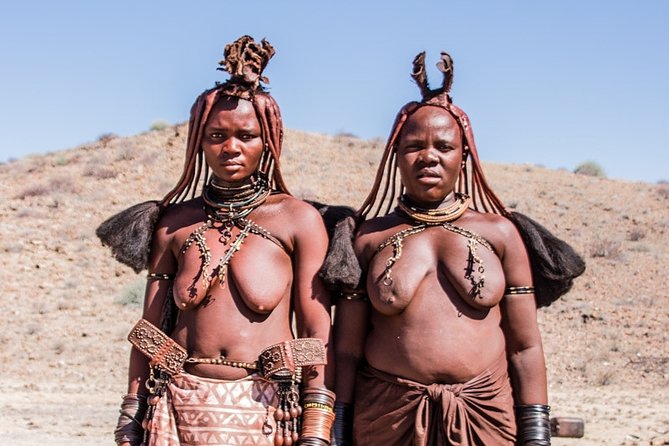
The cultural center of the day is Otjikandero Himba Orphan Village. A guided visit explains Himba customs and daily life, and the stated aim is to create an exchange rather than a one-sided display. You have time to ask questions and share something about your own culture.
Approach this visit with courtesy. Listen first, ask before taking photographs, and remember that this is a community experience, not a stage show. The stop lasts about two hours, enough for an introduction but not enough to explain every part of Himba society.
You then continue to Palmwag Campsite. There is time to relax, set up camp, and possibly look for desert-adapted elephants. The possibility of seeing them is exciting, but it is clearly not a promise. Dinner is again prepared by the guide over an open fire.
Day 5: The remote Skeleton Coast
The road turns west into Skeleton Coast National Park and continues toward Cape Cross. This is one of the tour’s most unusual days.
The coast is known for fog, rough seas, unpredictable currents, and shipwrecks. It feels harsh and spare, with the Atlantic pressing against desert. The appeal is not a long list of attractions. It is the strange meeting of ocean and dry country, plus the stories carried by wrecks along the shore.
You reach Cape Cross late in the afternoon, set up camp, and have time to watch the sun over the Atlantic. The coastal climate can be cool and damp compared with the desert interior, so pack a warm layer where you can reach it easily. Sleeping beside the coast is a memorable part of the trip, but it is also one of the less comfortable camping nights.
Dinner comes from the guide’s outdoor kitchen. At this point, the routine should feel familiar: help with camp if needed, eat together, and keep personal items organized in the vehicle.
Day 6: Seals, a shipwreck, and Swakopmund
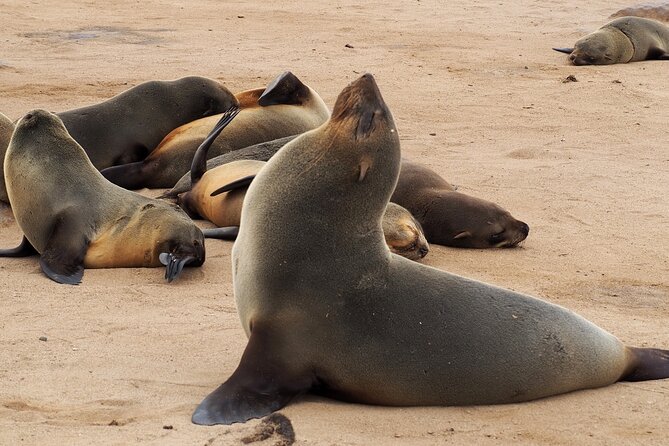
After breakfast, walk to Cape Cross Seal Reserve. The colony is one of the world’s largest breeding areas for Cape fur seals. During the November and December breeding season, more than 200,000 seals may be present.
This is a powerful wildlife stop, though the smell is intense. That is not a small detail. The colony is loud, crowded, and very much alive, so bring a handkerchief or scarf if strong odors bother you. You have about an hour at the reserve.
The next coastal sight is the Zeila Shipwreck, a more recent casualty from 2007. It gives you a close, simple reminder of why this stretch of coast has such a severe reputation.
You reach Swakopmund in the early afternoon. After several nights outside, an indoor room and a town with restaurants feel like a real reset. You can walk around independently, book an activity, or simply enjoy a slower evening.
Dinner is not included in Swakopmund. That is a modest extra cost, but it also gives you a chance to choose your own meal. Guides can recommend or book a restaurant.
Day 7: Swakopmund choices and the Namib Desert
The morning is free until the group leaves at 11:30 am. This is the most flexible part of the tour, but optional activities are not included in the price.
You might choose sandboarding, quad biking, skydiving, or a bicycle tour through Swakopmund’s old city. The choices suit different energy levels, though the schedule means you should confirm the activity timing before paying. If you prefer not to spend more, use the morning to walk around town.
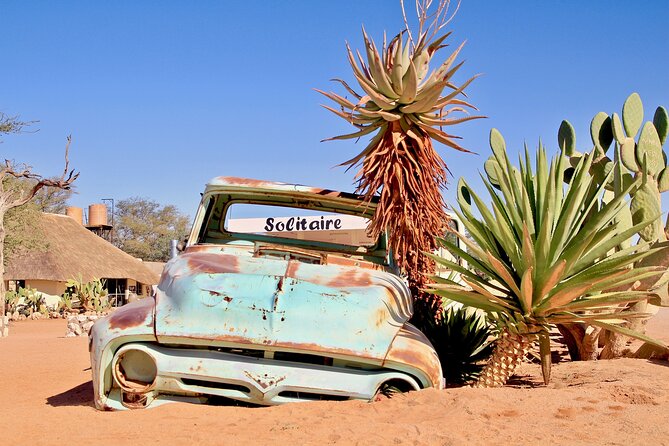
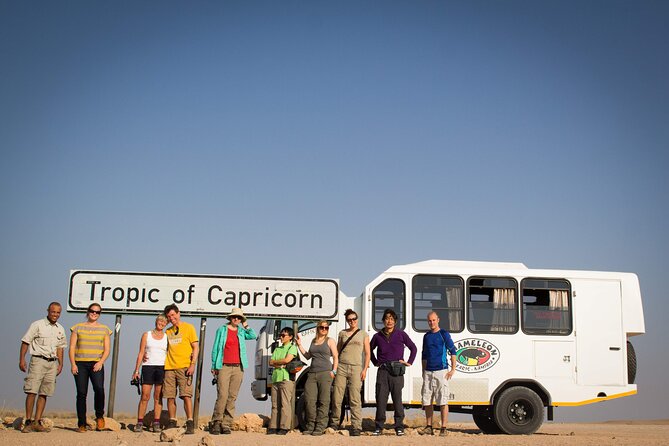
The road south includes a photo stop at the Tropic of Capricorn sign and a break at Solitaire for a restroom stop, drink, or snack. Solitaire is also visited on the final day, so you will see this remote desert stop twice.
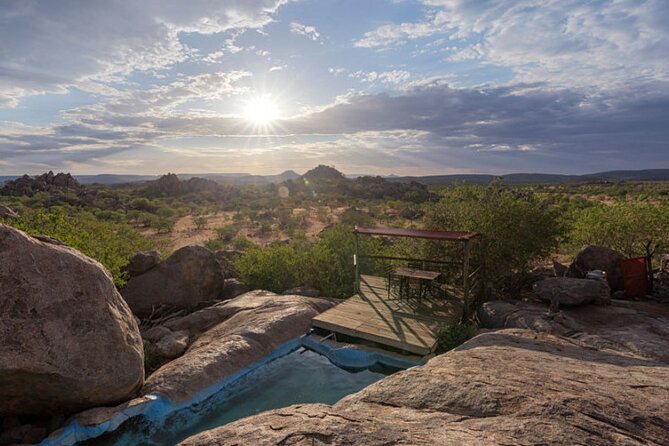
By late afternoon, you arrive at Desert Camp. Here you settle into accommodation rather than putting up a tent, then walk out for sunset. The evening meal is prepared by the guide. This is a welcome change after the coast and Etosha camping nights.
Day 8: Deadvlei, Sossusvlei, and Dune 45
Day eight is the visual high point for many people. You begin at the 4×4 parking area and continue to Deadvlei, where you explore on foot.
The walk is an important part of the experience. The white clay floor, dark dead trees, and surrounding dunes create a scene that looks almost unreal, but reaching the best viewpoints requires physical effort. The tour asks for a moderate fitness level, and this is where that matters most.
After Deadvlei, continue to Sossusvlei for brunch. Then stop at Dune 45 on the way out for photographs. You do not need to climb every dune to appreciate the colors and curves, but the heat, sand, and walking can make the morning demanding.
The final stop is Sesriem Canyon, a smaller formation with importance as a water source for local wildlife. It offers a change from the huge dunes, with a more enclosed route and a closer look at the desert’s rock.
Pack water, sun protection, and sturdy footwear. Tap water is supplied on the tour, but drinks and mineral water are not, so bring a refillable bottle and budget for any additional beverages.
Day 9: Cheetah conservation and Windhoek
The return journey includes an hour at the Solitaire Carnivore Conservation project, where you learn about cheetahs. This gives the final day a conservation focus rather than making it only a transfer back to town.
You then travel past the Naukluft Mountains and Rehoboth before arriving in Windhoek in the early afternoon. The tour ends at the original meeting point.
Because road delays or group timing can change the arrival hour, avoid scheduling a flight for this day. The included airport transfer is useful, but it does not turn the final day into a guaranteed flight connection.
Camping, meals, and what the price covers
At $2,568.47 per person, the tour sits between a bare-bones overland trip and a high-end private safari. You receive five camping nights, three nights of accommodation, camping equipment, transport, a professional English-speaking driver and guide, most meals, tap water, airport transfers, and the main park and cultural activities.
The value comes from the number of major destinations covered in nine days. Separate transport, park access, accommodation, and guides for Etosha, the Skeleton Coast, and Sossusvlei could quickly cost more, especially if you were arranging a private trip.
The compromise is personal choice. You follow a fixed route, eat what the group meal plan provides, and spend long stretches on the road. Sleeping bags are not included, nor are drinks, snacks, optional Swakopmund activities, or travel insurance.
The cooking deserves special notice. Several guides, especially Smithley and Kennedy, are praised for preparing fresh meals and making camp dinners social. That changes the feel of the trip. You are not simply being moved between hotels. The guide team drives, cooks, solves practical problems, and keeps the group moving.
Who should book this safari
I would choose this tour if you want Namibia’s major sights in one efficient trip and are comfortable with basic camping. It suits first-time safari campers particularly well because the equipment is supplied and the guides handle the main camp routine.
It is also a good match for solo bookers who want a small group, families with older children, and active adults who do not mind early starts. The tour requires moderate fitness, especially for Deadvlei, dune walking, and repeated camp setup.
I would hesitate if you want long stays in each destination, luxury lodges every night, or a strong chance to choose your own daily schedule. The route is full, and the long drives are part of the deal.
Guide quality is central to the experience. Names praised in past trips include Kennedy, Taimi, Gregory, Gideon, Smithley, Chimunya, Raymond, Johnny, Rudolf, Bronhil, Peter, and Tulimo. You cannot assume a particular guide will lead your departure, but the repeated attention to cooking, organization, humor, and care suggests that the guide team is a major part of Chameleon’s appeal.
Should you book the 9 Day Namibia Safari?
Book it if you want a broad, affordable introduction to Namibia and like the idea of trading hotel polish for open-fire dinners, wildlife drives, and a small camping group. Etosha, Cape Cross, and Sossusvlei give you three very different kinds of excitement, while Swakopmund supplies a needed pause.
Skip it if you dislike early mornings, shared routines, long drives, or non-refundable bookings. For the right person, this is a remarkably full nine days. Pack light, bring a sleeping bag, keep a warm layer handy for the coast, and save room in your budget for Swakopmund activities and personal drinks.
FAQ
Where does the tour start?
The tour starts at Chameleon Safaris on Ferry Street in Windhoek. Departure time is 7:00 am.
Where does the tour end?
The activity ends back at the original meeting point in Windhoek.
How long is the experience?
The tour lasts approximately nine days.
How many people can join the tour?
The maximum group size is 10 people.
Is pickup available?
Pickup and drop-off are offered within Windhoek city limits. Return airport transfers are also included.
How many nights are spent camping?
The package includes five nights of camping and three nights of accommodation, using twin-share arrangements.
Is camping equipment supplied?
Camping equipment is included, but you need to bring or rent your own sleeping bag.
Are meals included?
Breakfast is included on eight days, lunch on seven days, and dinner on seven days. Dinner in Swakopmund is at your own expense.
Are drinks included?
Tap water is included. Mineral water, soft drinks, alcohol, and other drinks are not included.
Are optional activities in Swakopmund included?
No. Activities such as sandboarding, quad biking, skydiving, and bicycle tours are optional and cost extra.
More Skeleton Coast Tours in Windhoek
- 7 Day Northern Namibia and Skeleton Coast Camping Safari
★ 5.0 · 19 reviews - Skeleton Coast Cape Cross Seal colony Tour
★ 4.0 · 11 reviews
More Etosha Safari Tours in Windhoek
- 6 Day Sand, Sea & Etosha Budget Camping Safari
★ 5.0 · 36 reviews - 4-Day Etosha And Swakopmund Accommodated Adventure from Windhoek
★ 4.5 · 19 reviews - Etosha Express Safari 3 Days / 2 Nights
★ 5.0 · 11 reviews - 3 Day Camping tour at Etosha National Park
★ 5.0 · 5 reviews
Just added around Windhoek
- Windhoek: Katutura Township Tour with Local Guide★ 3.5 · 3 reviews
- Windhoek: City & Township tour. Vehicle, guide, kapana★ 4.2 · 4 reviews
- Predator Encounter: Half-Day Carnivore Feeding Windhoek★ 4.0 · 5 reviews
- Knight Vibes: Bars, Shebeen, Clubs Crawl Windhoek★ 5.0 · 3 reviews
- 3 Day Camping safari at Sossusvlei★ 5.0 · 5 reviews
- Airport Transfers★ 5.0 · 5 reviews
- Discover the Routes of N/a’an ku sê.★ 4.0 · 6 reviews
- 3 Day Camping tour at Etosha National Park★ 5.0 · 5 reviews
Sossusvlei Tours, compared.
7 Day Southern Namibia and Sossusvlei Camping Safari
Read our review →
4-Day Swakopmund And Sossusvlei Accommodated Adventure from Windhoek
Read our review →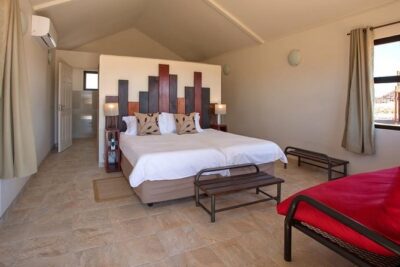
3-Day Sossusvlei Express Accommodated Safari from Swakopmund
Read our review →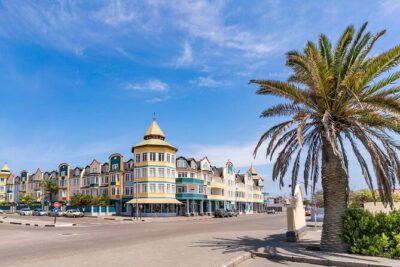
5-Day Sossusvlei & Sandwich Harbour Photography Tour
Read our review →
2 Day Scenic Sossusvlei Adventure Tour in Namibia
Read our review →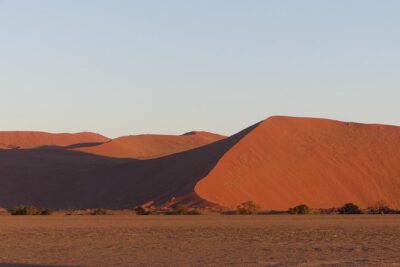
3 Days Amazing Red Dunes of Sossusvlei | Private Guided Tour
Read our review →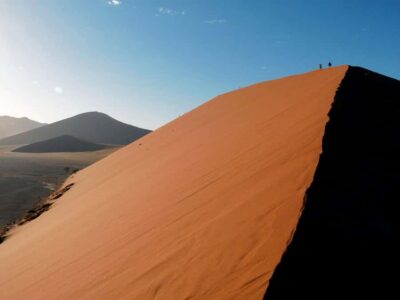
Browse the lists this tour appears in